
A common misconception in pet retail sourcing is that adding Bluetooth to a plastic dog dish magically transforms it into a high-margin goldmine. It doesn’t. In fact, raw smart pet fountain vs traditional water bowl market data reveals that while smart fountains command a 45% to 60% gross margin compared to the razor-thin 10% of stainless steel bowls, the return rates on poorly engineered electronics can instantly wipe out those gains. For commercial operators and distributors, the choice isn’t just about modern aesthetics; it is a cold calculation of labor costs, hardware lifespan, and filtration integrity.
Take Sarah, the Chief Operating Officer of “Paws & Palms Resorts,” a high-end pet boarding franchise with 15 locations. Every morning, her staff spent hours scrubbing slimy, stagnant water bowls. She wanted to transition to smart fountains but feared delicate, over-engineered gadgets that would fail the moment a Great Dane bumped them. Her search led her straight to the factory floor to understand how these devices are actually built.
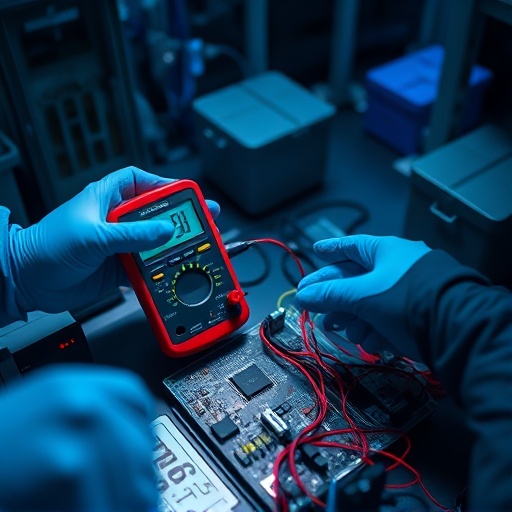
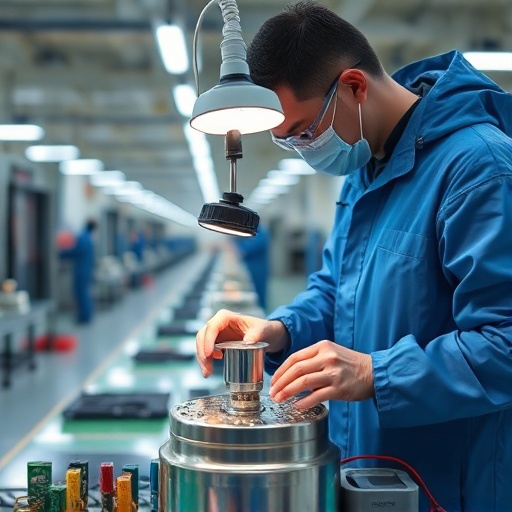
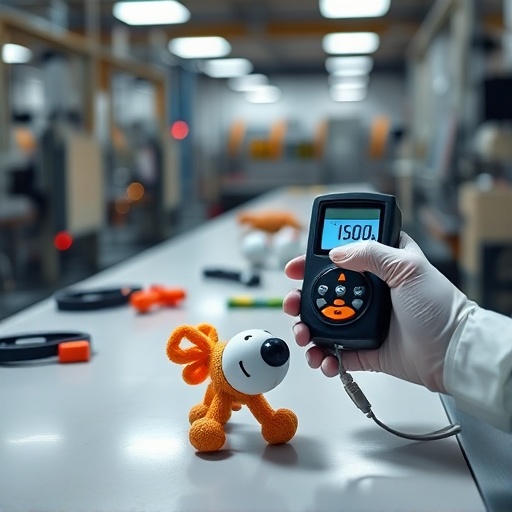
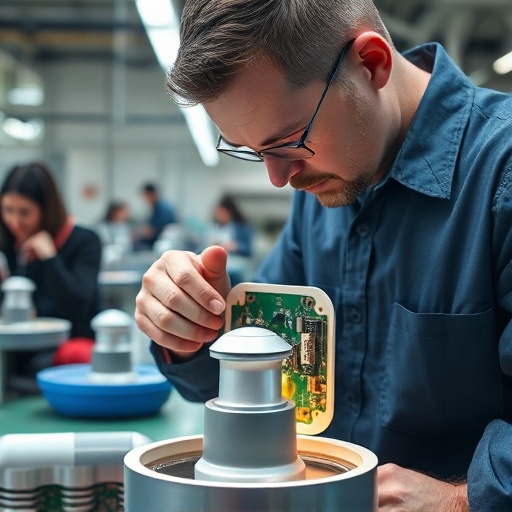
Step inside a high-tier pet tech assembly line, and you are immediately hit by the sharp, sweet scent of heated ABS plastic and the warm ozone smell of curing conformal coatings. The air vibrates with the rhythmic, metallic *clank-hiss* of pneumatic press-fit machines stamping silicone gaskets into place. Along the far wall, a testing rig hums constantly. Two hundred smart fountains run continuously in a wet-aging test, their water streams catching the harsh overhead fluorescent lights. This is where the difference between a cheap retail gimmick and a rugged commercial-grade appliance is decided.
Table of Contents
The Hard Data: Smart Pet Fountain vs Traditional Water Bowl
Let’s look at the hard numbers. Traditional stainless steel bowls are practically indestructible, but they are a stagnant product category. Market data shows flat to negative growth for basic bowls in commercial and premium residential sectors. Conversely, the smart pet water dispenser market is growing at an 11.4% CAGR heading into 2026. Buyers are shifting rapidly.
Why are brands abandoning the humble metal dish? It comes down to labor and water waste. Commercial kennels using smart fountains report a 20.8% to 34.5% improvement in pet hydration and a massive drop in manual cleaning hours. Stagnant water in traditional bowls invites biofilm. Dogs splash it. Cats ignore it. Continuous filtration solves this, but only if the hardware survives. To see how modern engineering transforms basic hydration into a high-margin product category, Explore DDPark Smart Pet Product Catalog.
Behind the Hardware: Engineering Failures and Fixes
Most smart fountains fail within six months. That is the dirty secret of the pet tech industry. When Sarah first tested off-the-shelf fountains, her main headache was pump failure. Within weeks, a high-pitched whine filled the kennels.
We dissected those failed pumps on our test benches. The culprit was a cheap ceramic shaft inside the impeller. Micro-particles of pet hair and kibble dust bypassed the basic foam filter, ground down the ceramic, and caused the impeller to wobble. Our solution was simple: replace them with brushless magnetic levitation pumps featuring polished stainless steel shafts. It cost a few cents more per unit but pushed the pump lifespan from 180 days to over three years of continuous operation.
Then there is the issue of moisture. Cheap factories skip conformal coating on the printed circuit boards (PCBs). Humidity rises. Condensation forms inside the housing. A cold solder joint cracks under the thermal stress of continuous running, and the unit dies. Personally, I think 90% of the companion apps on pet fountains are bloated garbage that consumers abandon after three days. What they actually want is a pump that does not quit and water that stays clean.
By 2025, smart OEMs began shifting to dual-core ESP32 chips. These chips allow the fountain to enter an ultra-low-power sleep mode. The pump only wakes up when an integrated infrared sensor detects a pet within 1.5 meters. This prevents dry-running when the reservoir is low, which is a primary cause of motor burnout.
Side-by-Side Comparison Matrix
Here is a direct comparison of how traditional bowls stack up against standard retail fountains and industrial-grade OEM builds.
| Feature / Metric | Traditional Stainless Steel Bowl | Standard Retail Smart Fountain | DDPark OEM Custom Solution |
|---|---|---|---|
| Average Lifespan | Indefinite (but scratches easily) | 6 to 12 Months | 3 to 5 Years (Industrial Grade) |
| Pump Technology | N/A | Standard AC Impeller Pump (Noisy) | Ultra-quiet Magnetic Levitation Pump |
| Sensor Integration | None | Continuous run (No sensors) | Dual-zone Infrared Sensor & Water Level Detector |
| Certifications | None (Often uncertified steel) | Basic CE | FDA, RoHS, CE, FCC Compliant |
| IoT Ecosystem Fit | None | Bluetooth only (Limited range) | Dual-core ESP32 Wi-Fi/BLE (Tuya Compatible) |
| Maintenance Interval | Daily manual washing | Every 3-5 days | Every 10-14 days (Triple-filtration) |
Pet Humanization and the IoT Pet Ecosystem
The pet humanization trend is real, but it is often misunderstood. Brand managers assume consumers want complex, multi-device ecosystems for everything. The truth is simpler: owners want peace of mind. They want to know their cat is drinking enough water to prevent urinary tract issues.
This brings us to a contrarian insight: the real money in this market isn’t in selling the smart fountain itself. It is the recurring margin on proprietary, multi-stage replacement filters. A consumer buys the hardware once, but they must buy your custom-molded triple-filtration cartridges every month to keep the warranty valid. When you design your OEM fountain, the filter housing geometry is your most valuable intellectual property.
Integrating these devices into a broader ecosystem is still valuable. When a smart fountain shares data with a smart feeder, the pet owner gets a complete view of their animal’s health. If water consumption drops, the app alerts the owner. It is a powerful selling point, but only if the hardware under the hood is reliable enough to keep generating accurate sensor data.
OEM Sourcing and Quality Assurance
Sourcing pet tech requires a healthy dose of skepticism. If an overseas supplier quotes you a price that seems too good to be true, it is because they are cutting corners where you can’t see. They might use non-food-grade ABS plastic that yellows under UV light or cheap recycled copper in the pump coils.
During a recent quality audit at our facility, I watched an engineer spend twenty minutes adjusting the sensor calibration on a single production line. He was testing how the infrared sensor responded to heavy condensation on the outer shell. A lesser factory would have boxed the units and shipped them. That meticulous calibration is what keeps your Amazon return rate below 2%. To ensure your brand’s reputation remains spotless, partnering with an experienced manufacturer is non-negotiable. DDPark 10+ Years Manufacturing Expertise ensures every batch meets strict international standards.
Do not risk your brand on unverified suppliers. If you are ready to develop a reliable, high-margin hydration product, Request a Free OEM Quote from DDPark today. Our engineering team will handle the technical complexities so you can focus on scaling your brand.
Frequently Asked Questions
Q: Are stainless steel bowls safer than plastic smart fountains?
A: Traditional plastic bowls can harbor bacteria in micro-scratches. However, premium smart fountains utilize food-grade stainless steel bowls or ABS plastics treated with antimicrobial coatings, backed by FDA and RoHS certifications, making them significantly cleaner than stagnant water bowls.
Q: How much power does a smart pet fountain consume?
A: Very little. Thanks to modern dual-core ESP32 chips and smart infrared sensors, the fountains remain in a low-power standby mode, consuming less than 1W of power, and only ramp up to 2-3W when actively pumping water for a pet.
Q: What is the minimum order quantity (MOQ) for custom OEM smart fountains?
A: DDPark supports growing brands with flexible, low MOQ options depending on the level of customization required for tooling, colors, and IoT firmware integration. Contact our team for specific project quotes.
Work with DDPark
Partner with an industry leader to design, manufacture, and scale your pet tech product line. We offer comprehensive OEM/ODM services tailored to your brand’s needs:
- Custom logo printing and bespoke retail packaging
- 100% functional aging tests before final shipment
- Stable Tuya/Smart Life app connectivity and custom firmware
- Low MOQ support for market-entry testing
Ready to Start Your OEM Order?
Contact our B2B team today for pricing, MOQ, and custom branding options.