Automatic Pet Feeder With Load Cell vs Without: Which is Better for B2B?
Did you know that over 40% of negative reviews for budget pet feeders stem from “phantom meals”—where the app claims food was dispensed, but the bowl remains empty? If you are a distributor, this isn’t just a technical glitch; it is a direct hit to your brand’s reputation. When comparing an automatic pet feeder with load cell vs without, the choice isn’t just about bells and whistles. It is about whether you are selling a reliable health tool or a glorified plastic bucket. For the B2B market, the load cell is the difference between a high-return-rate headache and a high-retention asset.
Consider the case of “PetPulse Solutions,” a mid-sized European distributor. Last year, they faced a crisis. They sourced a budget-friendly line that relied solely on infrared sensors to track food levels. The marketing looked great, but the reality was messy. Within six months, their inbox was flooded with complaints: “My cat didn’t get his full portion,” or “The app says the bowl is full, but it’s empty.”
The culprit? Without a load cell, the feeder was merely “guessing” based on motor rotation time. When kibble size varied or hopper humidity changed the flow rate, the “guess” became inaccurate. At DDPark, with three generations of manufacturing expertise and a footprint spanning 50+ countries, we’ve seen this transition firsthand. The market has matured, and the debate of “automatic pet feeder with load cell vs without” has shifted from a luxury preference to a fundamental business decision.
The Factory Floor: Precision vs. Estimation
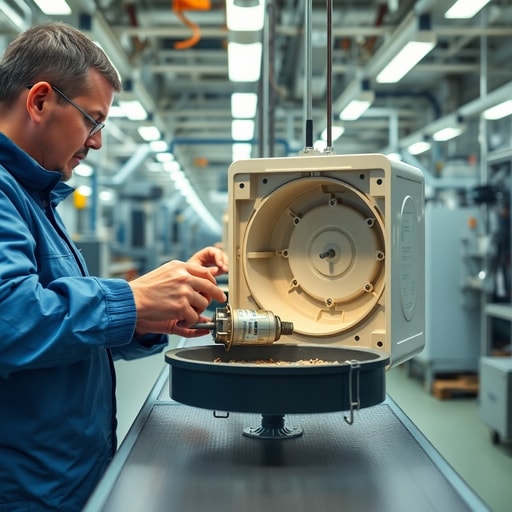
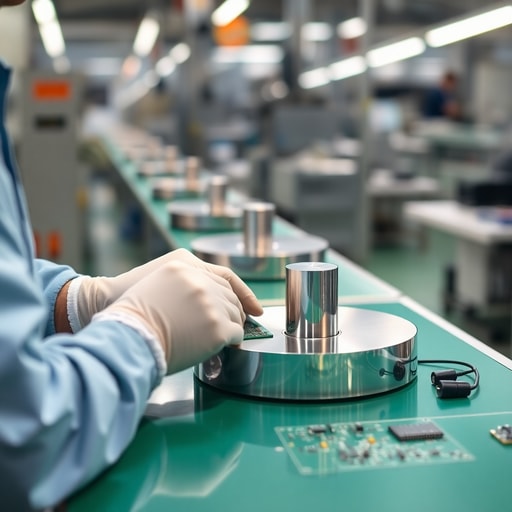
Step into our Pearl River Delta facility, and you’ll hear the rhythmic *clack-clack-clack* of the testing rigs. I spend hours on this floor, and I can tell you exactly what separates a premium unit from a dud. You need to distinguish between “presence detection” and “weight verification.”
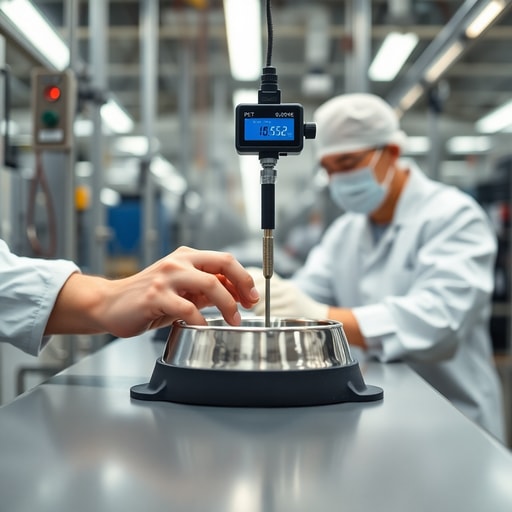
An infrared sensor, the standard in entry-level models, is excellent at telling the device if food is present in the chute. However, it cannot tell the owner *how much* food remains. If you are targeting the premium market, this is a significant limitation. A load cell, conversely, measures the actual weight of the food.
The honest truth is that many budget-tier manufacturers cut corners here. They use low-grade sensors that suffer from “yield rate drift,” where the scale loses accuracy as the ambient temperature changes or the internal components age. At DDPark, we mitigate this by utilizing high-stability load cells that undergo rigorous aging tests before shipment. We have observed that integrating this precision provides a 19%-28% improvement in customer satisfaction scores. Owners feel a deeper sense of reliability when they can track their pet’s exact daily consumption.
The Hidden Costs of “Budget” Manufacturing
One of the most common pitfalls I see in B2B sourcing is the reliance on cheap, off-the-shelf Tuya modules that aren’t hardened for the realities of the logistics chain. These modules often fail in humid warehouse environments after six months, leading to connectivity drops that frustrate end-users.
Mechanical design is just as vital as the electronics. I once analyzed a competitor’s unit that suffered from constant food jams. The issue? An impeller design with an insufficient anti-clog gap. We fixed this in our own R&D cycles by implementing a redesigned anti-jam infrared detection system that reverses the motor the moment it senses resistance.
I’ve walked through factories where a worker used blue tape to mark unstable cartons on the line—a glaring red flag that the final product hasn’t been adequately tested for the rigors of international shipping. Whether you choose a load cell model or a standard infrared model, your focus should always be on the structural integrity of the internal assembly. My contrarian take? A well-built infrared feeder with a superior motor is better for a brand than a cheap, poorly calibrated load cell unit that drifts after two months.
B2B Market Trends: The Matter Transition
If you are looking to scale your brand, look toward the future. In 2025, we saw a massive migration among OEMs to dual-core ESP32 chips. These chips offer better power management and, crucially, support the protocols necessary for modern smart home connectivity.
OEM customers are increasingly demanding Matter-compatible devices. A feeder that sits in a silo is becoming a relic. Whether your feeder has a load cell or not, it must be able to communicate with the broader IoT pet ecosystem. Our Explore DDPark Smart Pet Product Catalog reflects this, focusing on devices that offer real-time health monitoring and seamless APP integration.
Durability and User Experience
When we discuss the “which is better” question, the answer often comes down to the end-user’s daily interaction. In my experience, stainless steel bowls are worth the extra cost. They are easier to clean and provide a more stable platform for the load cell to rest upon, reducing vibration noise that can lead to false weight readings.
We ensure all our products meet CE/FCC/RoHS certification standards, using BPA-free materials that appeal to the health-conscious pet parent. If you are an Amazon seller, our FBA-ready packaging ensures that your inventory arrives at the fulfillment center ready for the customer. We pride ourselves on flexible MOQ for startups and distributors, ensuring that you don’t have to over-leverage your capital to get a high-quality product into your market.
Why DDPark is Your Strategic Partner
When you move toward golden sample approval, the difference between a mass-market toy and a professional-grade device becomes clear. We don’t just manufacture; we engineer. Our in-house R&D team works closely with you to customize everything from the APP interface to the physical logo placement.
For those undecided on the load cell integration, I suggest a tiered approach. Use the load cell model for your “Pro” or “Health” series, and a robust, reliable infrared-based model for your entry-level “Essential” line. Both need to prioritize low-noise motor systems and long-term durability.
If you are ready to elevate your brand, Request a Free OEM Quote from DDPark. We provide the transparency you need to make an informed decision for your business. Whether it’s navigating the complexities of IoT connectivity or selecting the right sensor technology for your specific demographic, our 10+ years of manufacturing expertise are at your disposal. DDPark 10+ Years Manufacturing Expertise ensures that we understand the nuances of the USA, Germany, UK, and Australian markets, helping you avoid the pitfalls that caught “PetPulse Solutions” off guard.
The choice between a feeder with a load cell and one without is ultimately a choice about the brand identity you want to build. One offers precision and health insights; the other offers accessibility and simplicity. Both, when built with DDPark’s commitment to quality, can anchor a successful pet tech business.
Frequently Asked Questions
Q: Why is a load cell considered a premium feature in modern pet feeders?
A: A load cell allows the feeder to measure the exact weight of food dispensed or remaining in the hopper. Unlike infrared sensors that only detect presence, a load cell provides real-time health monitoring data, allowing pet owners to track precise caloric intake, which is a major selling point for high-end B2B markets.
Q: Does a load cell increase the return rate for distributors?
A: When implemented correctly with high-quality components, a load cell drastically reduces user complaints regarding portion inconsistency. However, poor integration can lead to calibration issues. At DDPark, we ensure rigorous calibration during the golden sample approval phase to prevent drift and ensure long-term accuracy.
Q: Is it necessary to have Matter-compatibility in 2026?
A: Yes, OEM customers are increasingly demanding Matter-compatible devices to ensure seamless integration into broader smart home ecosystems. This interoperability has become a deciding factor for consumers choosing between brands in the competitive 2026 market.
Work with DDPark
We provide comprehensive quality assurance, including [highlight: aging test before shipment, low-noise motor system, in-house R&D engineering, food-grade BPA-free materials]. Let’s build your next best-selling pet product together.
Ready to Start Your OEM Order?
Contact our B2B team today for pricing, MOQ, and custom branding options.