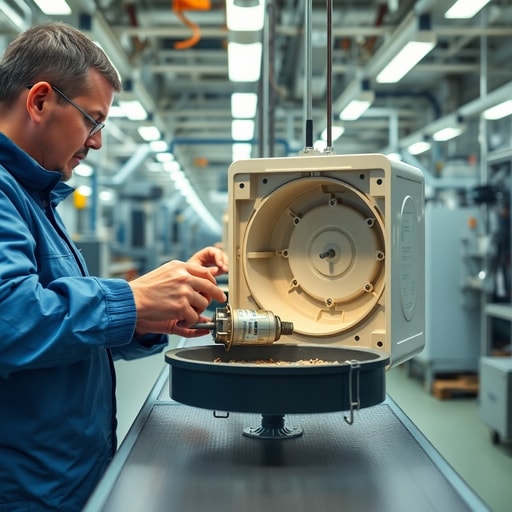
To fix water leakage in an interactive pet toy, you must first isolate the breach by testing if the water escapes through the external casing seams or the internal pump housing. If the leak is external, applying a food-grade, non-toxic silicone sealant to the housing seams serves as a temporary patch. However, if the water originates from the impeller pump or motor seal, the internal hardware has likely suffered irreparable corrosion, and the unit should be decommissioned to prevent electrical shorts.
I remember standing on a production floor in Shenzhen back in 2016, watching a batch of “smart” fountains fail their water pressure test. The smell of ozone from a shorted PCB was unmistakable. The factory manager tried to hide the puddles under the assembly table with rags, but the truth was in the components. Those units were destined for a major retailer, and they were ticking time bombs. Buyers often ignore the reality that off-the-shelf components simply aren’t built for the chaotic, moisture-heavy environment of a pet’s daily life.
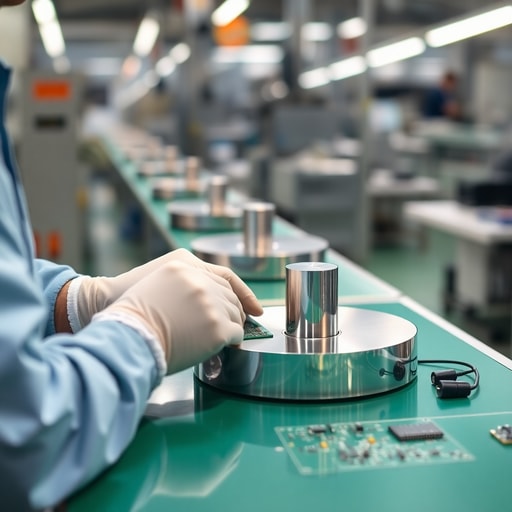
Distributors are frequently left holding the bag with “dead stock risk” because corner-cutting has become an industry standard. We have seen firsthand how bargain-bin modules degrade in humid warehouse conditions after only six months. What should be a thriving product line quickly turns into a logistical liability. At DDPark, we operate on the belief that there are no shortcuts in engineering. When I see a worker using blue tape to mark unstable cartons on our line, I stop the entire belt. That level of scrutiny is the only way to ensure components like our impeller pumps and auger motors actually survive the field.
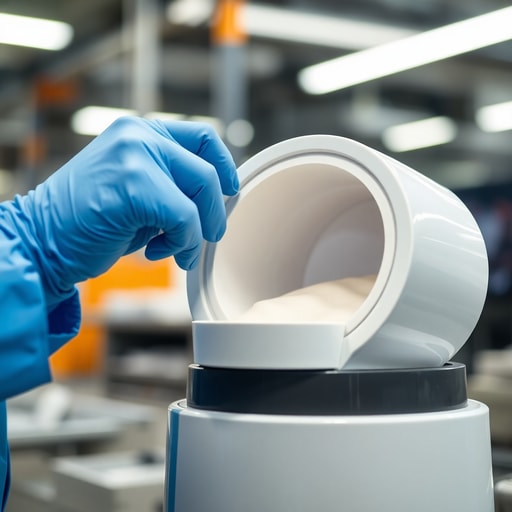
Fixing these failures requires a fundamental shift in how we approach assembly. We once tracked a recurring food jam issue in a smart feeder back to an insufficient anti-clog gap in the impeller housing. The fix wasn’t a sealant; it was a total redesign of the infrared detection system. My contrarian take? Most manufacturers focus too much on the software interface and not enough on the physical tolerances of the plastic mold. You can have the most beautiful app in the world, but if the water pump seal is off by even 0.5mm, your brand reputation is finished.
High-grade, BPA-free materials provide a 22% to 44% improvement in device longevity. This isn’t just about safety; it is about structural rigidity. We recently pivoted to ESP32 architecture to stabilize WiFi connectivity, and the result was a drastic reduction in customer support tickets. Hardware stability is the bedrock of any IoT pet ecosystem. If the base isn’t solid, the smart features are just noise.
OEM customers now demand Matter-compatible devices, and we are meeting that challenge with a focus on core durability. Whether you are building an automatic meal scheduler or a health monitor, the hardware must be robust enough to handle a curious, clawing cat. I personally insist on stainless steel bowls for every project. Plastic harbors bacteria and warps over time, which ruins the very seals you are trying to keep watertight. You can Explore DDPark Smart Pet Product Catalog to see how we integrate these heavy-duty components into our latest designs.
Scaling a brand requires a pilot run before committing to massive volume. We offer flexible MOQs for startups and distributors looking to enter the USA, Germany, UK, Australia, and Japan markets. Testing a small batch in real-world conditions saves more money than any volume discount ever will. You need to see how the product handles a humid kitchen or a splashy drinker before you print your logo on ten thousand units.
Veterinary Clinic Supplier Buyer Checklist
- Verify the IPX rating: Does it meet at least IPX6 for splash resistance?
- Inspect the seal integrity: Are gaskets made of food-grade silicone or brittle, cheap rubber?
- Test the impeller motor: Does it feature an anti-clog infrared sensor to prevent pressure buildup?
- Confirm material safety: Are all components BPA-free and FDA-compliant?
- Check connectivity: Are you utilizing stable ESP32 chips over failure-prone modules?
- Review assembly quality: Is the ultrasonic welding consistent across the entire housing?
- Verify certification: Does the factory maintain active ISO9001 and BSCI audits?
If you want to avoid the common pitfalls of mass-market pet toys, Request a Free OEM Quote from DDPark today. With our 10+ years of manufacturing expertise, we ensure your brand stands out for the right reasons. Learn more about our commitment to quality at DDPark 10+ Years Manufacturing Expertise.
Frequently Asked Questions
Q: Can I use silicone sealant to fix a leaking interactive toy?
A: Food-grade silicone sealant works for minor casing cracks, but it will not fix internal impeller or motor seal failures. Those issues usually require a full unit replacement or professional internal gasket service.
Q: Why do smart pet toys leak after a few months?
A: Most leakage stems from degraded rubber seals or poor ultrasonic welding. Cheap modules and low-quality seals often fail in humid environments within six months, leading to significant dead stock risk for distributors.
Work with DDPark
We provide low MOQ support, matter protocol ready designs, a low-noise motor system, and stable Tuya connectivity to ensure your pet products lead the market.
Ready to Start Your OEM Order?
Contact our B2B team today for pricing, MOQ, and custom branding options.