The best automatic litter box for a subscription box company is a unit engineered for “set-it-and-forget-it” reliability, prioritizing robust sensor arrays and stable firmware over aesthetic gimmicks. If you are building a recurring revenue model, your greatest enemy is not competition—it is the return shipping label. A single malfunctioning unit doesn’t just cost you a box; it destroys the lifetime value of a subscriber who will likely never trust your brand again. My firm stance, after 12 years in this industry, is that you should never sacrifice hardware integrity for a lower unit cost.
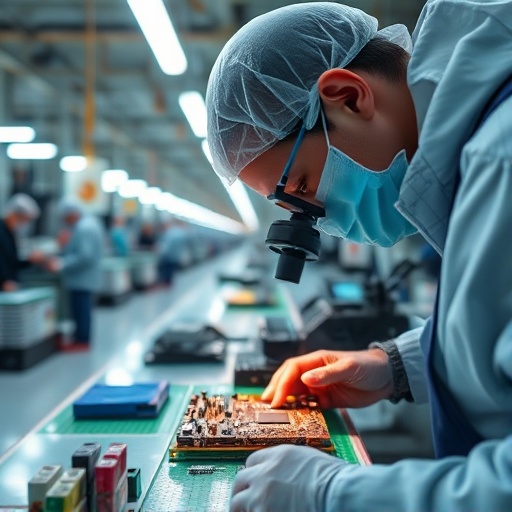
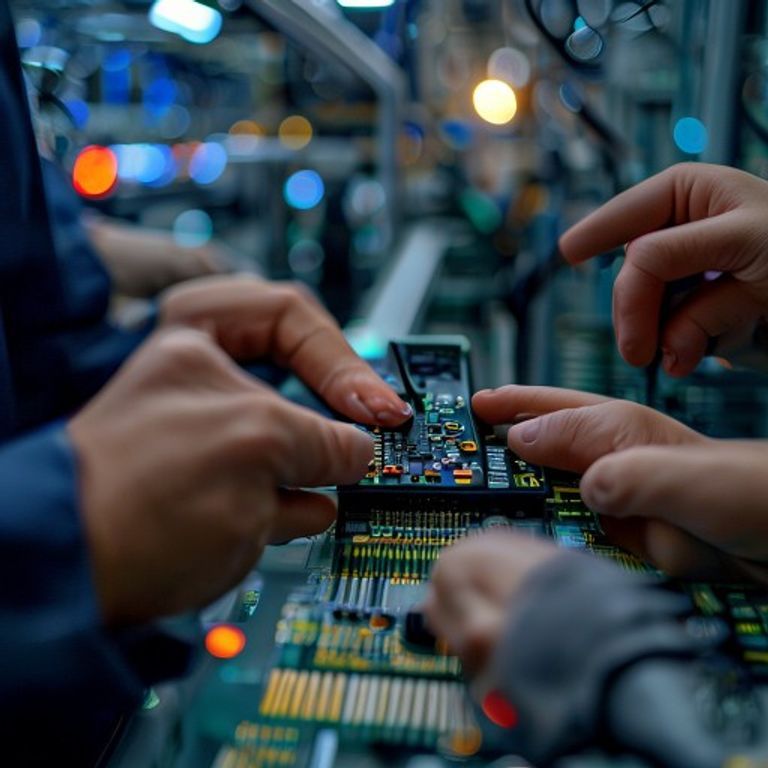
I remember standing on the assembly floor in Shenzhen three years ago, the air thick with the sharp, metallic scent of solder flux and the rhythmic *clack-hiss* of pneumatic presses. The factory manager handed me a prototype that looked beautiful—curved white plastic, soft LED ring, whisper-quiet motor. It was a marketer’s dream. But when we hooked it up to the stress-test rig, the infrared sensors started throwing “cat inside” errors every time the overhead factory lights flickered. That unit was a disaster waiting to happen. That afternoon taught me that a pretty box is a liability if the logic board underneath is flimsy.
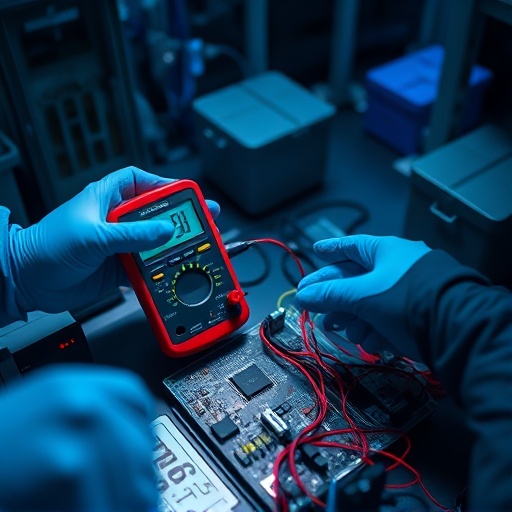
Subscription models demand a different breed of hardware. When a customer buys a one-off item, they might tolerate a glitch. When they pay a monthly fee, they expect utility. The “best” box for your model must feature an industrial-grade MCU (Microcontroller Unit) that handles OTA (Over-the-Air) updates without bricking the device. I’ve seen companies dump thousands into custom app development, only to have their user base abandon them because the litter box loses its WiFi connection every time the router reboots. If you aren’t auditing the PCB supplier, you are essentially gambling with your churn rate.
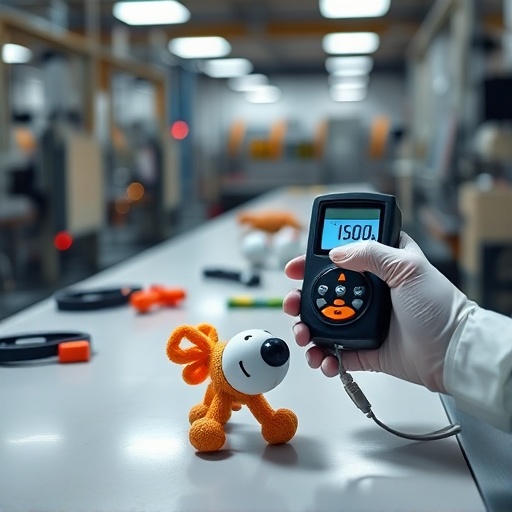
You need to look for hardware that utilizes high-precision infrared and weight-sensing technology calibrated for a wide margin of error. Lower-tier manufacturers use cheap sensors that drift as the plastic housing expands and contracts in different temperatures. At DDPark, we’ve moved exclusively to high-tolerance sensors that maintain accuracy regardless of ambient humidity or heat. This prevents the “ghost-trigger” issue—where the machine thinks a cat is inside when it isn’t—which is the number one cause of support tickets in the pet tech space. My contrarian take? Stop worrying about the motor’s decibel level. A slightly noisier motor that works every time is infinitely better than a silent motor that jams because of a weak gear-train.
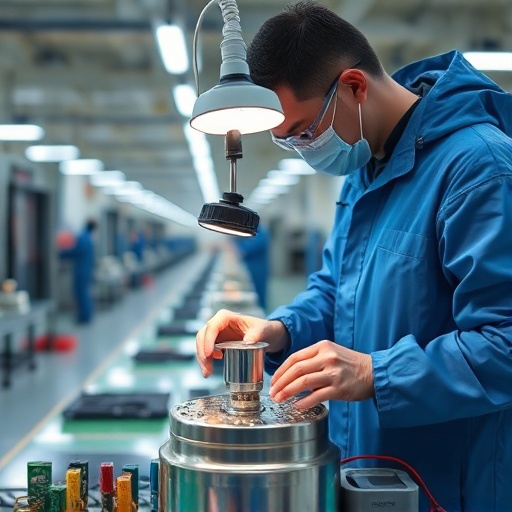
The manufacturing process itself must be transparent. When you walk through our facility, you won’t just see assembly; you’ll see the AQL (Acceptance Quality Limit) stations where we pull units for destructive testing. We run cycles that simulate three years of use in under 72 hours. We watch the solder joints under microscopic inspection to ensure that the vibration of the waste-sifting cycle doesn’t lead to micro-fractures in the connection points. This is the difference between a product that scales and a product that triggers a recall.
Building a brand means your supply chain needs to be invisible to your customer. Whether you are shipping to households in the US or high-rise apartments in Tokyo, the hardware must be compliant, certified, and ready for global logistics. We handle the technical heavy lifting, from BPA-free material sourcing to ensuring your firmware is locked down against common security vulnerabilities. You can Explore DDPark Smart Pet Product Catalog to see the engineering standards we apply to our units, which are specifically designed to reduce the overhead of long-term customer support.
Scaling a subscription business is a game of margins and sentiment. Every time you have to send a replacement unit, you aren’t just losing the cost of the hardware; you are losing the labor cost of the customer service rep who has to handle the complaint. If you want to build a sustainable pet tech brand, you have to source like an engineer, not a marketer. We invite you to Request a Free OEM Quote from DDPark to see how our DDPark 10+ Years Manufacturing Expertise can provide the stability your subscription inventory requires.
Frequently Asked Questions
Q: Why is firmware stability more important than the litter box design for subscription models?
A: Subscription revenue depends on customer retention. Firmware bugs cause connectivity drops and sensor errors, which force users to manually intervene. This ruins the “automated” value proposition and leads directly to high churn rates.
Q: How does DDPark handle the specific hardware needs for international subscription markets?
A: We integrate regional-specific certifications like FCC, CE, and RoHS directly into our production line. We also offer full OEM customization for apps and packaging, ensuring your brand maintains a consistent identity regardless of the destination country.
Work with DDPark
Partner with us for custom logo and packaging, food-grade BPA-free materials, low MOQ support, and battery backup protection to ensure your brand stands out in the crowded pet tech market.
Ready to Start Your OEM Order?
Contact our B2B team today for pricing, MOQ, and custom branding options.