
The Complete B2B Sourcing Guide for Smart Pet Feeder in 2026
I once watched a procurement manager pull a “finished” smart feeder from a shipping crate, only to have the entire impeller assembly snap off at the slightest touch. The factory floor was spotless, the ISO certificates were framed on the wall, and the price per unit looked perfect on the spreadsheet. Yet, the plastic was brittle, the motor hummed with a death rattle, and 12% of her initial shipment ended up in a landfill before it ever reached a customer. This is the reality of the 2026 market: a landscape where shiny brochures often mask deep-seated mechanical failures. Sourcing isn’t just about finding a factory; it’s about navigating the intersection of hardware engineering, software stability, and global compliance. This is the complete B2B sourcing guide for smart pet feeder in 2026, designed to help you avoid these costly mistakes and scale your brand with actual, verifiable confidence.
The 2026 Landscape: What Changed?
The pet industry has shifted from simple mechanical timers to a fully integrated IoT ecosystem. Today’s consumers demand precise meal scheduling, instant push notifications for low food levels, and high-definition camera monitoring. We saw a massive shift in 2024 with the adoption of ESP32 modules, which finally began to stabilize those notorious WiFi dropout complaints that plagued the early 2020s.
Retailers now demand Matter-compatible devices, forcing manufacturers to move away from proprietary, closed-loop software that locks you into a single app. If you are sourcing for the US, UK, or Japanese markets, your supplier must be well-versed in UL and CE certifications. DDPark 10+ Years Manufacturing Expertise has taught us that the difference between a successful launch and a massive recall lies in the details—specifically the anti-jam infrared sensors that prevent the motor stalls common in entry-level units.
Vetting Manufacturers: Beyond the Brochure
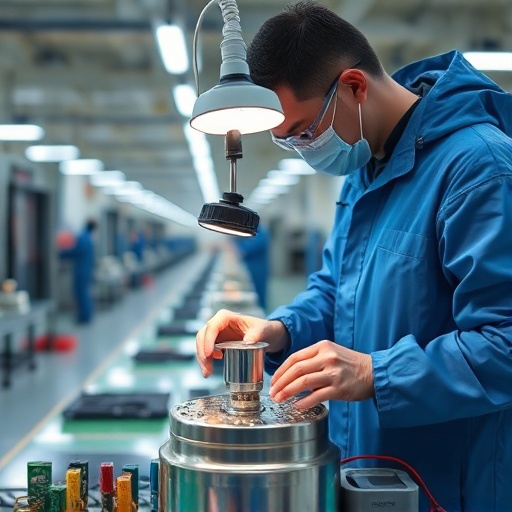
Stepping onto a factory floor in the Pearl River Delta, you hear the rhythm of production: the sharp *click-clack* of injection molds, the high-pitched whine of circuit board testing, and the steady hum of conveyor belts. Many suppliers will show you a “showcase” line that looks like a surgical suite. Don’t be fooled. Ask to walk through the secondary assembly areas where the actual, high-volume production happens.
I’ve seen factories that display pristine ISO certifications while struggling with “yield rate drift.” This is where the first 500 units are perfect, but the subsequent 4,500 suffer from subtle, creeping inconsistencies. A true partner invites you into the process, not just the lobby. At DDPark, we maintain a zero-defect manufacturing philosophy, utilizing 100+ employees and state-of-the-art testing rigs. If you are a startup, don’t be intimidated by our scale; we offer flexible MOQs specifically designed to help emerging brands enter the market without massive capital tie-ups. Request a Free OEM Quote from DDPark to see how our scalable model fits your growth trajectory.
The Engineering Core: IoT and Hardware
Your “smart” feeder is only as good as the internal hardware. The auger motor must be silent yet powerful enough to handle varying kibble sizes without clogging. Many budget feeders fail here because they use underpowered motors that struggle under the weight of a full hopper. My personal opinion? Stainless steel bowls are no longer an optional “add-on”—they are a baseline requirement for any brand that wants to survive the scrutiny of modern pet owners.
Load cell technology has also become the gold standard for portion control. Time-based dispensing is inherently inaccurate, leading to overfeeding and fat pets. Incorporating load cells provides a measurable, data-backed value proposition that you can sell to your customers. Furthermore, the integration with the Tuya Smart Ecosystem remains the most reliable path for global connectivity, ensuring your product doesn’t become a “dumb” brick the moment the user updates their home network.
The Truth About QC and Yield Rate Drift
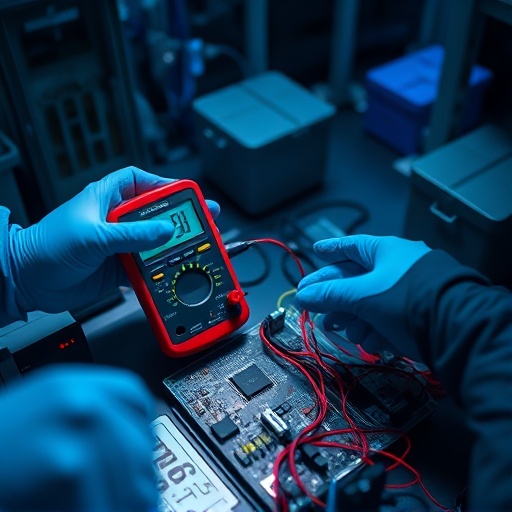
Even ISO-certified factories can have inconsistent QC between production batches. I remember a specific instance where an AOI camera flagged uneven solder brightness on three boards during a standard shift. A less diligent factory would have ignored this, leading to power fluctuations in the final product.
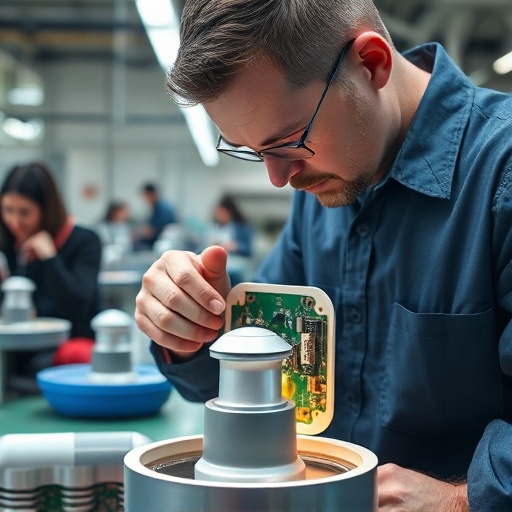
For Amazon sellers, this is fatal. A high return rate kills your search ranking and ruins your brand equity. You need a partner that performs comprehensive aging tests before shipment. This is why our process at DDPark includes rigorous stress tests on every single motor and sensor. We don’t just ship products; we ship reliability. Explore DDPark Smart Pet Product Catalog to see our full range of vetted, high-performance solutions.
Comparison Table: Standard vs. Premium vs. DDPark OEM
| Feature | Standard Market Feeder | Premium Retail Feeder | DDPark OEM Solution |
|---|---|---|---|
| Connectivity | Basic 2.4GHz WiFi | Dual-Band/Matter | Matter-Ready + Tuya Integrated |
| Anti-Jam Tech | None (Mechanical) | Basic Reverse Rotation | Redesigned Infrared Anti-Jam |
| Material | Standard ABS | BPA-Free / Stainless | Premium Food-Grade/Sustainable |
| QC Standard | Sample Inspection | Full Batch Inspection | Zero-Defect / Multi-Stage IQC |
| MOQ | High (1000+) | Very High (5000+) | Flexible (Startup Friendly) |
Sustainability and ESG: The New Retail Standard
ESG requirements are no longer a “nice to have” for large retailers. They are becoming a mandate. Practically, this means moving away from single-use plastics and adopting recycled packaging. It also means making electronics modular for easier repair.
Here is my contrarian take: most “sustainable” tech in the pet industry is just greenwashing. True sustainability means building a product that lasts five years, not one that uses slightly less plastic but breaks in six months. By partnering with a factory like DDPark, you ensure your supply chain meets these modern environmental standards while focusing on actual product longevity, protecting your brand from future regulatory shifts.
Frequently Asked Questions
Q: What is the most critical component in a reliable smart pet feeder?
A: The auger motor and the load cell mechanism are the most critical. If the motor lacks torque or the load cell is uncalibrated, the device will fail to dispense food accurately or jam frequently.
Q: How can I ensure my OEM feeder is Matter-compatible?
A: Ensure your manufacturer uses updated firmware modules like the ESP32 and works within the Tuya Smart Ecosystem to guarantee cross-platform interoperability.
Q: Why do some factories have inconsistent quality across batches?
A: This is often caused by ‘yield rate drift,’ where initial production runs are handled by senior technicians, but subsequent batches suffer from lack of rigorous IQC inspection and automated testing.
Q: What are the benefits of stainless steel bowls in pet feeders?
A: Stainless steel is more durable, easier to sanitize, and prevents bacterial buildup compared to plastic, making it a high-value upsell for your brand.
Q: Does DDPark support small businesses with low MOQs?
A: Yes, DDPark offers flexible MOQs for startups and distributors, ensuring you can test the market without excessive inventory risk.
Work with DDPark
Our commitment is simple: [highlight: factory direct OEM pricing, low MOQ support, aging test before shipment, low-noise motor system]. We provide the hardware expertise you need to scale your brand in 2026 and beyond.
Ready to Start Your OEM Order?
Contact our B2B team today for pricing, MOQ, and custom branding options.
[Request Your Free OEM Quote Today]