Most distributors believe the “no-filter” model is a golden ticket to higher margins. They assume removing the consumable component simplifies the supply chain and removes a barrier to entry for the end user. This is a dangerous misconception. In reality, the decision regarding a smart water fountain with filter replacement vs without: which is better for B2B isn’t about saving pennies on a piece of charcoal; it’s about mechanical survival. For a distributor, a filter-less fountain is often a ticking time bomb of motor failures and return logistics that can wipe out your quarterly profits before the first container reaches the port.
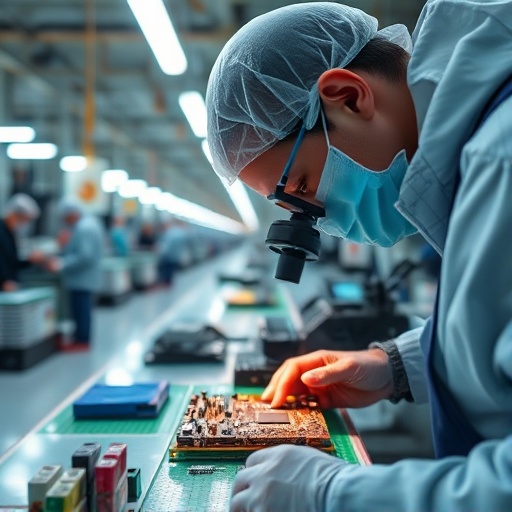
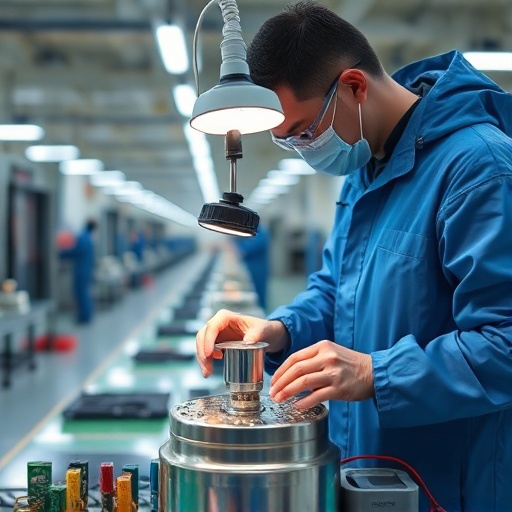
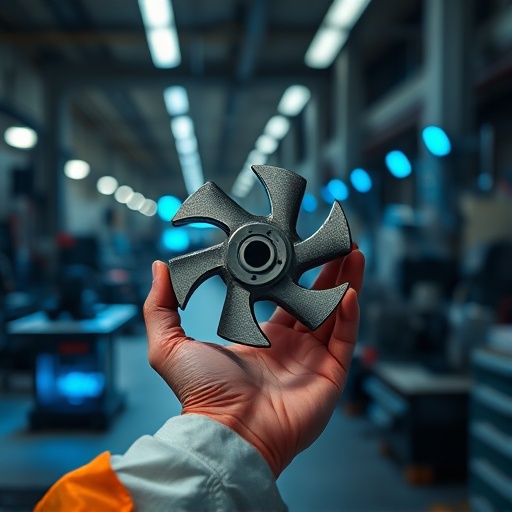
I remember standing on a factory floor in Shenzhen during a humid July, watching a batch of 5,000 “filter-optional” units cycle through an aging test. The air smelled of ozone and hot plastic. My lead engineer pulled a unit off the belt that had been running for just 72 hours. He pried open the pump housing. It was choked with a cocktail of hair, biofilm, and mineral deposits that had bypassed the intake because there was no physical barrier to catch them. That specific pump had already begun to hum—a high-pitched, strained sound that signals imminent burnout. If we had shipped those, our return rate would have been catastrophic. Filter-less designs are only viable if you are willing to over-engineer the pump housing to a degree that usually makes them more expensive than the filtered versions anyway.
Engineering these devices requires more than just assembling plastic parts. It demands an obsession with the “small stuff” that most B2B buyers ignore until it’s too late. When you choose a smart water fountain with filter replacement vs without: which is better for B2B, you are really choosing between two different business models. The filter-based model provides a predictable, recurring revenue stream for your brand partners. It protects the pump motor from debris, extending the device’s lifespan significantly. Conversely, the filter-less model is a race to the bottom on price, often resulting in hardware that fails the moment the warranty period expires.
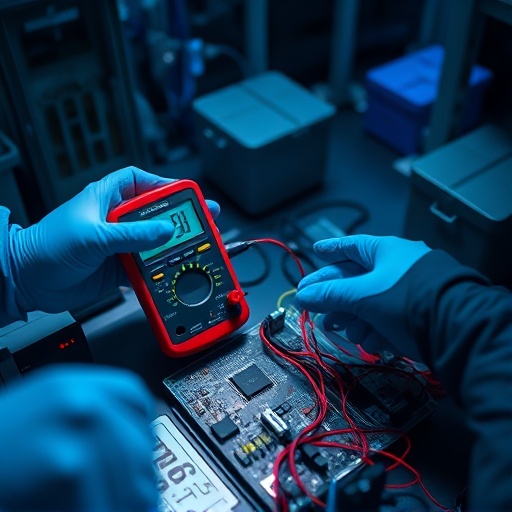
Hardware stability is the silent killer in this industry. Many manufacturers are still shoving outdated ESP8266 modules into these fountains because they are cheap. Those chips struggle with modern, encrypted home networks. When an Over-the-Air (OTA) update hits, these devices often “brick” because the memory buffer is too small to handle the firmware packet. At DDPark, we made the switch to ESP32 modules years ago. It’s a slightly higher bill-of-materials cost, but it’s the only way to ensure the device actually stays connected to the user’s app. If your fountain doesn’t stay connected, it’s not a “smart” product—it’s just a glorified, expensive bowl.
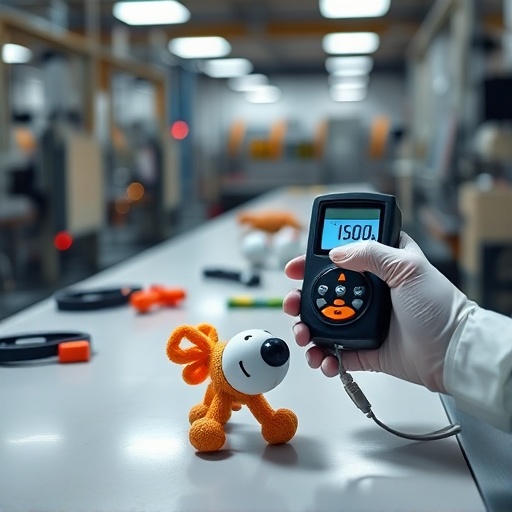
Quality Control (QC) is where most sourcing agents fail. You can have the best design on paper, but a factory that doesn’t perform 100% aging tests is a liability. I’ve seen factories skip the aging process to speed up production for a looming deadline. They rely on “spot checks,” which might catch a dead pixel but will never catch an intermittent short circuit that only manifests after 48 hours of continuous use. Our facility in the Pearl River Delta operates on a different frequency. We treat every unit as if it’s destined for a flagship store. Whether you are looking for Explore DDPark Smart Pet Product Catalog or need a partner who understands the nuances of global compliance, our goal is to ensure your product survives the “first month” hurdle that kills most new pet tech brands.
My contrarian take? The industry is moving toward a “hybrid” filtration expectation, even in budget models. If you insist on a filter-less design, you must invest in a high-grade stainless steel basin that is easy to disassemble for deep cleaning. The user experience must account for the lack of a filter by making the pump housing incredibly accessible. If the user needs a screwdriver and a degree in engineering to clean the impeller, your return rate will soar. Providing a product that is easy to maintain is just as important as the technology inside it. We provide Request a Free OEM Quote from DDPark to help you weigh these trade-offs before you commit to a full production run.
Success in this market requires a clear-eyed view of your target demographic. Premium markets in the US and Europe demand the recurring revenue and hygiene of a filter system. Emerging markets might be more price-sensitive, but even there, consumers are becoming educated. They don’t want a “disposable” smart device. They want a reliable tool that makes their pet’s life better. By leveraging our DDPark 10+ Years Manufacturing Expertise, you gain access to the technical rigor required to avoid the pitfalls of early-stage failures. We don’t just build hardware; we build brand equity by ensuring your products don’t end up in a landfill, or worse, back in your warehouse as a logistics nightmare.
Frequently Asked Questions
Q: Do smart water fountains without filters sell better in emerging markets?
A: Often, yes. Markets with lower recurring revenue potential for consumables prefer “filter-less” designs that rely on high-grade stainless steel bowls for hygiene, reducing the long-term cost for the end user.
Q: Why is firmware stability critical for smart water dispensers?
A: Poor firmware leads to OTA update failures, rendering the device unresponsive. Our experience shows that moving from legacy chips to ESP32 modules significantly improves connectivity reliability.
Q: How can I minimize dead stock risk when ordering smart pet products?
A: Start with flexible MOQ orders and prioritize manufacturers that offer rigorous “golden sample approval” processes and 100% aging tests before shipment.
Work with DDPark
Our solutions feature [highlight: aging test before shipment, battery backup protection, matter protocol ready, factory direct OEM pricing]. We are your partner in scaling high-quality, reliable smart pet tech.
Ready to Start Your OEM Order?
Contact our B2B team today for pricing, MOQ, and custom branding options.