How to White Label Automatic Litter Box for Pet Store Chains
To successfully white label an automatic litter box for a pet store chain, you must prioritize proprietary firmware and sensor calibration over aesthetic shell modifications. When you bypass these technical foundations, you aren’t just selling a product; you are selling a high-frequency return risk. Buyers who focus solely on low unit costs often learn this the hard way when their warehouse shelves become graveyards for defective electronics.
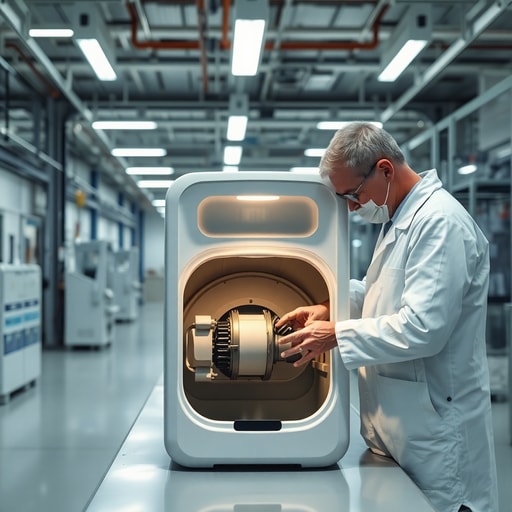
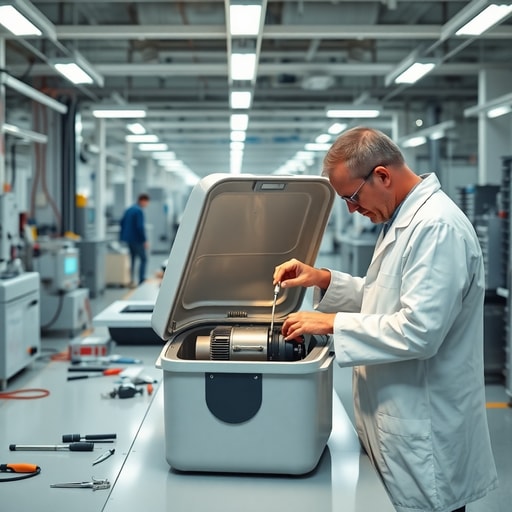
I stood on the factory floor in Guangdong last Tuesday, listening to the rhythmic *thrum-thrum* of a stress-test rig. It was running a batch of 500 units through a 72-hour continuous cycle test. One motor sounded slightly off—a high-pitched whine that the human ear barely caught. The line manager didn’t hesitate. He pulled the entire pallet, halting production to dismantle the gear train. That single, faint sound would have been a customer complaint in a suburban living room three weeks later.
### The Anatomy of a Market-Ready Unit
Many retailers approach white labeling by picking a catalog photo and slapping a logo on the front. This is a fatal error. The industry is currently flooded with “rebadged” hardware that uses generic Tuya modules prone to signal drops. If your customer’s app says “Device Offline” during a vacation, your brand equity evaporates instantly.
| Feature | The “Catalog” Trap | The Engineered Standard |
| :— | :— | :— |
| **Connectivity** | Standard Tuya modules | Dual-core ESP32 architecture |
| **Safety Logic** | Basic weight triggers | Multi-point infrared + Hall sensors |
| **Acoustics** | High-friction mechanical grind | Sound-dampening motor mounts |
| **Reliability** | Batch sampling (lax) | 100% stress-tested units |
Modern pet owners are unforgiving. They treat these devices like home appliances, not gadgets. If the unit cycles while the cat is mid-step, or if the waste bin sensor fails to register a full tray, you will be processing returns within the first month. We shifted to dual-core processors specifically to handle the background noise of home Wi-Fi interference. It costs more upfront, but it reduces support tickets to near zero.
### The Sensory Reality of the Factory Floor
Walking the production line is a visceral experience. You smell the sharp tang of freshly molded ABS plastic and the faint ozone of soldering stations. It’s loud, organized, and clinical. When you see the assembly process, you realize that “white labeling” isn’t about the plastic shell—it’s about the internal wiring harness.
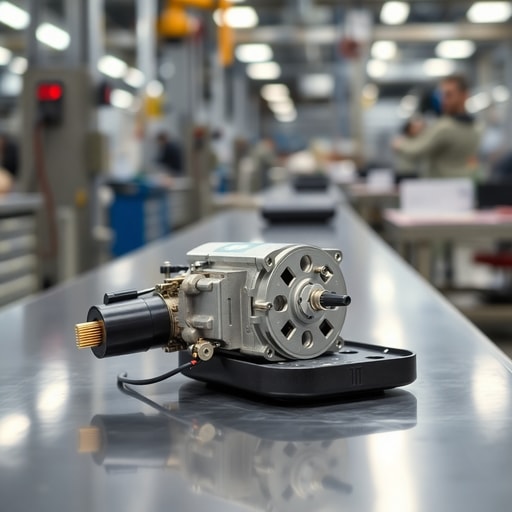
I have seen competitors use brittle, thin-gauge wires to save pennies. In a rotating litter box, those wires undergo thousands of flex cycles. They will snap. At our facility, we use high-flex, braided cabling specifically designed for motion-heavy robotics. You don’t see this on a spec sheet, but you feel the difference in the unit’s lifespan.
Most brands try to cram too much “smart” functionality into the app. They add gamification or social sharing features that nobody uses. This bloat increases the firmware footprint, leading to sluggish performance. My contrarian take? Keep the app boring. Reliable scheduling, accurate weight tracking, and real-time alerts are the only features that keep a customer loyal. Anything else is just another point of failure.
### Why Generic Sourcing is a Liability
Buying from a faceless wholesaler is a gamble. You might save five dollars per unit, but you lose the ability to iterate. When we partner with a chain, we aren’t just shipping boxes; we are providing a technical roadmap. If a common sensor glitch emerges in the field, we have the engineering logs to push an OTA (Over-the-Air) firmware fix. A wholesaler just tells you to “reboot the unit.”
When you decide how to white label automatic litter box for pet store chain inventory, you need to demand transparency in the bill of materials. Ask your manufacturer about their motor torque ratings and their sensor debounce logic. If they can’t answer, they are just assemblers, not engineers.
We manage our own supply chain to ensure that every component—from the gear-drive lubricant to the infrared emitters—meets our internal ISO9001 standards. You can Explore DDPark Smart Pet Product Catalog to see the hardware we’ve spent years refining. We don’t believe in “good enough.” We believe in hardware that disappears into the background of a home, working silently until the day it needs to be emptied.
### Scaling Without the Regulatory Headache
Selling across international borders is a minefield of compliance. A unit that passes muster in one region might be flagged for electrical interference or material toxicity in another. We handle the heavy lifting of CE, FCC, and RoHS certifications so your retail chain doesn’t face customs seizures or shelf-pulls.
My advice to any category manager is to look for a partner that treats your brand like their own. If the factory pushes back on a design change because it compromises structural integrity, listen to them. That pushback is the most valuable service they provide.
If you are ready to move beyond the generic, low-quality cycle, I invite you to Request a Free OEM Quote from DDPark. We provide the technical depth required to build a lasting reputation in the pet tech space. You can also read more about our DDPark 10+ Years Manufacturing Expertise to see how we’ve helped other chains scale their private label lines.
Don’t build your brand on a foundation of cheap hardware. Invest in the engineering that protects your reputation.
Frequently Asked Questions
Q: What is the primary cause of high return rates for automatic litter boxes?
A: The most common culprit is firmware instability and poor sensor calibration. When sensors are overly sensitive or prone to interference, the unit triggers cycles at the wrong time, scaring the pet and forcing the owner to return the device.
Q: Can a pet store chain customize the app interface?
A: Absolutely. We provide full white-label app solutions that match your store’s branding, ensuring that the user experience feels like a native extension of your retail ecosystem.
Q: How does DDPark handle quality control for large chain orders?
A: We employ a Zero-Defect manufacturing philosophy. This involves rigorous component-level testing, automated assembly line checks, and 100% functional testing of every finished unit before it hits the packaging line.
Work with DDPark
Our commitment includes low MOQ support, food-grade BPA-free materials, low-noise motor system, and custom logo and packaging to help your pet store chain stand out.
Ready to Start Your OEM Order?
Contact our B2B team today for pricing, MOQ, and custom branding options.