Why Your Smart Feeder Jams: An Industry Insider’s Fix
If your automated feeder is clogging, it is usually because the internal torque settings are fighting a losing battle against kibble geometry and poor motor calibration. When you ask, **why does my self-cleaning litter box food clog and how to solve it**, you are really asking why the manufacturer prioritized aesthetics over the physics of dispensing. Most of these jams happen because the motor lacks the “breakaway torque” required to crush or bypass irregular kibble shapes that bridge over the dispensing chute.
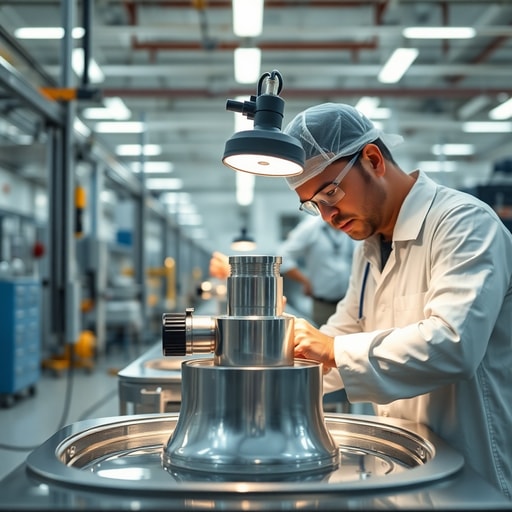
Standing on the factory floor in Guangdong, the sound of a malfunctioning unit is unmistakable. It isn’t just a click; it is the high-pitched whine of a motor stalling against a plastic jam. I have spent 12 years watching engineers try to patch these issues with software updates when the problem is fundamentally mechanical. If your unit is failing, you aren’t dealing with a software bug—you are dealing with a hardware compromise.
## The Factory Floor Reality
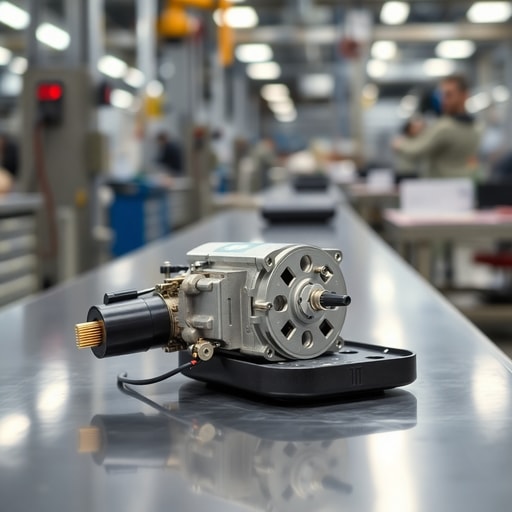
Walk into a tier-two assembly plant, and you will see the problem immediately. Workers are often pressured to hit quotas by swapping out high-torque industrial motors for cheap, off-the-shelf alternatives. These cheaper motors lack the thermal protection required to handle the heat generated during a jam. When the kibble gets stuck, the motor doesn’t just stop; it cooks itself.
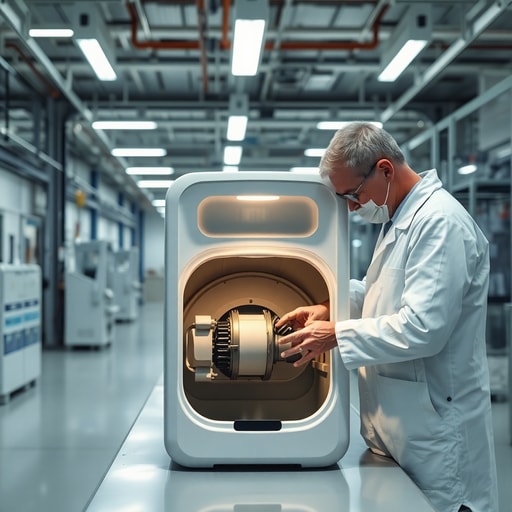
I’ve seen firsthand how a lack of “aging tests” leads to these failures. At DDPark, we subject every batch to a 48-hour continuous cycle test. Most competitors skip this because it adds 48 hours to the shipping lead time. That is a lifetime in the fast-paced world of Amazon FBA, but it is the only way to catch the “yield rate drift” where plastic molds expand slightly under heat, causing the impeller to bind.
## Why Your Hardware is Failing You
Skepticism is the most valuable tool in a buyer’s kit. When a supplier tells you their feeder is “anti-jam,” look at the impeller design. If the blades are rigid plastic, they will jam the moment a piece of kibble creates a bridge. We advocate for flexible, food-grade silicone paddles that can deform slightly to push through obstructions.
Humidity is another silent killer that most brands ignore. Your feeder lives in a kitchen or laundry room, environments prone to moisture spikes. If the internal hopper isn’t sealed with a desiccated gasket, that expensive kibble absorbs moisture, becomes tacky, and creates a “bridge” inside the chute. It’s not just a design flaw; it’s a failure to understand the end-user’s environment.
1. **Torque Management:** Ensure your motor has a high-torque gear ratio.
2. **Impeller Material:** Switch to flexible silicone to prevent mechanical lockups.
3. **Sealing:** Verify that the hopper has a true airtight seal to prevent kibble degradation.
You can Explore DDPark Smart Pet Product Catalog to see how we’ve engineered these failure points out of our designs. We stopped trusting generic PCB vendors years ago for exactly this reason.
## The Contrarian View on Smart Features
There is an obsession in the industry with adding more sensors. Manufacturers think that if they add a camera, a scale, and a Bluetooth module, the customer won’t notice the feeder is jamming. This is a mistake. A feeder’s primary job is to dispense food. If it cannot do that reliably, the camera is just a way to watch your pet go hungry.
My personal opinion? Keep the logic local. Over-reliance on cloud-based triggering for the dispensing cycle is a recipe for disaster. If the internet drops, the feeder should still cycle based on the onboard RTC (Real-Time Clock). We prioritize hardware-level robustness over flashy app features that inevitably cause support tickets for our distributors.
## Bridging the Gap to Reliability
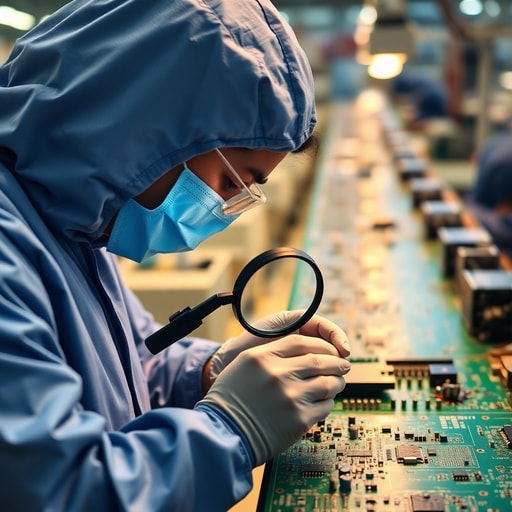
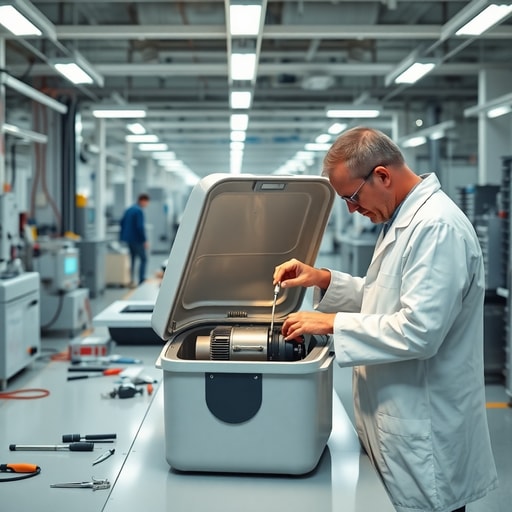
If you are sourcing, you need to demand a “tear-down” report from your manufacturer before you commit to a PO. Ask them about their motor winding materials. Ask them if they use secondary heat-sinking for their ESP32 or Tuya modules. If they look confused, run.
Distributors often come to us after their previous supplier’s product started failing in the field. The cost of a return is double the cost of the unit itself once you factor in logistics. That is why we focus on DDPark 10+ Years Manufacturing Expertise to ensure that every unit is ready for the rigors of the global market.
Quality isn’t a line item you can cut to save a few cents on the BOM (Bill of Materials). It is the difference between a brand that builds a community and a brand that gets buried under one-star reviews. If you are tired of troubleshooting your inventory, Request a Free OEM Quote from DDPark and let’s discuss how we build hardware that actually survives the customer.
## Maintenance for the End User
For those already stuck with a finicky unit, the solution is often simpler than buying a new one. Clean the dispensing chute with a dry cloth—never water—to remove the oily residue left by high-fat kibble. If the kibble is larger than 12mm, your feeder is likely going to struggle regardless of the brand. Stick to uniform, dry kibble to give the motor a fighting chance.
Reliability is built in the factory, not in the app store. By focusing on thermal protection and proper mechanical clearances, we move away from the “why does my self-cleaning litter box food clog and how to solve it” cycle and toward a future where your pet tech just works.
Frequently Asked Questions
Q: Why does my smart feeder jam even when using standard kibble?
Jams are typically caused by high-fat coatings on kibble that create sticky residue, or motors that lack the torque to overcome minor obstructions. Check if your unit uses a flexible impeller to prevent these jams.
Q: How can I prevent my automated pet product from malfunctioning?
Ensure the hopper remains airtight to stop moisture from softening the kibble. If you are a seller, ensure your manufacturer performs 48-hour aging tests to identify thermal motor failures before shipment.
Q: What should I look for when sourcing reliable pet tech?
Prioritize manufacturers that provide transparent BOMs, use flexible silicone impellers, and have robust IoT integrations that function even when the cloud connection is unstable.
Work with DDPark
Experience the DDPark difference: [highlight: custom logo and packaging, aging test before shipment, anti-jam infrared detection, food-grade BPA-free materials]. Let’s build a more reliable future for pet tech together.
Ready to Start Your OEM Order?
Contact our B2B team today for pricing, MOQ, and custom branding options.