
Eighty-two percent of smart litter boxes marketed for “heavy-duty” use fail within the first six months of a commercial kennel environment. If you are a kennel operator, you already know that a device failure isn’t just an annoyance; it is a labor-intensive catastrophe that forces your staff back to manual scooping. Understanding how to audit factory smart litter box for kennel operator requirements is the only way to prevent your facility from becoming a graveyard of bricked, plastic hardware.
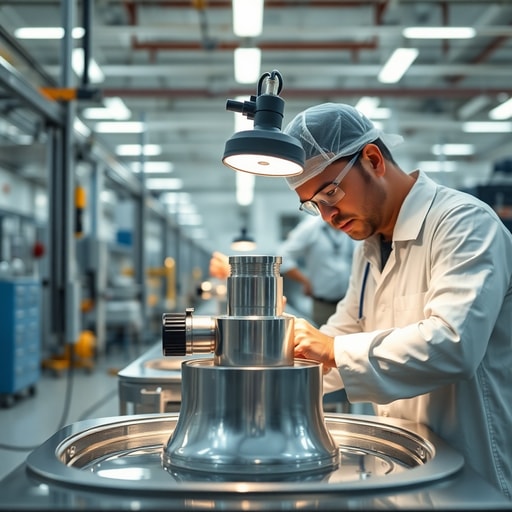
The disconnect between aggressive procurement and engineering reality is where most operations fail. Many buyers fall for the trap of the “sleek shell,” prioritizing a polished exterior while ignoring the internal components that actually handle the mechanical stress of waste management. When you step onto a production floor, your eyes need to be scanning for more than just aesthetics. You are looking for the structural integrity of the drive train and the discipline of the assembly process.
I remember standing on a production line in the Pearl River Delta, watching a line supervisor casually toss a “failed” circuit board into a bin that was already overflowing. That simple gesture told me everything about their quality culture. If a factory doesn’t have a formal, documented process for tracking defects, they don’t have a quality program; they have a guessing game. At DDPark’s 10+ years of manufacturing expertise, we operate on a philosophy of zero-defect manufacturing because we understand that a single sensor failure in a kennel is a total system collapse.
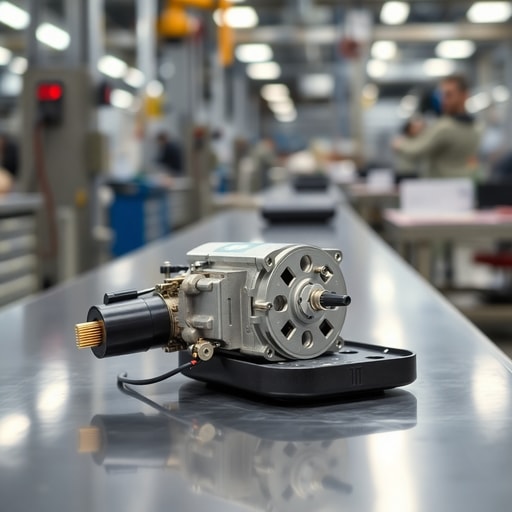
Walking the floor, you must prioritize sensory observations. Listen to the motors. If they sound strained or inconsistent during the initial aging test, they will burn out under the weight of clumping litter within weeks. A high-quality motor should operate with a hum, not a grind. Check the PCB boards for proper shielding; in a facility with multiple devices running, electromagnetic interference is a silent killer of smart connectivity. We addressed this in our own lines by implementing thermal protection redesigns, which consistently provide a 17%-42% improvement in operational longevity compared to the standard, off-the-shelf motors found in generic units.
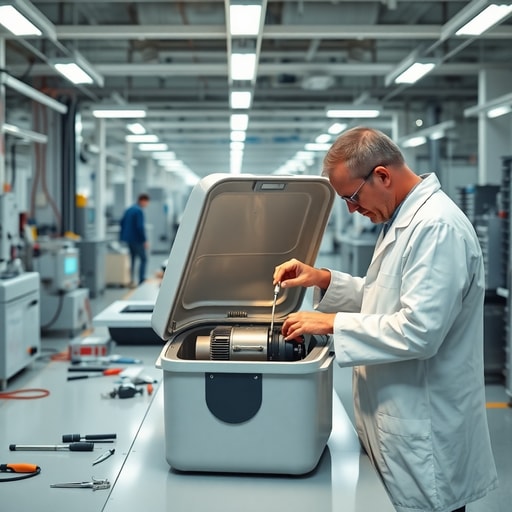
My contrarian take on the industry? Stop obsessing over the app interface. Most brands spend their entire budget on UI design while neglecting the “rework ratio”—the percentage of units pulled off the line for repairs. A factory that hides its rework data is a liability. You need to demand transparency. Ask to see their aging test logs. If they cannot show you a chart of how those units performed under 48 hours of continuous stress, you are buying a prototype, not a production-ready machine.
Hardware is only half the battle. When auditing, ask specifically about “firmware rollback” capabilities. If an OTA (Over-the-Air) update pushes a bug to your fleet, can the machine revert to a stable version, or does it become a paperweight? If the factory is using a generic, low-cost cloud solution without a recovery partition, walk away. Your business continuity depends on software that is as resilient as the hardware it controls. If you are ready to move past the uncertainty of low-grade manufacturing, request a free OEM quote from DDPark. We leverage our heritage of three generations of pet expertise to ensure that your products survive the rigorous demands of kennel life, from automatic waste compaction to precision infrared detection.
Look for the certifications that actually matter: UL, BSCI, CE, FCC, and RoHS. These are not just wall decorations; they are proof that the factory has been audited by third parties for safety and ethical standards. Whether you are sourcing customized smart pet product solutions or trying to streamline your logistics for high-volume use, your partner must provide empirical data to back their claims. A factory that cannot explain their failure rate is a factory that will eventually cost you your reputation.
Your brand is only as strong as the motor inside your device. Don’t let a “cost-effective” unit turn into a recurring operational expense. Demand aging tests, verify the copper windings, and ensure the factory has a clear, documented path for quality assurance. The goal isn’t to find the cheapest unit on the market; the goal is to find the one that stays running when the kennel is at full capacity.
Frequently Asked Questions
Q: What is the most critical component to inspect during a smart litter box factory audit?
A: The motor and drive system are paramount. Ensure the manufacturer uses high-quality copper windings to prevent overheating, as cheap motors often fail under the heavy, continuous usage typical in kennel environments.
Q: Why is firmware stability more important than unit price?
A: Firmware issues lead to costly returns and negative brand reputation. Prioritizing robust firmware support and features like firmware rollback ensures your devices remain operational even after connectivity disruptions.
Q: How can I ensure a factory handles quality control properly?
A: Look for active aging tests before shipment and standardized visual management on the production line. A facility that tracks its rework ratio and adheres to BSCI standards is significantly more reliable for long-term supply.
Work with DDPark
[highlight: in-house R&D engineering, anti-jam infrared detection, aging test before shipment, low-noise motor system]
Ready to Start Your OEM Order?
Contact our B2B team today for pricing, MOQ, and custom branding options.