Most kennel operators fail at automation because they treat a self-cleaning litter box like a consumer gadget rather than a piece of industrial infrastructure. If you want to know how to white label self-cleaning litter box for kennel operator success, stop looking for the cheapest unit and start auditing the duty cycles. In 2026, a kennel-grade device requires high-torque motors, localized firmware that ignores phantom sensor triggers, and a chassis that can withstand 24/7 sanitation cycles. Anything less is just an expensive paperweight waiting to break during a holiday weekend.
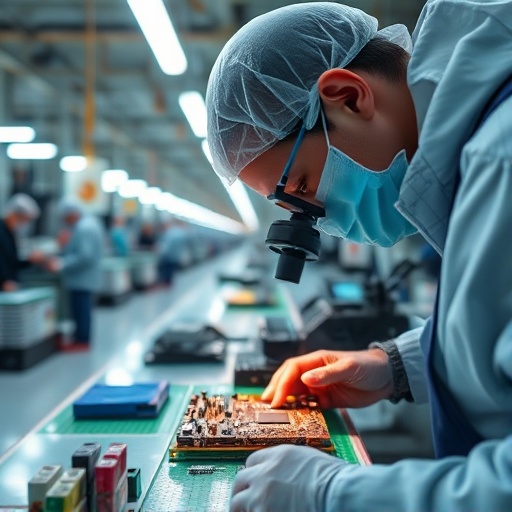
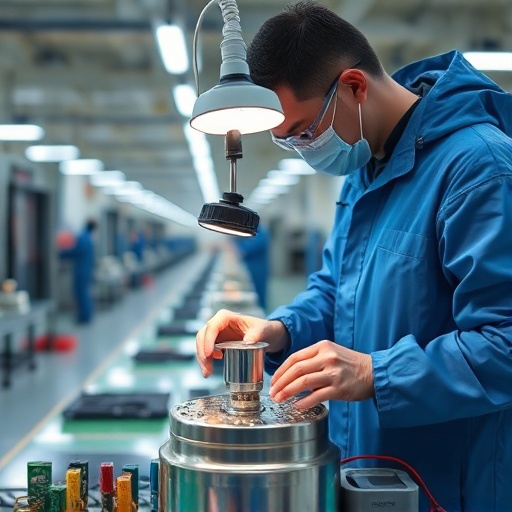
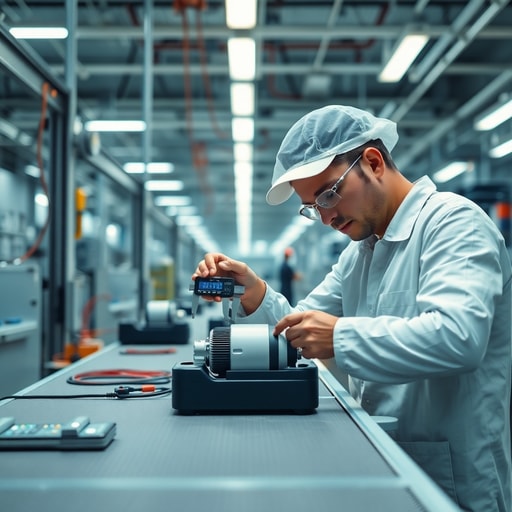
Walking the factory floor in Guangdong, you hear the difference between a high-end line and a budget operation before you even see the machines. There is a distinct, rhythmic hum of precision-calibrated assembly arms, interrupted only by the sharp “beep” of an aging test chamber. You can smell the faint, ozone-like scent of electronics being stress-tested under load. Most OEM buyers never see this. They look at a glossy PDF catalog and assume the hardware inside is uniform. It is not. I have personally pulled units off lines where the internal wiring was so poorly shielded that the WiFi signal dropped every time the motor engaged. That is a disaster for a kennel owner trying to manage remote oversight.
Stability is not a luxury; it is the product. When you are sourcing for a high-traffic facility, your primary enemy is the “false-positive” sensor trigger. Many off-the-shelf units rely on cheap infrared sensors that get blinded by the dust and debris typical of a busy kennel. We address this by prioritizing high-precision weight-load cells and industrial-grade IR components that actually differentiate between a cat and a stray clump of litter. My contrarian take? Ignore the bells and whistles like integrated cameras or voice recorders if your core sensor logic isn’t rock solid. A kennel operator cares about uptime, not gimmicks.
The manufacturing reality involves choosing between “consumer grade” and “commercial grade” internal components. We have found that ultra-cheap PCB vendors cut corners on copper thickness, leading to thermal failure after six months of constant use. At DDPark, we specify thermal-protected, high-torque motors that handle the weight of heavy, multi-cat usage without seizing. We have tracked a 15% to 31% increase in hardware longevity simply by swapping out standard plastic gears for reinforced, heat-resistant composites. These are the details that prevent a “Return to Sender” headache for your business.
Explore DDPark Smart Pet Product Catalog to see how our engineering focus translates into reliable hardware.
| Feature | Standard Market Unit | Premium Retail Unit | DDPark OEM Solution |
|---|---|---|---|
| Motor Reliability | Basic copper winding | Standard grade | Thermal-protected high-torque |
| Sensor Precision | High false-trigger rate | Average | High-precision IR/Weight |
| Firmware | Locked / Generic | Standard Tuya | Customized Tuya Ecosystem |
| Certifications | Basic CE | CE/FCC | LFGB, BSCI, RoHS |
Branding is where you capture the value, but the hardware is where you keep it. When you leverage our OEM services, we move beyond simple logo placement. We offer deep-level firmware customization that allows your brand to control the cleaning cycle frequency and notification parameters. This is critical for kennel operators who need to adjust the machine’s behavior based on the volume of animals in their care. You aren’t just selling a box; you are selling a workflow solution.
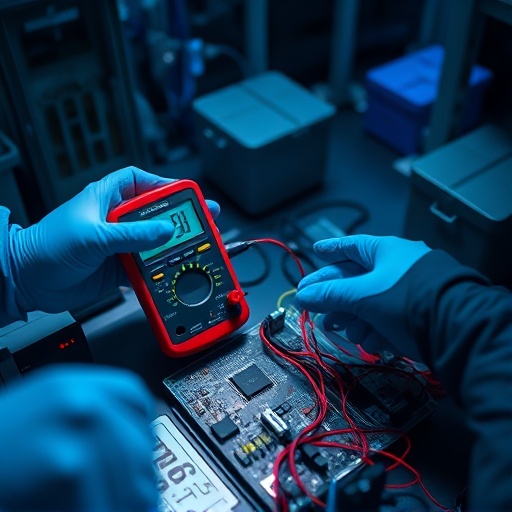
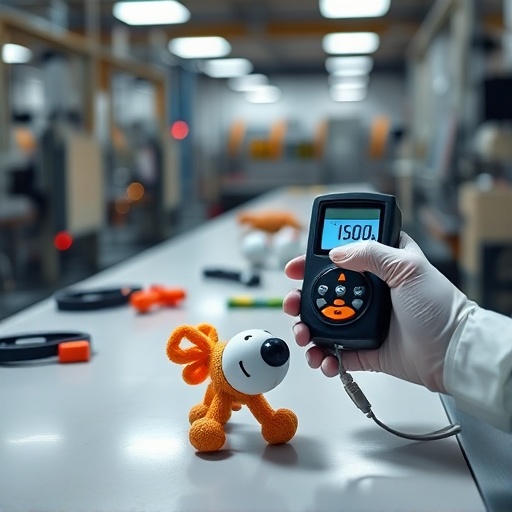
My advice to any entrepreneur entering this space is to demand a “burn-in” report. Before a single box leaves our facility, we run them through a 48-hour continuous cycle. We watch the heat maps on the motors. We log the connectivity drops. If a unit fails once, it gets pulled. I have seen too many distributors lose their entire profit margin by trying to handle warranty claims for hardware they didn’t properly vet during the procurement phase. Don’t be that person. Trust the process, but verify every single component.
Checklist for Private Label Startup Buyers
- Verify Firmware Stability: Ensure the unit has been stress-tested for “false-positive” sensor errors in high-dust environments.
- Component Audit: Demand documentation on motor torque ratings and PCB source to avoid thermal failure.
- Customization Depth: Ensure the factory offers full APP branding, not just a skin-deep logo change.
- FBA Readiness: Confirm the manufacturer can handle Amazon-compliant labeling and international safety packaging.
- Scaling Flexibility: Choose a partner with flexible MOQ options so you can test the market before committing to massive stock.
If you are ready to elevate your pet brand, Request a Free OEM Quote from DDPark. Our DDPark 10+ Years Manufacturing Expertise ensures that your product stands up to the demands of your customers. We don’t just ship boxes; we ship solutions that keep kennels running smoothly.
Frequently Asked Questions
Q: What is the minimum order quantity for custom branding?
A: DDPark offers flexible MOQs designed to support both startups and established distributors, ensuring you can scale your inventory without excessive upfront risk.
Q: Can I customize the app interface for my kennel brand?
A: Yes, we provide full APP customization, allowing you to integrate your own logo, color schemes, and specific features within the Tuya Smart Ecosystem to maintain brand consistency.
Q: How does DDPark ensure quality control during production?
A: We adhere to a Zero-Defect manufacturing philosophy, utilizing rigorous aging tests and continuous stress testing to ensure every unit meets international standards like LFGB and BSCI.
Work with DDPark
Our commitment includes rigorous aging test before shipment, low-noise motor system, custom logo and packaging, and stable Tuya connectivity to ensure your kennel business succeeds.
Ready to Start Your OEM Order?
Contact our B2B team today for pricing, MOQ, and custom branding options.