
How to Audit Factory WiFi Pet Feeder for Pet Brand Startup: A 2026 Strategy
Most founders believe the secret to a successful smart pet feeder launch lies in the app interface or the sleekness of the plastic casing. That is a dangerous misconception. The reality of how to audit factory WiFi pet feeder for pet brand startup is far less about design and entirely about the invisible infrastructure that prevents your product from becoming a glorified paperweight. If you are a startup founder, you need to understand that in 2026, a feeder is essentially a computer that happens to dispense kibble.
The most successful brands today don’t chase the lowest unit cost; they treat firmware as a critical hardware component. While competitors obsess over margins, veteran brands secure their future by auditing the factory’s ability to maintain OTA (Over-the-Air) update stability. If your manufacturer treats software as an afterthought, you are already planning your own product recall.
## The Sensory Reality of the Factory Floor
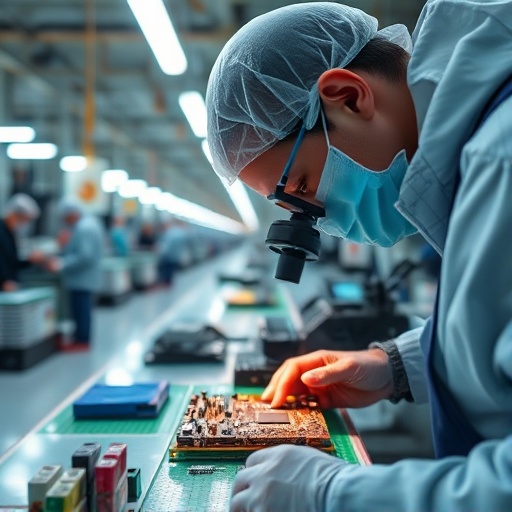
Walking onto a production floor in the Pearl River Delta is a sensory overload. You should hear the rhythmic, high-frequency hum of injection molding machines and the precise *click-clack* of automated assembly lines. If the air is thick with the smell of cheap, burning plastic, or if the floor is cluttered with loose wires and disorganized bins, turn around. Those sensory details are your first warning sign of a chaotic quality management system.
I have spent twelve years walking these aisles. One thing I’ve learned: look for the “Blue Tape” syndrome. When you see workers constantly using blue painter’s tape to secure unstable cartons or makeshift jigs, it means their assembly validation is non-existent. A professional line should be silent, organized, and standardized. If the factory doesn’t have a signed-off “Golden Sample” at every station, your batch-to-batch consistency will drift by as much as 40%. That variance is where your brand dies.
## The Firmware-First Audit
Technical due diligence in 2026 requires you to be skeptical of the “plug-and-play” promise. Many factories will push pre-built, generic firmware that is bloated and prone to WiFi dropouts. My contrarian insight? Never trust the factory’s demo unit. Their demo unit is a hand-tuned masterpiece; your mass-produced shipment will be a different beast entirely.
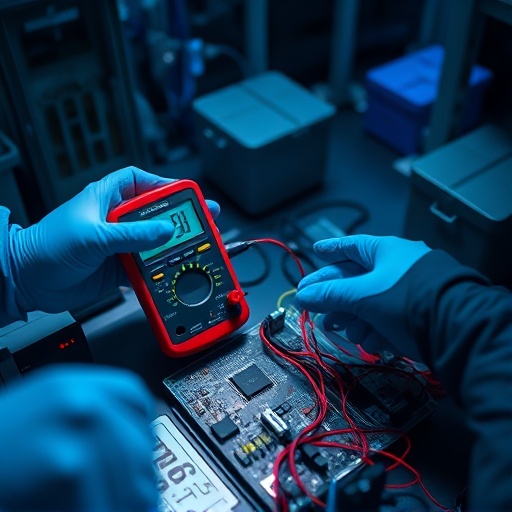
You must ask for the specific WiFi module manufacturer. If they are cutting corners on the PCB to save three cents per unit, your customers will suffer through endless connection loops. Reliable connectivity is the single biggest factor in preventing customer churn. If the factory cannot explain their “false-positive sensor trigger” rate for their infrared food-level sensors, they haven’t done the engineering work required for a global market.
## Essential Audit Checklist for 2026
1. **The OTA Infrastructure:** Verify the factory’s capability to push remote firmware updates. If they don’t have a secure server path for OTA, you cannot fix bugs once the units are in your customers’ homes.
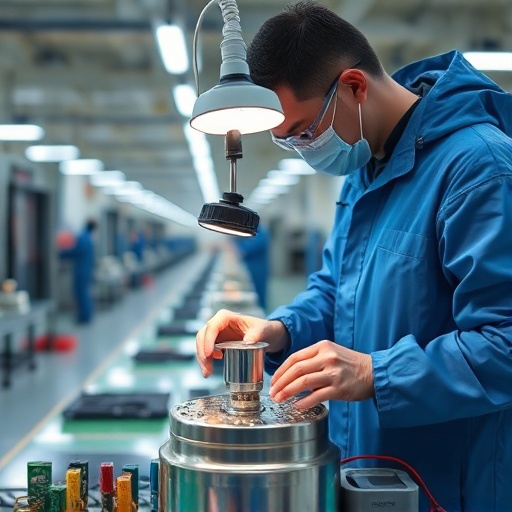
2. **Impeller and Auger Calibration:** Ask to see the stress-test data for the motor. A smart feeder’s soul is its dispensing mechanism. If it jams, your brand’s reputation is gone in one bad Amazon review.
3. **Certification Transparency:** Don’t just look for CE or FCC logos on a PDF. Demand the actual test reports. A factory that hides its certification lab credentials is hiding a lack of safety compliance.
4. **Matter Interoperability:** Startups must prioritize Matter-compatible devices. If your factory partner is still stuck in the “proprietary app only” era, they are effectively tethering your startup to yesterday’s technology.
## The Human Element in Manufacturing
Beyond the technical specs, look at the people. Are the technicians wearing anti-static wrist straps? Is there a clear, documented corrective action process displayed at the end of the line? I once audited a facility where the QC manager couldn’t explain how they handled a failed sensor test. That factory was technically capable but operationally blind.
Stainless steel bowls are not just a premium upsell; they are a health imperative. When you discuss the BOM (Bill of Materials), push for food-grade, high-quality materials. It is a personal opinion, but I believe the “smart” aspect of the feeder is useless if the food bowl harbors bacteria. Your customers are pet parents; they care about health more than they care about your app’s UI.
If you want to see what professional-grade production looks like, Explore DDPark Smart Pet Product Catalog to understand the standard of hardware you should be demanding.
## Why Your Factory is Your Biggest Liability
A factory that doesn’t understand the nuances of Amazon FBA labeling, international plug standards, or regional WiFi frequencies is not a partner; it is a liability. Your audit must include a discussion on shipping resilience. If they don’t know how to pack a unit to survive a drop test from six feet, your return rate will skyrocket before you even sell your first thousand units.
We have spent 10+ years refining these processes at DDPark. We’ve seen the industry pivot from simple timers to complex, integrated smart home ecosystems. Our goal is to provide a bridge for startups to navigate this complexity without getting burned by poor manufacturing choices.
If you are ready to move beyond the guesswork and work with a manufacturer that understands the nuances of smart pet technology, Request a Free OEM Quote from DDPark. We help brands build products that stand the test of time, supported by our DDPark 10+ Years Manufacturing Expertise.
Audit your factory as if your brand’s life depends on it—because it does. Don’t let a cheap motor or a buggy WiFi module be the footnote in your startup’s story.
Frequently Asked Questions
Q: What is the most critical component to check when auditing a WiFi pet feeder?
A: The WiFi module and firmware stability are paramount. If the module is low-grade, the device will suffer from constant dropouts, leading to app connectivity issues, which are the primary cause of negative consumer reviews.
Q: Why should a startup prioritize Matter-compatible devices?
A: Matter-compatible devices offer future-proof connectivity and better interoperability across different smart home ecosystems like Apple Home, Google Home, and Amazon Alexa, making your brand significantly more attractive to modern consumers.
Q: How can I verify a factory’s quality control process during an audit?
A: Look for “golden sample approval” protocols, where the factory compares mass-produced units against a pre-approved standard. Also, observe the floor for rigorous documentation and clear, documented corrective actions rather than improvised fixes.
Work with DDPark
Experience [highlight: stable Tuya connectivity, anti-jam infrared detection, food-grade BPA-free materials, low-noise motor system] designed for your brand’s success.
Ready to Start Your OEM Order?
Contact our B2B team today for pricing, MOQ, and custom branding options.