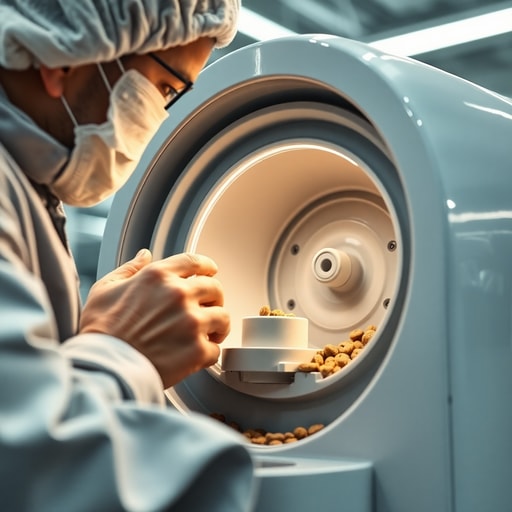
The biggest myth in the pet tech space is that you can simply pick a model from a trade show catalog, slap your logo on the box, and watch the FBA sales roll in. You cannot. If you are wondering how to white label gravity feeder for Amazon seller success in 2026, understand this first: your customers are not buying a plastic bin; they are buying a promise that their pet will be fed while they are away. When that promise breaks—and it will, if you haven’t vetted the internal architecture—your brand dies in the reviews section.
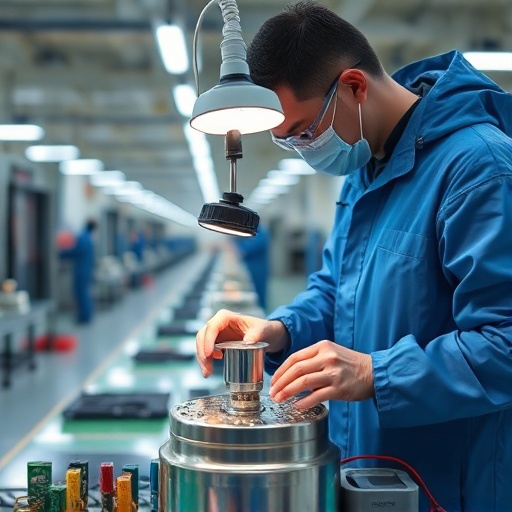
Sourcing in the Pearl River Delta is a sensory experience that rarely makes it into the digital brochures. You walk onto the factory floor and the air smells like ozone and heated polycarbonate. You hear the rhythmic, high-pitched whine of the auger motor testing station. If you listen closely, you can hear the difference between a high-torque, long-life motor and a cheap unit that will burn out in three months. Most sellers never step foot in these facilities. They rely on “verified” badges on wholesale portals. That is a dangerous game.
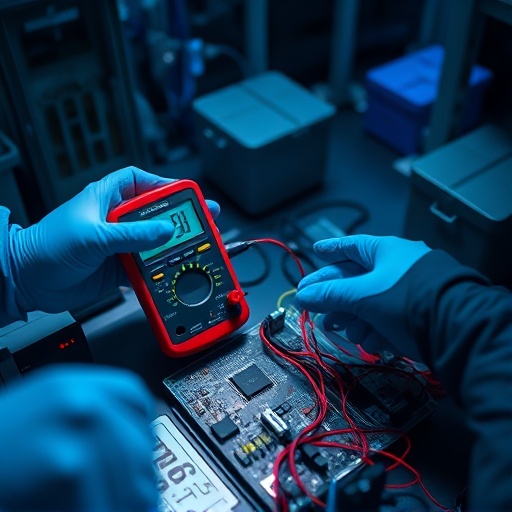
I have spent over a decade walking these lines, and I have seen too many “perfect” prototypes turn into container-loads of scrap metal. One specific failure haunts me: a high-end feeder that passed initial QC but failed in the field because the factory switched to a cheaper, unshielded WiFi module mid-production. The result? Thousands of feeders disconnected from the cloud every time a microwave was turned on. The seller lost their account health in weeks. You must demand an immutable Bill of Materials (BOM) from your partner. If the factory won’t guarantee that the components in your pilot run match the bulk production, walk away.
My contrarian take on the current market? Stop chasing “smart” features. Everyone wants a camera, a voice recorder, and an AI-driven weight sensor. Yet, every added layer of software is another point of failure. A simple, reliable feeder that dispenses kibble consistently is infinitely more valuable than a feature-bloated gadget that locks up after an app update. Focus your white-labeling efforts on mechanical reliability—the auger design, the anti-jamming torque, and the power safety protocols.
When you Explore DDPark Smart Pet Product Catalog, look for the engineering behind the hopper. We prioritize the “auditory profile” of the feeder during the design phase. A feeder that clicks or grinds in the middle of the night will lead to a return, regardless of how many bells and whistles it has. We stress-test our units in sound-dampened chambers because I know that a quiet home is a happy home.
Transparency is the only currency that matters in this industry. When you are learning how to white label gravity feeder for Amazon seller projects, you need to ask about the “yield rate drift.” This is the subtle decline in quality that happens when a factory tries to speed up production. You want a partner who maintains the same rigorous testing standards on unit 5,000 as they did on unit 1. You can Learn more about DDPark 10+ Years Manufacturing Expertise to see why we refuse to compromise on the PCB assembly process.
Firmware stability is the hidden killer of Amazon brands. If your feeder “bricks” during a remote update, you aren’t just dealing with a return; you are dealing with a customer who no longer trusts your brand. We utilize the ESP32 module as our baseline precisely because it offers the stability that generic chips lack. It’s a small detail, but it is the difference between a long-term business and a seasonal cash-grab.
You are building a reputation, not just a SKU. The 2026 Amazon climate is unforgiving for brands that cut corners on safety certifications like UL or FDA compliance. Getting these wrong will get your listing pulled before you even hit your first peak season. If you are ready to move past the “pick and ship” mentality and build a product that actually lasts, Request a Free OEM Quote from DDPark. Let’s build something that survives the scrutiny of real-world pet owners.
Frequently Asked Questions
Q: What is the most common cause of negative reviews for white-labeled smart feeders?
A: The most frequent complaints stem from unstable firmware and WiFi connectivity issues. Even if the hardware looks premium, a cheap WiFi module or poorly optimized software can lead to meal scheduling failures, which destroys Amazon seller ratings.
Q: How does a pilot run impact the quality of my gravity feeder?
A: A pilot run is essential to identify “yield rate drift,” where quality fluctuates between the first prototype and mass production. It allows you to stress-test components like the auger motor and connectivity before committing to a full container order.
Q: Why should I care about the PCB supplier for my white-label feeder?
A: The PCB is the brain of the feeder. Many manufacturers cut costs here, leading to early hardware death. Opting for high-quality components, such as the ESP32 module, ensures long-term reliability and reduces the risk of “bricking” during firmware updates.
Work with DDPark
CE FCC RoHS certified, stable Tuya connectivity, battery backup protection, custom logo and packaging
Ready to Start Your OEM Order?
Contact our B2B team today for pricing, MOQ, and custom branding options.