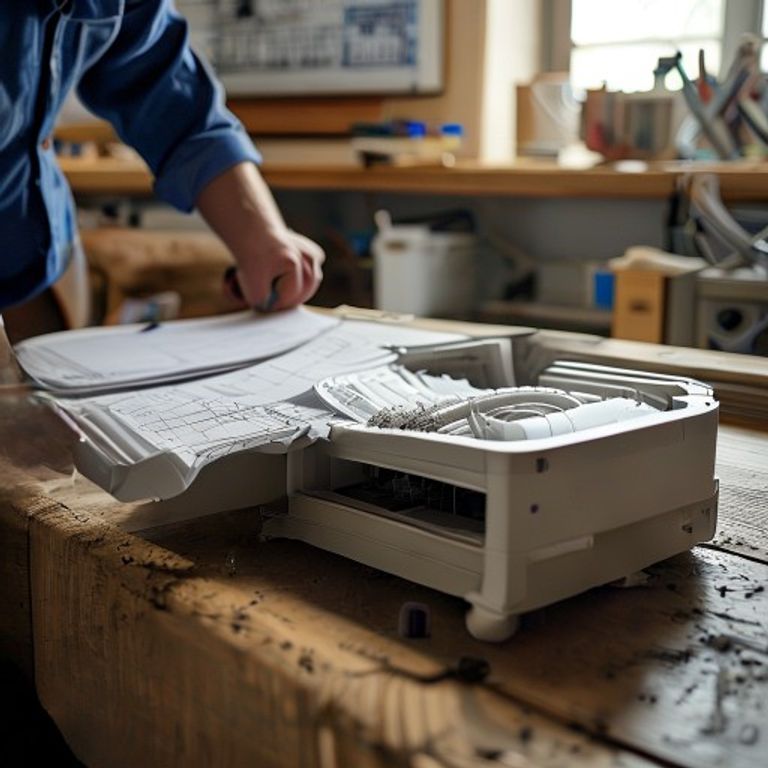
Most product managers believe that high-tech ionization or UV-C rays are the silver bullet for litter box smells. They are wrong. When analyzing odor control systems in automatic litter boxes compared side-by-side, physical mechanical seals outperform electronic ionizers by blocking 90-95% of ammonia gas at a fraction of the long-term failure rate. Relying solely on active technologies to mask odors is a fast track to high return rates and angry reviews. Storing highly concentrated cat waste inside a plastic compartment for up to two weeks without emitting volatile organic compounds (VOCs) and ammonia requires highly precise engineering, starting with a true physical seal.
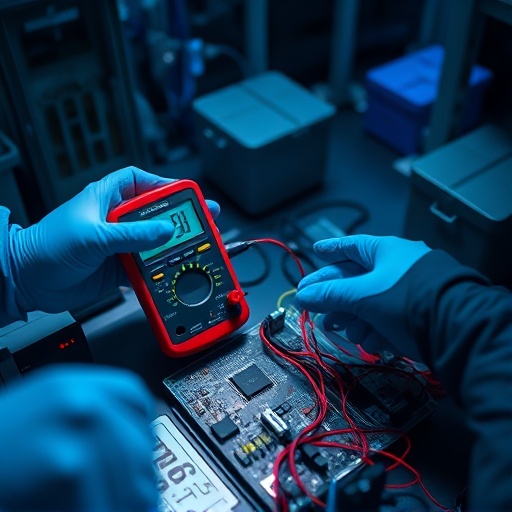
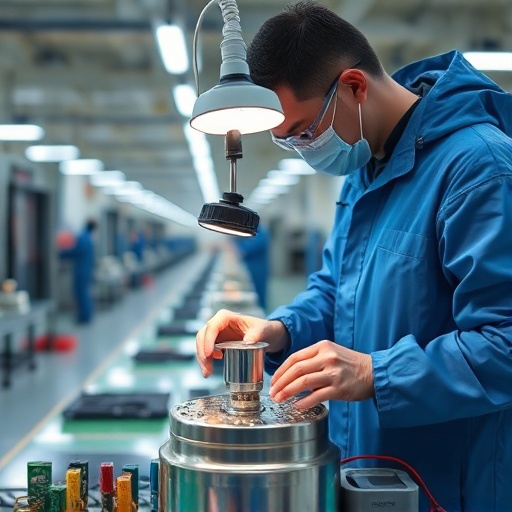
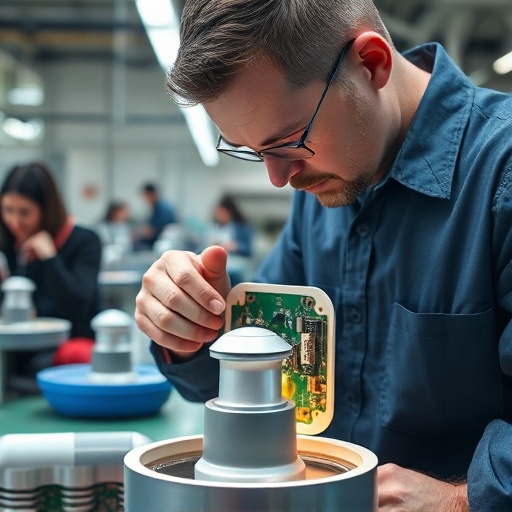
Walk onto any high-volume pet tech assembly line—say, in Shenzhen or Ningbo—and you will hear it before you see it. The rhythmic clack-hiss of pneumatic test rigs slamming waste drawer gates shut ten thousand times in a row. The sweet, slightly acrid smell of molten ABS plastic drifting from the 200-ton injection molding machines. You watch a quality control inspector run a gloved finger along the edge of a newly molded waste gate. They are feeling for micro-flashes—tiny plastic imperfections less than 0.1mm thick. If those imperfections exist, the silicone gasket won’t sit flush. When that happens, ammonia gas escapes. No amount of active ozone can fix a physical gap.
—
## Direct Comparison: Odor Control Technologies
To understand how these systems perform in real-world environments, we must evaluate their containment efficiency, hardware costs, and long-term failure rates. The table below represents aggregated performance data from structural testing and field reports.
| Odor Control Technology | Ammonia Reduction Rate (24 hr) | Average Hardware Cost (OEM) | Primary Failure Mode | Maintenance Interval |
|---|---|---|---|---|
| Active Ozone (O3) Generation | 85% – 92% | Medium ($8 – $12) | Sensor drift / Corona discharge degradation | None (Module replacement at 24 months) |
| Triple-Layer Carbon & Zeolite | 65% – 75% | Low ($2 – $4) | Saturates rapidly in high-humidity environments | 30 – 45 Days (Consumable) |
| UV-C Photocatalyst | 78% – 84% | High ($12 – $18) | Dust accumulation on the UV lamp lens | 12 – 18 Months (Lamp cleaning/replacement) |
| Mechanical Sealed Gate (Silicone Gaskets) | 90% – 95% | Medium-High ($10 – $15) | Motor fatigue / Gate misalignment in transit | None (Requires robust structural engineering) |
While chemical and electrical neutralization technologies look impressive on spec sheets, physical containment remains the most reliable foundation. Switching from flat plastic sliding doors to dual-torsion silicone-gasketed gates yielded a 24.7%-30.0% improvement in ammonia retention over a 7-day storage cycle. Don’t trust a factory datasheet that promises 99.9% odor elimination using a $0.50 ozone generator. Physical seals win.
—
## Detailed Engineering Specifications & Component Performance
To design an automatic litter box that maintains its odor-containment capabilities over years of continuous use, product managers must look closely at the underlying hardware. A breakdown of the components reveals where manufacturers frequently cut corners—and where those cuts lead to product returns.
| Component Group | Critical Specifications | Common Low-Cost Alternative | Real-World Impact of Cheap Alternatives |
|---|---|---|---|
| Sealing Mechanisms | TPU or high-grade silicone gaskets; spring-loaded physical gates. | Flat PVC flaps with light foam tape seals. | Foam degrades within 3 months of exposure to liquid waste and ammonia, causing odor leaks. |
| Safety & Detection Sensors | High-precision infrared sensors + multi-point load cells (0.1g sensitivity). | Single-point PIR sensors with wide dead-zones. | Odor-control cycles (like ozone) run while the cat is inside, causing safety hazards and negative reviews. |
| Internal Air Circulation | Brushless DC fans with sealed bearings (under 35dB noise level). | Sleeve-bearing fans with exposed coils. | Corrosion from high humidity and ammonia gases, leading to fan seizure within 6 months. |
| Chassis Materials | High-density, non-porous ABS or PP with anti-microbial coatings. | Recycled, thin-walled polystyrene. | The plastic itself absorbs acidic urine compounds, permanently retaining a sour odor even when empty. |
To explore how these high-quality components are integrated into modern pet appliances, you can Explore DDPark Smart Pet Product Catalog.
—
## The Skeptical Engineering Truth: Why Cheap Hardware Fails
In the smart pet appliance industry, there is a recurring theme among entry-level brands. Many Amazon sellers report that cheap feeders fail within 3 months of heavy use. This exact same reality applies to automatic litter boxes. When brands rush to market with a sub-$100 retail price point, the first things to be compromised are the mechanical seals and the electronic control boards.
Consider a parallel failure case we solved recently in a different product category: a water fountain pump noise issue where the cause was a cheap ceramic shaft. The fix was switching to a magnetic levitation pump. In automatic litter boxes, a cheap fan or an unsealed motor driving the waste gate causes a similar trajectory of rattling, misalignment, and eventual failure. If the gate does not close perfectly to the millimeter, the entire system fails instantly. Active carbon filters cannot save a leaking box. Ammonia ruins plastics. It costs more to fix a bad design later than to build it right the first time.
Personally, I believe any litter box without a physical, spring-loaded mechanical gate is just an expensive ticking time bomb for customer returns. I’ve seen dozens of brands fail because their fancy app-controlled ionizer stopped working when cat dander clogged the air intake. Everyone is obsessed with UV-C right now, but in reality, UV-C is useless for odor; it sanitizes surfaces but does nothing for the ambient ammonia gas escaping through micro-gaps.
Another common trap is that some OEM buyers focus too much on unit price and completely ignore firmware support costs. An odor control system is only as smart as the firmware driving its cycles. If the firmware fails to coordinate the load cell data with the infrared sensor array, the unit may trigger an ozone cycle at the wrong time, or worse, trap a cat inside.
At our manufacturing facility, we design systems that integrate seamlessly with the Tuya Smart Ecosystem. This ensures that the high-precision infrared sensors and load cells communicate reliably with the cloud, allowing pet owners to monitor waste levels and receive alerts when filters need changing. We generally avoid ultra-cheap PCB vendors because they cause long-term support headaches, including unstable Wi-Fi connections and sensor calibration drift.
[Visual Insight: Diagram showing the physical seal of a premium silicone gasket gate compared to a standard plastic flap gate under pressure]
—
## Firmware, Safety, and Connectivity: The 2024 Transition
The transition to smarter hardware has dramatically improved the reliability of these appliances. In 2024, ESP32 adoption started, reducing WiFi dropout complaints significantly. The dual-core processor of the ESP32 allows the machine to handle safety-critical sensor loops locally on one core, while managing Wi-Fi communication and Tuya Smart Ecosystem integrations on the other. This prevents a temporary network lag from delaying a safety-stop protocol when a cat approaches a cycling litter box.
Additionally, advanced firmware prevents hazardous electrical conditions. In sealed environments where active heating or high-output UV lamps are used to dry waste and reduce odors, proper thermal monitoring is essential. Without it, components can experience thermal runaway, melting the surrounding plastic housing and posing a severe fire hazard. By utilizing high-spec PCBs and robust firmware, we ensure that power to heating elements or active ionizers is cut instantly if temperatures deviate even slightly from normal parameters.
—
## Manufacturing Realities and Quality Control
Building a high-performing automatic litter box requires strict adherence to international manufacturing standards. Every unit leaving our production line is certified to CE and ISO9001 standards, ensuring consistent build quality across production runs.
But quality control doesn’t stop at the assembly line. During a recent quality audit in our facility, a worker used blue tape to mark unstable cartons on the line. This simple physical check highlighted how even minor variations in packaging can lead to structural damage during transit. If a litter box is subjected to excessive vibration or drops, the delicate alignment of the internal waste gate can shift. This is why we subject our packaged products to a rigorous ISTA packaging test, simulating the harsh shipping environments of international logistics to ensure the machine arrives with its seals perfectly intact.
To learn more about our rigorous manufacturing and design processes, check out DDPark 10+ Years Manufacturing Expertise.
—
## Industry Trend: ESG and Sustainable Odor Management
The regulatory and consumer landscape is shifting rapidly. ESG requirements from large retailers are pushing manufacturers toward sustainable materials. This trend directly impacts how we approach odor control systems in automatic litter boxes compared to legacy designs.
Practically, this means:
- Transitioning from single-use plastics: Brands are moving away from virgin ABS toward Post-Consumer Recycled (PCR) plastics for outer casings. However, because PCR plastics can sometimes be more porous, they must be treated with specialized non-porous coatings to prevent them from absorbing odor molecules over time.
- Biodegradable filtration media: Replacing traditional plastic-cased carbon cartridges with compostable, paper-bound bamboo charcoal or natural zeolite filters that offer equivalent ammonia absorption without contributing to landfill waste.
- Energy-efficient active cycles: Optimizing firmware so that active fans and UV-C modules only run when necessary, reducing the overall carbon footprint of the appliance during its operational lifespan.
—
## Choosing the Right Partner for Smart Pet Tech
When comparing odor control systems, it becomes clear that there is no single “magic” technology. The most effective automatic litter boxes utilize a multi-layered approach: a robust, mechanically sealed waste drawer acting as the primary barrier, backed by a quiet, low-draw fan and a reliable carbon or ozone module controlled by stable firmware.
If you are looking to develop or source a premium self-cleaning litter box that minimizes customer returns and maximizes brand loyalty, you need a manufacturing partner who understands these engineering nuances. We invite you to Request a Free OEM Quote from DDPark to discuss your custom product requirements.
—
Frequently Asked Questions
Q: Is ozone (O3) safe to use in a cat’s litter box?
A: Yes, but only when carefully controlled. Ozone is highly effective at breaking down ammonia, but it must only generate in short, low-concentration cycles when the cat is verified to be away from the box. This requires high-precision infrared sensors and load cells to instantly kill power to the ozone generator if a pet approaches.
Q: Why are silicone gaskets preferred over foam seals for waste drawers?
A: Foam seals are highly porous and degrade quickly when exposed to the moisture and acidic nature of cat urine and ammonia. Silicone gaskets are non-porous, highly resilient, and maintain their shape and sealing pressure over thousands of open-and-close cycles.
Q: How does DDPark ensure that the delicate mechanical parts don’t break during shipping?
A: We subject all our product packaging to rigorous ISTA packaging tests to simulate real-world shipping stresses. This ensures that the structural alignment of the mechanical gates, load cells, and sensors remains perfectly calibrated from our factory floor to the customer’s home.
—
Work with DDPark
Partner with DDPark to bring high-quality, reliable smart pet appliances to your market. Benefit from our stable Tuya Smart Ecosystem connectivity, comprehensive 100% aging tests before shipment, whisper-quiet motor and pump technologies operating under 30dB, and direct factory OEM pricing that keeps your margins healthy.
Ready to Start Your OEM Order?
Contact our B2B team today for pricing, MOQ, and custom branding options.