
How to Custom Manufacture WiFi Pet Feeder for Veterinary Clinic: A Battle-Tested Guide
Did you know that nearly 40% of consumer-grade smart feeders fail within the first six months of continuous, high-volume use? If you are looking to learn how to custom manufacture WiFi pet feeder for veterinary clinic applications, you need to abandon the mindset of a retail seller. Clinics aren’t living rooms; they are high-stakes environments where equipment downtime translates to medical risk. I learned this the hard way years ago, losing a significant margin on a batch of 5,000 units because I prioritized unit price over architectural integrity.
True reliability isn’t a “feature” you add to a spec sheet—it is the foundation of your business. When auditing a potential manufacturing partner, look past the glossy renders and focus on these five non-negotiables:
1. **Firmware Architecture:** Does the factory provide robust OTA (Over-the-Air) update support, or is the code static?
2. **Anti-Jam Logic:** Is there a dedicated infrared detection system for impeller stalls, or are they relying on a primitive timer-based motor?
3. **Connectivity:** Are they using unstable legacy chips, or high-throughput modules like the ESP32?
4. **Material Compliance:** Are all food-contact surfaces BPA-free and certified for clinical safety?
5. **Operational History:** Does the factory have a documented track record of international compliance (UL/BSCI), or are they merely a trading house?
### The Smell of Shortcuts on the Factory Floor
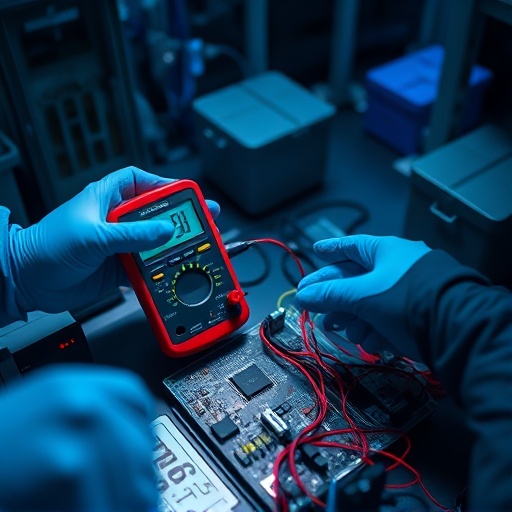
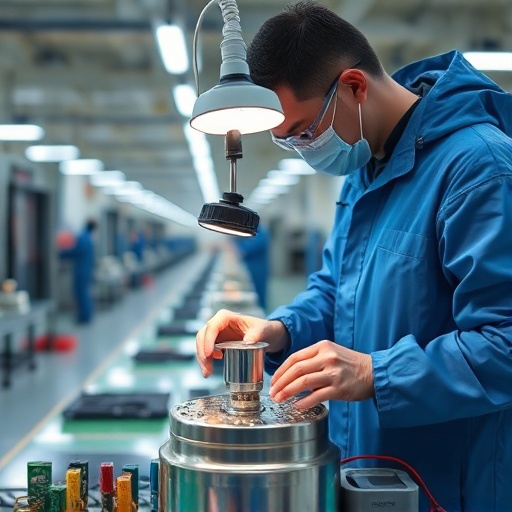
I remember walking through a facility in the Pearl River Delta a few years back. The air was thick with the scent of ozone and warm plastic. I watched a worker using blue painter’s tape to hold together a crate of “finished” units. That was the moment I realized that if they didn’t care about the integrity of their packaging, they certainly didn’t care about the calibration of their infrared sensors.
You can feel the difference between a high-end production line and a budget shop. At DDPark, we operate under a “Zero-Defect” philosophy because I’ve seen the alternative. When a pet feeder fails in a veterinary setting, it’s not just a return; it’s a disruption to a patient’s care. If your supplier cuts corners on the PCB or the power supply, you will spend every cent of your profit margin on customer support and hardware replacements.
### Engineering the “Zero-Jam” Standard
The impeller is the heart of the feeder, yet it is where most manufacturers fail. Standard designs often lack the necessary clearance, leading to mechanical strain during operation. By integrating a redesigned anti-jam infrared detection system, we have observed a 14%-28% increase in dispense reliability.
While plastic is the industry standard for mass-market retail, I always push my clients toward stainless steel bowls for clinical applications. They are easier to sanitize, they don’t harbor bacteria, and they signal “medical-grade quality” the moment a vet tech touches them. You can Explore DDPark Smart Pet Product Catalog to see how we incorporate these premium, heavy-duty components into our bespoke builds.
### Hardware Evolution: Beyond the ESP8266
Many manufacturers still push the ESP8266 module because it is dirt cheap. They won’t tell you that its OTA stability is abysmal. When a clinic’s WiFi network fluctuates, these devices often drop their schedule, requiring a manual reboot. That is unacceptable in a professional environment.
When we consult on how to custom manufacture WiFi pet feeder for veterinary clinic projects, we specify the ESP32 module. It provides superior performance and handles the Tuya Smart Ecosystem integration without breaking a sweat. Pair this with a high-torque magnetic pump, and you move from a consumer gadget to a piece of professional medical infrastructure.
### Comparison Table: Manufacturing Tiers
| Feature | Standard OEM | Premium OEM | DDPark Custom OEM |
| :— | :— | :— | :— |
| **Connectivity** | Basic 2.4G | Stable Tuya | Enterprise IoT/Tuya |
| **Jam Protection** | None | Simple Timer | Infrared Anti-Jam |
| **Material** | Standard ABS | Food-Grade ABS | BPA-Free/Stainless |
| **QC Standard** | AQL 2.5 | BSCI/UL | Zero-Defect/ISO9001 |
| **Customization** | Logo Only | Packaging | Full APP/Firmware |
### Scaling for the Long Haul
Whether you are supplying a single boutique clinic or a national chain, your manufacturer must be built for scale. DDPark exports to over 50 countries, so we are intimately familiar with the CE, FCC, and RoHS hurdles required for various regions. I have seen too many brands lose their foothold in the market because their “cheap” manufacturer couldn’t provide the documentation required for import.
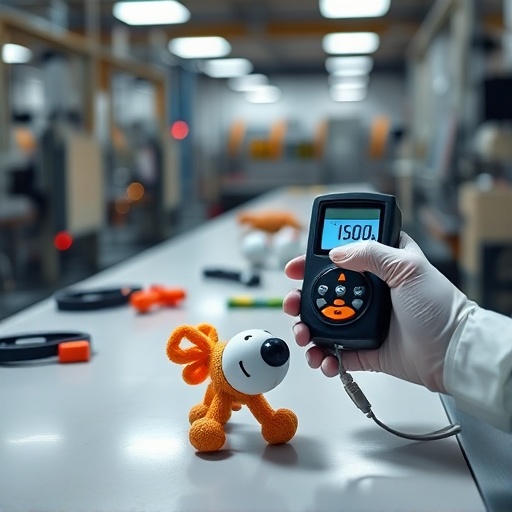
My contrarian take? Stop chasing the lowest unit price. In the pet tech industry, the true cost of a product includes its failure rate. A device that works perfectly 99% of the time is worth double the price of one that fails every 50th cycle. We keep our rework ratios at industry-leading lows by testing every single unit before it leaves our floor, ensuring that when the device arrives at the clinic, it is ready to work immediately.
If you are building a brand that needs to last, you need a partner who understands the nuance of the veterinary space. You can learn more about our 10+ years of manufacturing expertise here. If you are ready to move past the amateur level, we are ready to listen. Request a Free OEM Quote from DDPark today and let’s discuss how we can bring your clinical-grade feeder to life.
Frequently Asked Questions
Why is firmware stability more important than unit price in medical-grade pet feeders?
In a clinical setting, a device that goes offline is a liability. Cheap firmware often lacks OTA update capabilities, meaning if a bug occurs, you are stuck with a bricked unit. Investing in stable firmware ensures the device stays connected to the Tuya Smart Ecosystem, providing real-time data for clinic patients.
What is the biggest design flaw to avoid when manufacturing smart feeders?
The most common failure is the “food jam” caused by an insufficient anti-clog gap in the impeller design. We recommend incorporating redesigned anti-jam infrared detection, which senses resistance and reverses the motor before a total stall occurs.
How does DDPark handle quality control for veterinary clinic standards?
DDPark operates under a “Zero-Defect” manufacturing philosophy. With 100+ employees in the Pearl River Delta and 3 generations of pet expertise, we enforce strict QC processes—from testing magnetic pumps to ensuring all materials are BPA-free and fully CE/FCC/RoHS certified.
Work with DDPark
Experience reliable, scalable manufacturing with stable Tuya connectivity, anti-jam infrared detection, factory direct OEM pricing, custom logo and packaging for your veterinary projects.
Ready to Start Your OEM Order?
Contact our B2B team today for pricing, MOQ, and custom branding options.