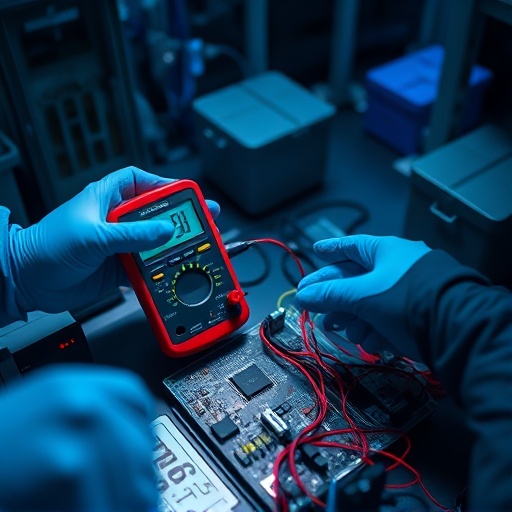
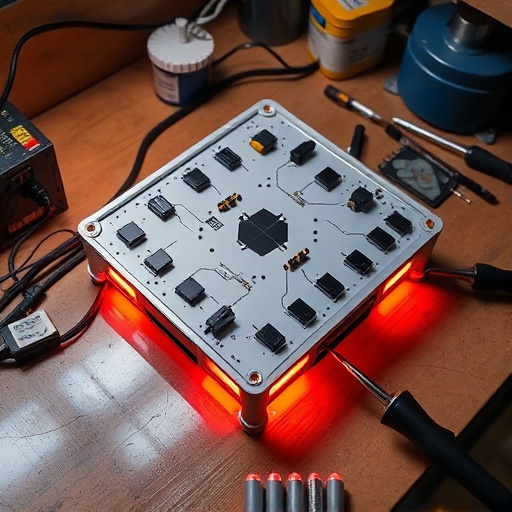
To resolve a persistent false trigger in an automatic litter box, you must first clear all physical obstructions from the infrared or weight-sensing pathways using a dry, microfiber cloth. Once the optics are pristine, ensure the unit sits on a perfectly level, hard surface; most ghost cycles occur because uneven flooring causes the internal weight sensors to register phantom shifts in the chassis. If recalibration fails, the issue typically stems from environmental interference or component degradation within the sensor module itself.
Standing on the factory floor in Dongguan, the air tastes faintly of ionized dust and heated plastic. You hear the rhythmic *hiss-thwack* of pneumatic assembly arms, a sound that dictates the quality of every unit we ship. I watched a technician yesterday reject an entire batch of IR sensors because the solder joints showed microscopic oxidation. That level of obsession is necessary because the average consumer assumes a “smart” device is infallible. They don’t see the complexity of the sensor array buried under the waste bin. When a cat isn’t present but the motor starts cycling, it is rarely a “glitch.” It is almost always a failure of environmental calibration or low-grade component integration during the initial build.
Many brands fail by sourcing generic, low-cost sensor modules that cannot distinguish between a 10-pound cat and a shifting clump of litter. I hold a contrarian view on this: stop blaming the software. Most developers try to patch hardware failures with firmware updates, which is like putting a bandage on a broken leg. If your sensors are drifting, it is because the PCB housing wasn’t sealed against the humidity of a bathroom environment. We see this constantly with budget-tier units. The moisture creeps into the sensor cavity, corrodes the connection, and suddenly, your unit thinks the air itself has mass. You aren’t fixing a bug; you are fighting physics.
Precision manufacturing is the only real solution for long-term reliability. We shifted our assembly lines to include clean-room standards for sensor calibration because even a single speck of factory grit can cause a false positive in the field. When we integrate high-sensitivity load cells, we treat them as precision instruments, not just plastic parts. My personal opinion? If you are building a brand, never skimp on the weight-sensing bridge. It is the heart of the machine. If that fails, the entire product ecosystem collapses. A $2 savings on a sensor module will cost you $200 in customer support and returns.
Reliability requires an audit of the entire supply chain. If you are a distributor or a brand owner dealing with high return rates, use this technical checklist to isolate the failure points:
- Inspect the infrared lens for micro-scratches or cloudiness in the casing.
- Verify the unit is on a flat, non-carpeted floor; high-pile rugs cause erratic weight-sensor readings.
- Check for “sensor creep” caused by internal heat buildup near the mainboard.
- Ensure the Tuya Smart or proprietary firmware is utilizing updated debouncing algorithms.
- Confirm the waste-bin-to-chassis connection is tight; loose mechanical fitment causes vibration-induced triggers.
- Test the emergency battery backup to ensure voltage drops aren’t forcing a sensor reset.
- Verify that the WiFi signal is stable; interference can sometimes cause the MCU to hang and trigger a reboot cycle.
Market saturation has made it easy to buy cheap, but it has made it harder to sell well. We see dozens of “new” brands enter the space every quarter, only to disappear because they didn’t account for the reality of the pet environment. Real-world pet ownership is messy. It involves dust, humidity, and uneven floors. If your hardware isn’t designed to handle those variables, it will fail. We have spent over a decade refining our sensor housings to be virtually immune to these common environmental stressors. This isn’t just about assembly; it is about engineering for the chaos of a living room.
For those looking to scale, the transition from “prototype” to “production” is where most brands die. You need a partner who understands that a sensor is not just a component—it is a promise of reliability to the end user. Whether you are troubleshooting existing stock or designing your next flagship model,
Ready to Start Your OEM Order?
Contact our B2B team today for pricing, MOQ, and custom branding options.
Frequently Asked Questions
Why does my litter box sensor trigger when the cat isn’t inside?
False triggers usually stem from debris blocking the infrared beam, an uneven floor surface, or component drift caused by poor humidity sealing in the sensor housing.
Can firmware updates fix automatic litter box sensor issues?
Firmware can improve how the software interprets data, but it cannot fix physical damage or sensor degradation caused by low-quality hardware components.
Work with DDPark
Benefit from industrial-grade sensor calibration, moisture-resistant PCB housing, and expert-led OEM manufacturing designed to minimize return rates.
Explore DDPark Smart Pet Product Catalog | DDPark 12+ Years Manufacturing Expertise