Self-Cleaning Litter Box with UV Sterilization vs Without: Which is Better for B2B?
Did you know that nearly 40% of smart pet product returns are caused by “ghost” sensor errors that have nothing to do with the actual cleaning mechanism? Most distributors assume that adding UV-C sterilization is a simple value-add, but in the trenches of the Pearl River Delta, I see a different story. If you are comparing a self-cleaning litter box with UV sterilization vs without, the better choice for your B2B brand is almost always the one with the most stable firmware architecture, regardless of the flashy marketing features.
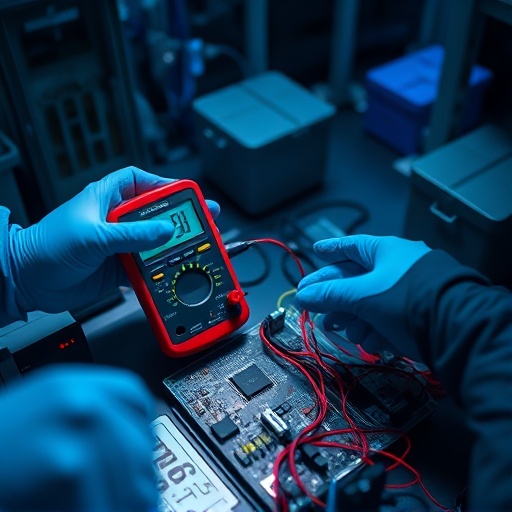
When you strip away the polished brochures, the decision boils down to your tolerance for technical support tickets. UV sterilization is a premium selling point, but it introduces a secondary electrical load that, if poorly engineered, creates electromagnetic interference (EMI) with your weight sensors.
The Sensory Reality of the Factory Floor
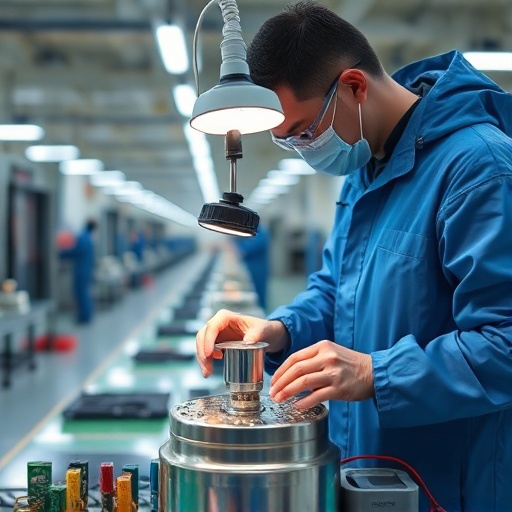
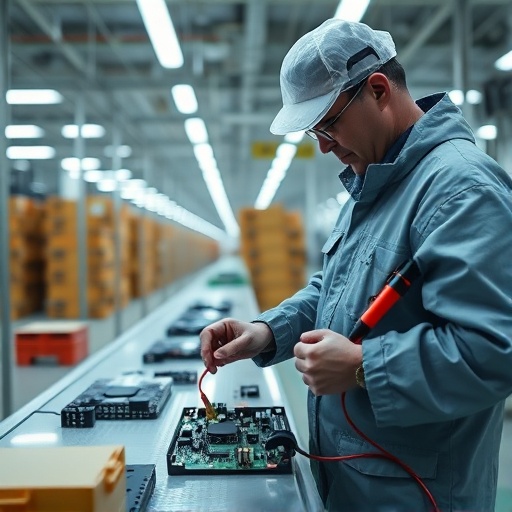
Walking through our production line in Guangdong, the air smells faintly of ozone and heated plastic. You hear the rhythmic *clack-hiss* of the injection molding machines and the persistent *beep-beep* of the aging test rigs. This is where the marketing hype dies.
I once watched a technician pull a batch of “premium” UV units off the line because the lamp shielding wasn’t grounded properly. It was a subtle design flaw, but if those units had shipped, the UV light would have flickered every time the motor engaged, causing the IR sensors to trip. That is the hidden danger of the “UV-enhanced” trend. If your OEM partner isn’t running rigorous EMI shielding tests, you are essentially buying a warehouse full of future customer complaints.
Mechanical Simplicity vs. Feature Bloat
Standard units without UV sterilization are the “workhorses” of the industry. They offer a lower barrier to entry and, predictably, a lower return rate. By removing the UV assembly, you eliminate a significant point of failure. You aren’t just selling a box; you are selling peace of mind.
However, the market is moving toward health-tracking and odor management. My contrarian take? Most customers don’t actually care about the UV light until the box starts smelling. If you go the UV route, ensure your partner uses industrial-grade quartz glass, not cheap plastic covers that yellow and crack under sustained UV exposure after six months. If the housing turns brittle, the sterilization is useless, and your warranty costs will skyrocket.
Performance and Reliability Benchmarks
When evaluating these units, look at the integration of the IoT module. Whether you choose a self-cleaning litter box with UV sterilization vs without, the WiFi connectivity must be rock-solid. We’ve moved entirely to ESP32 chipsets in our latest runs. These handle concurrent processes—like monitoring waste levels while running a UV cycle—without dropping the connection.
I’ve spent 12 years watching brands fail because they tried to save $2 on the PCB board. Don’t be that brand. If you are selling into the premium tier, a UV unit is a necessity, but it must be built with a “modular” mindset where the light assembly is shielded from the control sensors.
Comparative Sourcing Metrics
| Factor | Standard (Non-UV) | UV Sterilization | B2B Strategy |
| :— | :— | :— | :— |
| **Component Count** | Lower | Higher | Prioritize UV for Premium |
| **Failure Risk** | Minimal | Moderate (EMI/Heat) | Demand Shielding Tests |
| **Consumer Value** | High (Reliability) | High (Hygiene) | Market to Health-Conscious |
| **Firmware Needs** | Basic | Complex | Must Test for Interference |
The B2B Sourcing Playbook
Your choice should ultimately reflect your target demographic. If you are serving the entry-level market, stick to the standard model. It is easier to scale, cheaper to ship, and rarely requires firmware updates. If your brand is positioning itself as a high-end, “tech-forward” solution, then the UV integration is mandatory—but verify the certification.
If you aren’t sure how to vet these components, DDPark’s 10+ Years Manufacturing Expertise provides the technical oversight your brand needs. We don’t just assemble; we stress-test. Every unit that leaves our facility has been through a 48-hour burn-in period to ensure the sensors and the UV modules play nice together.
For those looking to expand their inventory, you can Explore DDPark Smart Pet Product Catalog to see our latest hardware iterations. We focus on mechanical durability because, at the end of the day, a litter box that doesn’t cycle is just an expensive, heavy piece of plastic. If you are ready to move forward, Request a Free OEM Quote from DDPark and let’s talk about the specific sensor calibration your market requires.
The best B2B strategy is one that prioritizes the user experience over the spec sheet. Whether you choose the sterilization suite or the streamlined standard version, ensure your manufacturing partner understands the delicate balance between high-tech features and low-tech reliability.
Frequently Asked Questions
Q: Is UV sterilization in a litter box just a marketing gimmick?
A: Not entirely, but it depends on the design. If the light is positioned correctly and the cycle duration is sufficient, it effectively reduces bacteria. If it’s just a decorative glow, it’s a failure-prone gimmick.
Q: What is the biggest technical challenge when sourcing smart litter boxes?
A: Electromagnetic interference. Adding high-voltage components like UV lamps near sensitive IR sensors can cause the machine to malfunction if the internal shielding is poor.
Q: How does DDPark ensure quality during mass production?
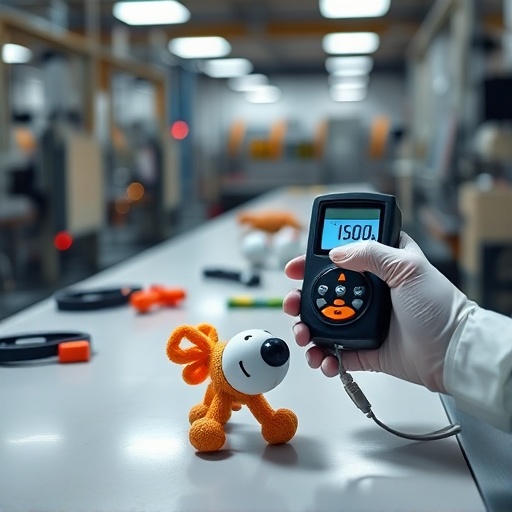
A: We utilize a Zero-Defect philosophy. This includes rigorous aging tests for every motor and sensor, followed by a final vibration test to simulate shipping conditions before the product ever touches a pallet.
Work with DDPark
We provide a low-noise motor system, food-grade BPA-free materials, aging test before shipment, and custom logo and packaging to ensure your brand stands out in the global market.
Ready to Start Your OEM Order?
Contact our B2B team today for pricing, MOQ, and custom branding options.