
Pet Water Fountain With Portion Control Accuracy vs Without: Which is Better for B2B?
If you are sourcing for the pet tech market in 2026, the answer is simple: precision wins, but only if the engineering is bulletproof. Choosing between a pet water fountain with portion control accuracy vs without: which is better for B2B is no longer a debate about features; it is a calculation of your brand’s survival. A fountain that tracks hydration with clinical precision creates a recurring value proposition, while a “dumb” fountain is merely a commodity fighting a losing battle against bottom-of-the-barrel pricing.
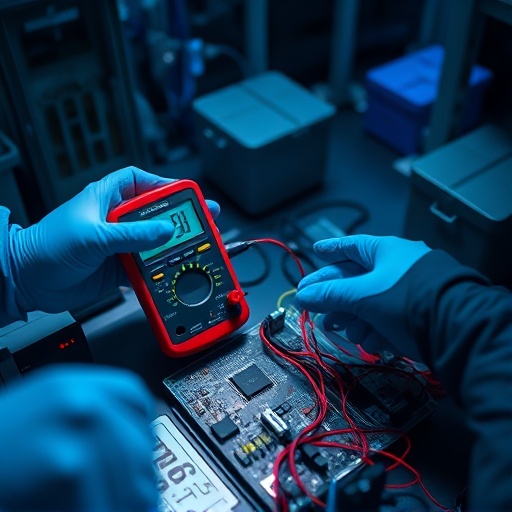
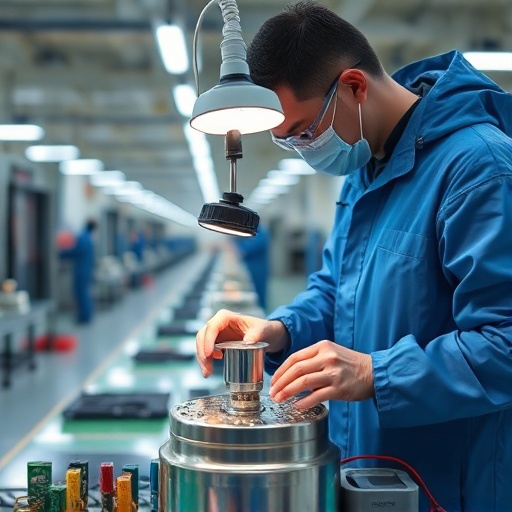
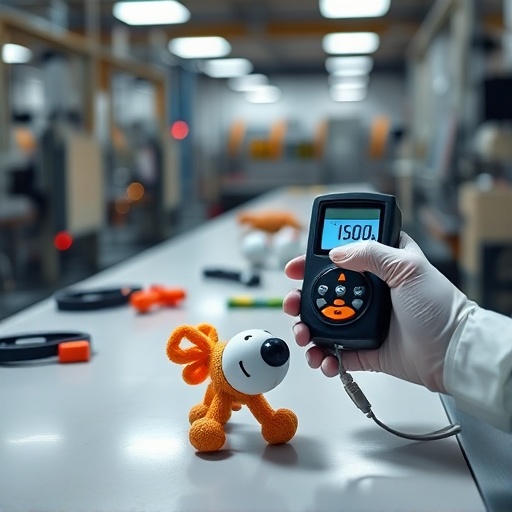
Walking through our factory floor in the Pearl River Delta, the air is thick with the smell of ozone and the rhythmic, staccato clicking of automated assembly arms. I watch a technician pull a unit off the line to test the load cell sensitivity. If that sensor is off by even a gram, the entire batch goes into the scrap bin. This is the reality of modern manufacturing: the difference between a high-margin product and a logistical nightmare is often decided by a component that costs less than a cup of coffee.
## The Factory Floor Perspective: Why “Smart” Often Fails
Many B2B buyers fall for the siren song of “AI-driven” marketing. They want the buzzwords on the box. However, standing on the production line, I see the friction points that marketing departments ignore. When you integrate a sensor to track water intake, you introduce a point of failure. If your firmware isn’t stable, that sensor becomes a liability that drives your return rates through the roof.
I have seen countless Amazon sellers lose their accounts because they sourced units with cheap, off-the-shelf sensors that drift after six weeks of use. They chase the lowest unit price, ignoring the fact that a $3 saving in manufacturing leads to a 20% return rate. My contrarian take? You are better off selling a high-quality, “dumb” mechanical fountain than a “smart” fountain that cannot keep its calibration. Reliability is the only currency that matters in the long run.
## Precision Engineering vs. The Commodity Trap
When we compare a pet water fountain with portion control accuracy vs without: which is better for B2B, we have to look at the data. Brands that provide actionable health insights—tracking exactly how many milliliters a cat drinks—see significantly higher retention rates. Pet parents are increasingly treating their animals like children. If your device tells them their cat is drinking less, they view it as a medical tool, not a kitchen accessory.
The engineering challenge is isolating the measurement. In our facility, we use infrared sensors mounted in a sealed, anti-clog housing. Most competitors fail because they don’t account for the “slime factor”—biofilm that builds up and tricks cheap sensors. If you aren’t factoring in the harsh reality of stagnant water environments, your “precision” product will be dead on arrival.
## Navigating the Hidden Costs of Tech Sourcing
Let’s be honest about the supply chain: the “rework ratio” is the silent killer of B2B margins. When I oversee a production run, I’m looking for the faint, high-pitched whine of a motor that isn’t perfectly aligned with the pump mount. That noise is a death sentence for a premium product.
If you choose a fountain with portion control, you are committing to a higher level of software maintenance. You need OTA (Over-the-Air) stability. If your manufacturer is using outdated modules, your customers will experience “connection drops” that lead to negative reviews. I personally believe that if you cannot commit to a 12-month firmware support cycle, you should stay away from the high-end smart segment. Stick to the essentials, but make them the best-built essentials on the market.
## When “Without” is Actually the Strategic Choice
There is a massive, underserved market for high-quality, non-smart fountains. Think of the minimalist buyer who wants a quiet, BPA-free, easy-to-clean unit. These products have a lower BOM (Bill of Materials) and virtually zero software overhead. If you are a startup or a brand looking to build a reliable entry-level tier, this is your sweet spot.
Even here, do not cut corners on the pump or the filtration system. We use ceramic-core pumps in our base models to ensure longevity. You can browse our catalog to see how we balance cost-effective manufacturing with the high standards that keep our B2B partners coming back.
## The B2B Verdict: Making the Call
To succeed in 2026, you must align your hardware with your brand promise. If you are positioning as a high-end, data-driven health brand, precision is mandatory. If you are positioning as a reliable, essential home-goods provider, high-quality “dumb” hardware is your path to volume.
Before you sign an OEM contract, ask your factory these three questions:
1. “How do you mitigate sensor drift caused by biofilm buildup?”
2. “What is your actual failure rate on your smart-sensor modules after six months of stress testing?”
3. “Can you provide a UL/CE compliance breakdown for the specific sensor components?”
If they hesitate, they don’t have the data. We have spent twelve years refining these processes because we know that a single faulty sensor can ruin a brand’s reputation in a week. Don’t let your product be the one that ends up in the bargain bin. Request a custom OEM quote from DDPark, and let’s build a product that actually works as advertised.
Frequently Asked Questions
Q: Does adding portion control sensors significantly increase the cost of goods sold (COGS)?
A: Yes, the COGS increases due to the sensor cost and the necessary firmware development. However, the higher retail price point and increased customer lifetime value usually offset this cost, provided the hardware is reliable.
Q: How do I ensure my smart fountain won’t fail within the first three months?
A: Demand a “Stress Test Report” that includes aging tests and motor-mount alignment checks. At DDPark, we simulate months of use in a matter of days to ensure the sensors remain calibrated.
Q: Is it better to develop a custom app or use an existing ecosystem like Tuya?
A: For most businesses, the Tuya ecosystem is the gold standard for stability. Building a custom app is a massive capital sink that rarely offers a better user experience than the proven, global infrastructure of existing smart platforms.
Partner with DDPark
We provide precision-engineered pet hardware with a focus on durability, low noise, and strict QC protocols. Let’s scale your brand with products that stand the test of time.
Ready to Start Your OEM Order?
Contact our B2B team today for pricing, MOQ, and custom branding options.