Automatic Pet Feeder with Odor Control vs Without: Which is Better for B2B?
If you are scaling a pet tech brand, does the inclusion of odor control technology actually move the needle for your bottom line, or is it just an expensive line item that complicates your supply chain? For most B2B buyers, the “automatic pet feeder with odor control vs without: which is better for B2B” dilemma is settled by looking at your target market’s tolerance for return rates. If you prioritize long-term brand equity, the odor-controlled model is almost always the superior choice, despite the higher upfront manufacturing cost.
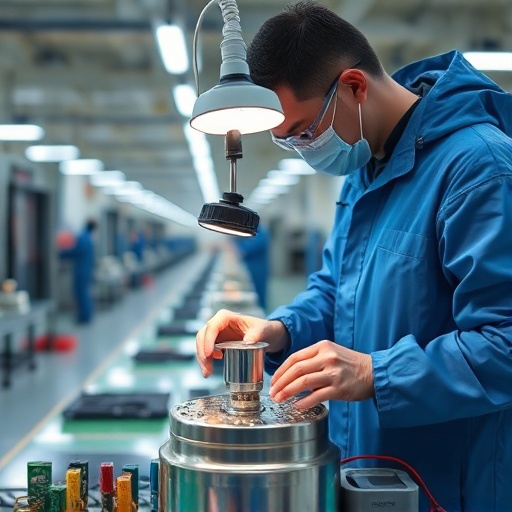
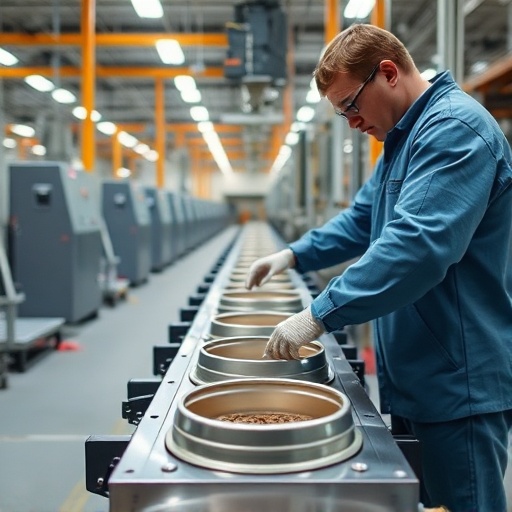
I have spent twelve years on the factory floor in the Pearl River Delta, watching product lines succeed and collapse. Standing on the line, the air smells of heated plastic and ozone. You can hear the rhythmic *clack-hiss* of pneumatic presses sealing hoppers. When you look at the assembly of a premium feeder, you see the difference immediately. It is not just the plastic; it is the precision of the gasket fitment. A budget unit without odor control is essentially a plastic bucket with a motor. A premium unit is an engineered climate-controlled vault.
The Sensory Reality of the Factory Floor
Walk through a tier-one facility, and you will notice the silence of a well-calibrated line. At DDPark, we test the airtight integrity of every hopper. If a unit lacks odor control, the manufacturing process is fast and forgiving. You snap the lid on, screw the motor housing in, and box it. However, once that unit reaches a humid apartment in Berlin or a hot summer in Texas, the kibble degrades.
Consumers complain about “stale food” or “unpleasant smells,” and your return rate climbs. Dealing with these returns is the silent killer of B2B margins. My contrarian take? Brands that skip odor control to save $1.50 per unit are essentially paying for their own future customer service nightmare. You aren’t just selling a feeder; you are selling a promise that the food inside remains as fresh as the day the bag was opened.
Critical Factors for Your Production Run
Before you sign off on a technical specification, look past the glossy brochures. These five factors dictate whether your feeder becomes a bestseller or a warehouse liability:
1. **Seal Integrity:** Does the lid utilize a silicone gasket, or is it a hard plastic-on-plastic fit? Hard plastic gaps are where your odor control strategy dies.
2. **Firmware Maturity:** Many generic controllers suffer from “ghost feedings.” Ask your supplier specifically about their interrupt handling in the code.
3. **Load Cell Drift:** Over six months, does the sensor calibrate correctly, or does it start dispensing inconsistent portions? This is where many “budget” brands lose their user base.
4. **Desiccant Integration:** Is the desiccant slot easily accessible for the user? If it is tucked behind a screw-down panel, the consumer will never replace it, rendering the feature useless.
5. **AQL Sampling:** Demand to see the AQL (Acceptable Quality Level) reports for the specific batch. If the factory refuses to share their failure rates on the motor’s torque, walk away.
The Hidden Cost of “Budget” Engineering
I once consulted for a brand that insisted on removing the advanced seal to shave off costs. They saved pennies but lost their Amazon Choice badge within three months. Why? The feedback loop was brutal. Users reported that the kibble lost its crunch and the feeder emitted a faint, oily smell that permeated the kitchen.
We eventually had to retrofit their inventory with an external odor-absorbing patch, which was a logistical disaster. At DDPark, we focus on smart pet product manufacturing that assumes the user is demanding. We treat the hopper as a sealed environment. When the motor engages, the seal must remain airtight to prevent oxidation. This requires a higher grade of ABS plastic and a more robust spring-loaded latching mechanism.
Market Positioning: Should You Go Premium?
| Feature | The Commodity Approach | The Premium B2B Strategy |
| :— | :— | :— |
| **Hopper Seal** | Loose-fit snap | Silicone gasket compression |
| **Odor Mitigation** | None | Activated carbon + desiccant |
| **Return Rate** | High (5-8%) | Low (1-2%) |
| **Market Segment** | Impulse/Budget | Repeat/Loyalty |
If you are building a brand meant to last, you need to align with the 10+ years of manufacturing expertise that ensures these components don’t just look good in a photo, but function flawlessly in a real home.
Final Thoughts on Scaling
My personal opinion? If you are a startup, don’t try to compete on price with the bottom-tier generic units. You will lose every time to companies with massive scale. Instead, compete on the “freshness” narrative. Use the odor control feature as your primary marketing hook.
When you are ready to move beyond generic white-labeling, request a custom OEM quote from DDPark. We provide the technical documentation, the QA reports, and the hardware stability that allows you to scale without the fear of massive product recalls. Focus on the engineering, and the market will reward your brand’s reliability.
Ready to Start Your OEM Order?
Contact our B2B team today for pricing, MOQ, and custom branding options.