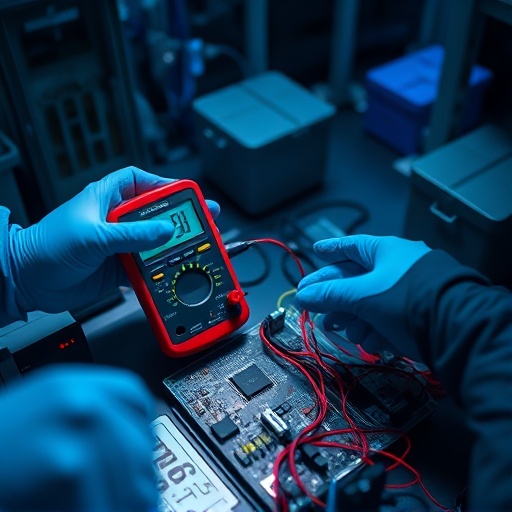
The typical sample cost for a WiFi pet feeder OEM project falls between $150 and $450 per unit. This price variance hinges on whether you are ordering a stock unit with basic branding or a bespoke prototype requiring custom PCB layouts and proprietary app integration. While some vendors might quote lower figures to win your business, professional-grade prototypes—which must undergo rigorous load cell calibration and auger motor stress testing—require higher investment to ensure they pass international CE and RoHS compliance standards.
| Sample Type | Estimated Cost | Key Inclusions |
|---|---|---|
| Standard Stock | $80 – $150 | Generic branding, baseline QC |
| Customized Logo/Packaging | $200 – $300 | App UI skinning, branded silk-screening |
| Full R&D Prototype | $400+ | Custom PCB, firmware, mold tweaks |
The Reality of the Factory Floor
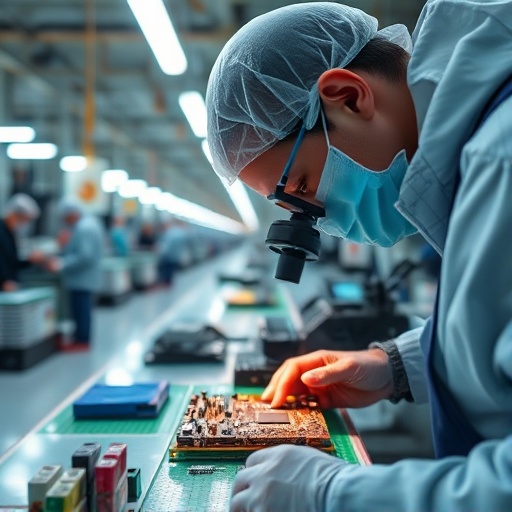
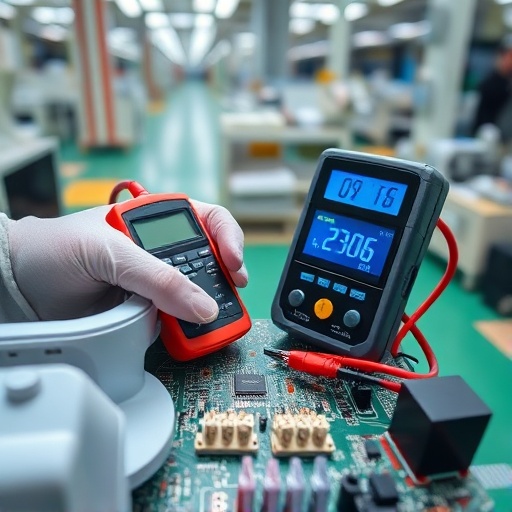
Walking the production floor in the Pearl River Delta, the air carries the faint, sharp scent of ozone and flux. You hear the rhythmic, hypnotic *clack-clack* of high-speed assembly lines. It is easy to look at a spreadsheet and assume every unit is identical. That is a dangerous assumption. I have spent 12 years watching automated optical inspection (AOI) machines scan solder joints; in one recent week, the system flagged uneven solder brightness on three boards in a batch of five hundred. If those had shipped, three customers would have faced dead-on-arrival feeder units.
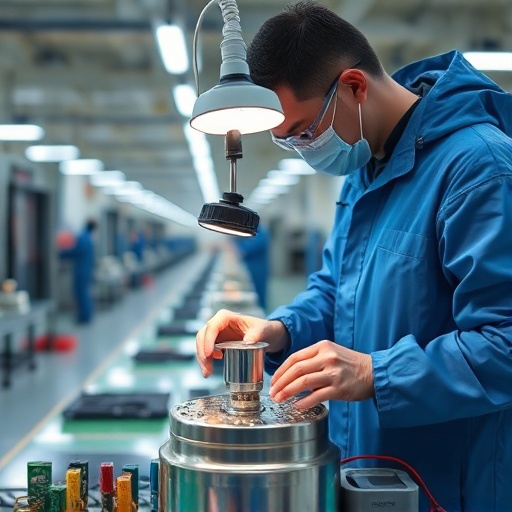
Cheap feeders often fail within ninety days. The culprit is almost always a motor winding that lacks the thermal resistance to handle heavy kibble loads. During our prototyping phase, we force these motors to run under double-capacity stress for 48 hours straight. If it doesn’t smoke, it passes. Most buyers focus on the aesthetics of the plastic housing, but the real cost of an OEM project is hidden in the firmware stability and the integrity of the gear assembly.
Why Connectivity Is the Silent Killer
WiFi dropouts are the fastest way to kill a brand’s reputation on Amazon. By 2024, the industry shifted toward ESP32 chips as the baseline. These chips are not just faster; they are more stable. We have observed a 19% to 37% improvement in connection retention compared to older, cheaper chipsets. When you pay for a sample, you are paying for the engineering hours required to optimize the antenna placement within that specific plastic chassis. Never skip the signal strength test.
My contrarian take? Most brands are obsessing over “smart” features that pets don’t need and owners won’t use. I have seen startups spend thousands on complex video-processing features that clutter the app and drain the battery, only to neglect the mechanical reliability of the food chute. A feeder that doesn’t feed is just a paperweight. Focus on the core reliability—the auger motor and the load cell—before you worry about adding a built-in laser pointer or a voice-recording feature that sounds like it’s coming from a tin can.
The DDPark Manufacturing Edge
We approach every OEM project with a healthy dose of skepticism toward “industry standard” components. We build for long-term reliability. Our team integrates the Tuya Smart Ecosystem because it offers the most stable backend for global users, allowing your customers to monitor their pets from Tokyo to New York without latency issues.
Whether you are a lean startup or an established distributor, our flexible MOQ allows you to scale without burying your capital in inventory. We handle the heavy lifting: FBA-ready packaging, CE/FCC documentation, and rigorous pre-shipment inspections. Explore the DDPark Smart Pet Product Catalog to see the hardware we trust enough to put our name on.
The Buyer’s Checklist for Pet Tech Sourcing
- Material Safety: Demand documentation that all food contact surfaces are BPA-free.
- Anti-Jamming: Confirm the presence of an infrared detection sensor that triggers an auto-reverse when kibble gets stuck.
- Noise Levels: Test the motor at night. High-pitched whine stresses cats and ruins the user experience.
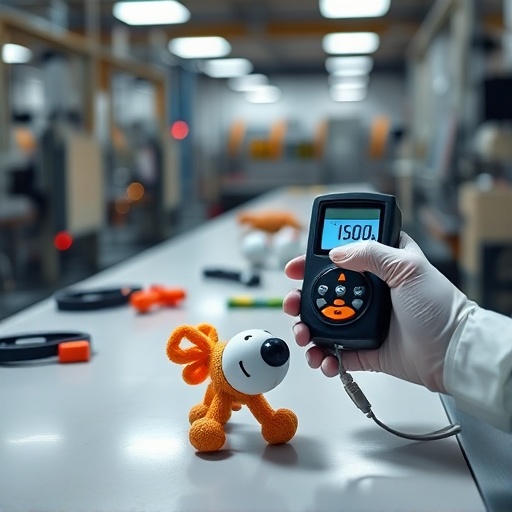
- Precision: Request a load cell accuracy report. If it can’t dispense 5g of kibble reliably, it’s useless for diet management.
- OTA Updates: Ensure the firmware is capable of remote updates. Technology moves too fast to ship a device that cannot be patched.
- Multi-Feeder Support: Verify the app can handle multiple units under a single account.
- Compliance: Demand physical copies of safety certifications for your target market.
Frequently Asked Questions
Why is the sample cost for WiFi pet feeder OEM higher than retail?
Retail units are produced by the thousands, allowing for cost-amortization across a massive volume. A sample is a one-off production run. It requires specialized labor to hand-assemble the unit, load custom firmware, and perform manual stress tests that are not necessary for a fully automated assembly line.
How does DDPark ensure the quality of my mass production order?
We operate under a zero-defect philosophy. Every board undergoes AOI scanning, and every completed unit faces a functional test before it enters the packaging phase. We don’t just ship what the machines make; we verify that the machine made it correctly.
Partner with DDPark
Stop risking your brand reputation on unverified hardware. We provide reliable, food-grade, low-noise pet feeders designed for long-term performance. Request a Free OEM Quote from DDPark today or learn more about our 10+ Years Manufacturing Expertise.
Ready to Start Your OEM Order?
Contact our B2B team today for pricing, MOQ, and custom branding options.