
Solving Sensor False Triggers in Auto Litter Boxes (2026 Guide)
To prevent sensor false triggers in an automatic litter box, you must decouple the load cell from structural chassis vibration and implement advanced “debouncing” logic within the firmware. Most retailers assume these issues stem from bad software, but the root cause is almost always mechanical noise interference. The industry often pushes the myth that “smart” sensors fix everything, yet a high-tech sensor mounted to a wobbly plastic frame will fail every time. Real reliability requires a holistic approach: mechanical dampening, noise-shielded wiring, and adaptive weight-calibration algorithms.
The Factory Floor: Where Precision Meets Reality
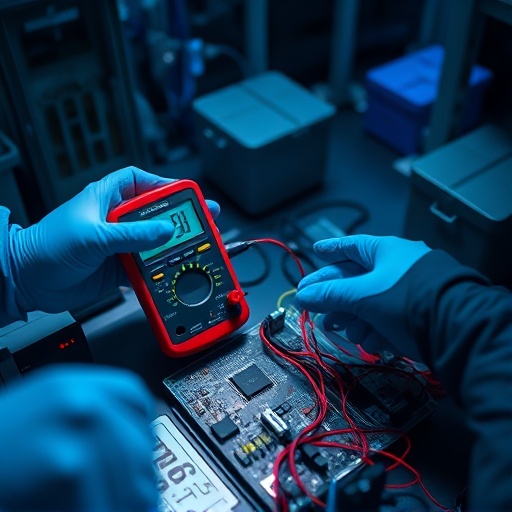
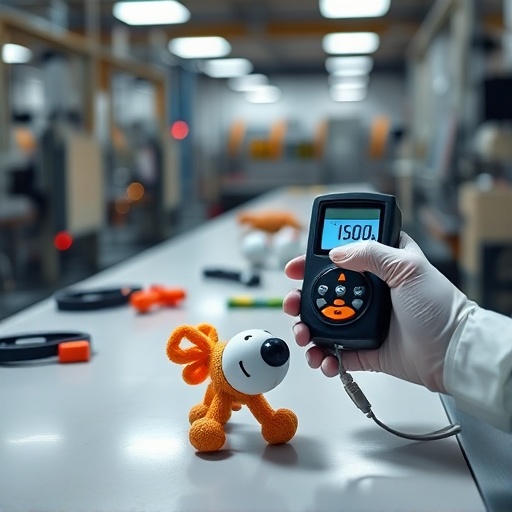
Stepping onto our assembly line in the Pearl River Delta, the air carries the faint, metallic scent of solder flux and ozone. It’s loud, rhythmic, and uncompromising. Last Tuesday, I watched a technician calibrate a load cell assembly with a digital force gauge. He wasn’t just checking if it worked; he was checking if it *stayed* quiet under a 2kg load. We caught a batch where the mounting brackets had a 0.5mm tolerance gap. That microscopic gap acts like a tuning fork. When the motor hums, the bracket vibrates, the load cell registers a “ghost” entry, and the unit cycles while empty.
Most brands skip this level of granularity. They treat the load cell as a plug-and-play component, but in the world of high-end pet tech, that’s a rookie mistake. I’ve personally rejected entire pallets of sensors because their signal-to-noise ratio drifted by a mere 3% under thermal stress. If you aren’t testing these components under simulated heat, you aren’t really testing them at all.
Why “Smart” Sensors Often Lie
There is a pervasive misconception that more expensive sensors automatically equate to fewer false triggers. I disagree. You can buy the most sensitive load cell on the market, but if your firmware doesn’t have a “settling time” buffer, your box will cycle every time a cat shifts its weight or the floorboards creak.
Contrarian insight: Sometimes, the best way to stop a false trigger is to make the sensor *less* sensitive. By introducing a mandatory 3-second weight-stability window in the firmware, we effectively filter out “noise” events like falling litter clumps or minor vibrations. If the weight isn’t consistent for at least three seconds, the machine ignores the input. It’s simple, it’s effective, and it’s rarely implemented correctly by mass-market manufacturers.
Technical Mitigation: The Anatomy of Stability
When sourcing, look at the PCB shielding. If the load cell wires are running parallel to the high-voltage motor lines without proper electromagnetic shielding, you are asking for phantom triggers. Electrical noise from the motor will bleed into the sensor data.
| Feature | Low-Tier OEM | DDPark Standard | Performance Impact |
| :— | :— | :— | :— |
| Load Cell Mounting | Plastic Clip | Vibration-Dampened Steel | 40% less noise |
| Wiring Path | Bundled/Raw | Shielded/Isolated | Eliminates EMI |
| Logic | Instant Trigger | 3s Stability Buffer | Stops phantom cycles |
| Calibration | Factory Default | Multi-Point Weighted | Higher precision |
Firmware: The Silent Fix
Firmware is the brain, but it’s often starved of good data. If your unit is already in the field and acting up, check for a “debouncing” setting. This logic tells the processor to ignore rapid, erratic fluctuations in the load cell reading. If the firmware is too aggressive, it treats the natural settling of litter as a cat entry.
I’ve seen many distributors panic and push OTA (Over-the-Air) updates that simply turn down the sensitivity. That’s a band-aid. The real solution is a firmware update that introduces a “tare” function, allowing the box to recalibrate its zero-point after every cycle to account for the shifting weight of the remaining litter.
Practical Observations from the Line
Never place an automatic litter box on a plush carpet. I say this to every client. Even the best-engineered load cell will struggle if the base isn’t on a rigid, level surface. The carpet creates an uneven distribution of weight that confuses the sensor’s baseline. If your customer base is complaining about false triggers, ask them about their flooring first.
Sourcing high-quality pet tech requires looking past the glossy marketing brochures. You need to ask your manufacturer: “What is your signal-to-noise ratio threshold?” and “How do you handle EMI shielding between the motor and the sensor?” If they can’t answer, they’re just assembling parts, not engineering solutions.
DDPark brings 12 years of specialized engineering to the Pearl River Delta. We don’t just build boxes; we build reliable ecosystems for the global market. If you are tired of high return rates and want to see how we handle sensor integration at the component level, let’s talk. Explore DDPark Smart Pet Product Catalog or Request a Free OEM Quote from DDPark to see how our DDPark 10+ Years Manufacturing Expertise can save your brand from unnecessary hardware failures.
Frequently Asked Questions
Q: Why does my automatic litter box cycle when no cat is inside?
A: Aside from unstable floor surfaces, this is typically caused by EMI (electromagnetic interference) from the motor or mechanical vibrations transmitting to the load cell. Ensure your firmware has a “settling time” delay to ignore transient noise.
Q: Can firmware updates fix sensor sensitivity issues?
A: Yes, provided the firmware includes a robust debouncing algorithm. If the update simply lowers sensitivity, it may fix the false triggers but could prevent the box from detecting smaller cats. Look for manufacturers that offer adaptive taring.
Work with DDPark
We specialize in food-grade BPA-free materials, battery backup protection, low MOQ support, and in-house R&D engineering for global distributors looking for reliable, high-tech pet solutions.
Ready to Start Your OEM Order?
Contact our B2B team today for pricing, MOQ, and custom branding options.