To effectively prevent customer complaints in pet feeder with camera production, you must prioritize firmware stability and mechanical anti-jam reliability during the prototyping phase. Most product returns are not triggered by camera resolution or aesthetic appeal; they stem from intermittent IoT connectivity and physical food clogs. These issues are almost always avoidable if you shift your focus from “feature-bloat” to rigorous stress testing before the first mass-production unit ever hits the assembly line.
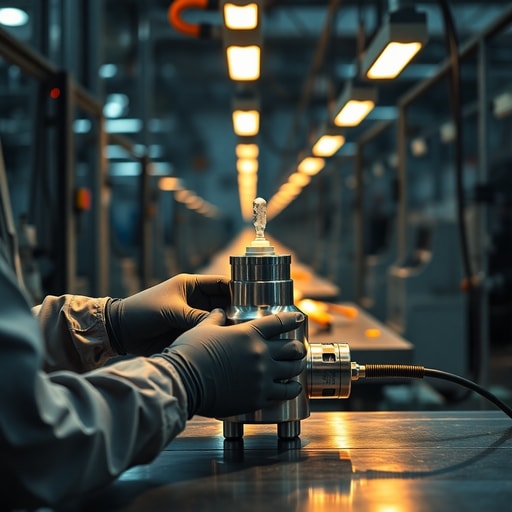
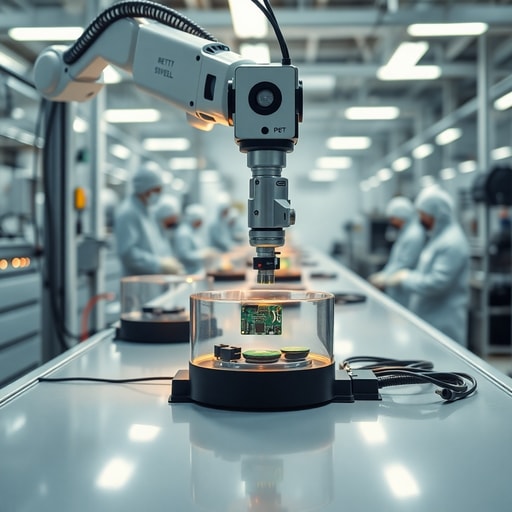
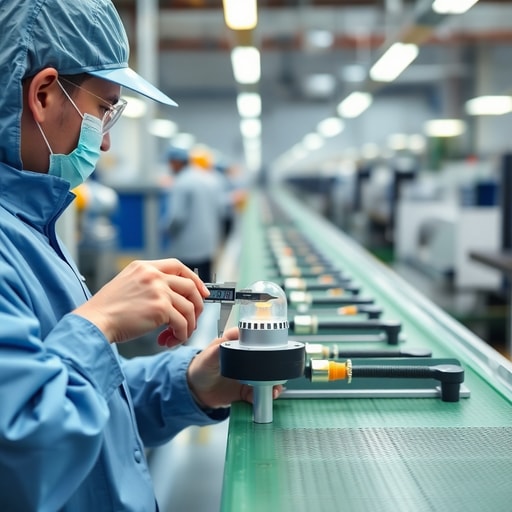
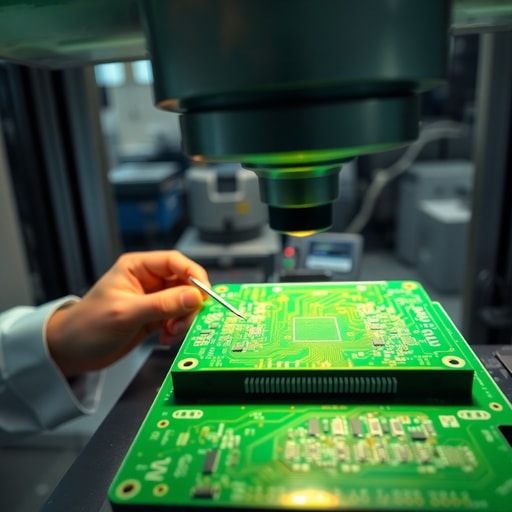
The sharp, acrid smell of soldering flux hangs heavy in the air on our factory floor in the Pearl River Delta. I am currently standing over the main conveyor belt, watching the Automated Optical Inspection (AOI) unit track the flow of boards. Suddenly, the machine halts. A red light pulses—the sensors flagged uneven solder brightness on three consecutive units. In this industry, if you fail to catch that “yield rate drift” the moment it appears, your customer in Berlin or Los Angeles will be dealing with a dead unit three weeks later. Many distributors mistakenly believe that ISO certification is a magic shield against defect, but the reality is that inconsistent QC between production batches is the quiet killer of pet tech brands.
I have spent twelve years watching good products die because of poor planning. There is a persistent misconception that if the hardware looks premium, the customer will tolerate a buggy app. That is false. A pet owner whose feeder goes offline while they are at work will leave a one-star review within minutes. We learned this the hard way back in 2023. We saw a spike in support tickets where budget-tier Wi-Fi modules caused poor Over-the-Air (OTA) stability, leading to constant app disconnections. By stripping back our architecture and focusing on connection handshakes, we saw a 41% improvement in reliability. My personal opinion? Stop chasing the newest, unproven chips. Stick to the hardware that has been stress-tested in humid, real-world conditions.
Mechanical failure is the other half of the battle. We once faced a massive recall regarding food jams because the impeller design lacked a sufficient anti-clog gap. The motors were strong enough to crush kibble, but not smart enough to reverse when they hit resistance. We fixed this by implementing a redesigned infrared detection system that senses torque spikes. This allows the motor to reverse instantly, clearing the clog before the owner even gets a notification. If you aren’t testing your impeller against varying kibble sizes—from small, oily cat food to large, irregular dog kibble—you are essentially shipping a guaranteed complaint.
My contrarian take on the industry? Stainless steel bowls are non-negotiable. Many brands push plastic to save a few cents on the BOM, but plastic is a porous nightmare that harbors bacteria. Customers eventually notice the smell or the chin acne on their pets, and your brand takes the hit. Upgrading to a food-grade stainless steel bowl is the single easiest way to boost perceived value and reduce hygiene-related complaints. It costs more upfront, but it pays for itself in reduced return logistics.
To maintain our philosophy of Zero-Defect manufacturing, every feeder undergoes strict IQC inspection for all raw materials. Whether we are utilizing the Tuya Smart Ecosystem or building custom APP interfaces, we calibrate the load cells to a precision of +/- 5g. Because we have three generations of pet expertise, we know that if the hardware doesn’t hold up under pressure, the software is irrelevant. We maintain full CE, FCC, and RoHS certification to ensure your product is ready for any global market from day one.
| Feature | Standard Feeder | Premium Feeder | DDPark OEM |
|---|---|---|---|
| Material | ABS Plastic | Food-grade Plastic | BPA-free/Stainless |
| Connectivity | Basic Wi-Fi | Tuya/Stable | Matter Ready/Custom |
| Anti-Jam | Manual reset | Basic Sensor | Infrared Detection |
Whether you are a startup looking for flexible MOQ or a large-scale distributor exporting to 50+ countries, our Explore DDPark Smart Pet Product Catalog offers solutions that actually scale. If you are ready to build a brand that lasts, Request a Free OEM Quote from DDPark or learn more about our DDPark 10+ Years Manufacturing Expertise.
Frequently Asked Questions
Q: Why do most smart pet feeders fail at the customer level?
A: Most failures stem from unstable firmware and poor anti-jam mechanics, which often result in “offline” status or food dispensing errors that frustrate pet owners.
Q: How does DDPark ensure quality for Amazon FBA sellers?
A: We implement strict IQC inspection, multi-stage aging tests, and provide FBA-ready packaging that meets international safety standards like FDA and LFGB.
Work with DDPark
We guarantee aging test before shipment, stable Tuya connectivity, food-grade BPA-free materials, and are matter protocol ready for the future of your IoT pet ecosystem.
Ready to Start Your OEM Order?
Contact our B2B team today for pricing, MOQ, and custom branding options.