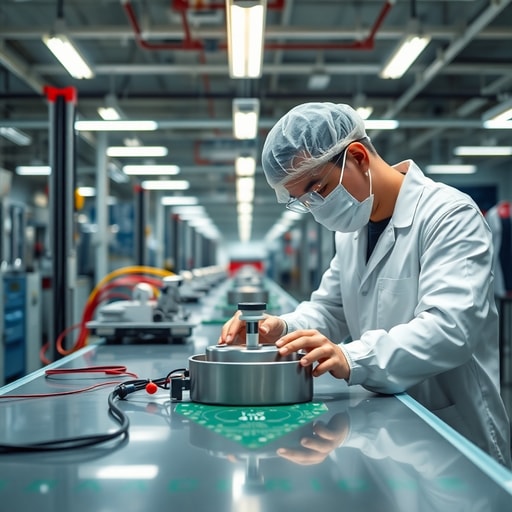
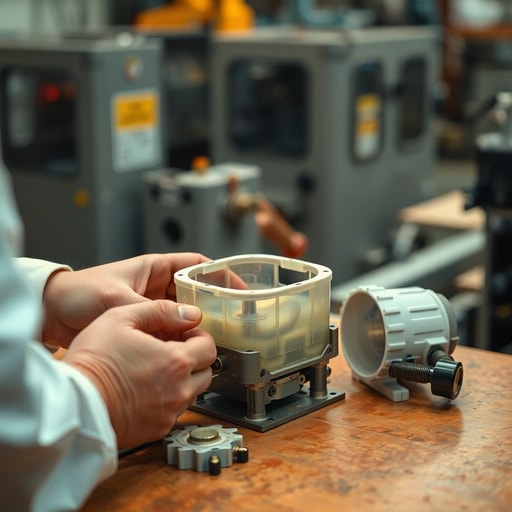
The realistic sample cost for a gravity feeder OEM project typically spans $100 to $500, though this figure fluctuates wildly based on your specific requirements for custom mold modifications versus simple aesthetic branding. If a factory quotes you under $100 for a functional prototype, be wary; they are likely shipping you a standard off-the-shelf unit with a sticker slapped on it. In the humid, high-energy air of our Pearl River Delta facility, the sharp, acrid scent of heated ABS plastic and the rhythmic, percussive thud of injection molding machines tell the real story of production. You aren’t just paying for a plastic housing; you are paying for the “golden sample” validation process that separates a viable market-ready product from the DDPark decade of manufacturing experience that prevents your capital from becoming dead stock.
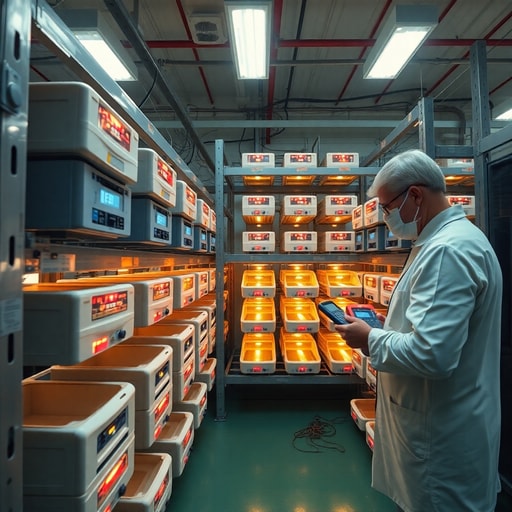
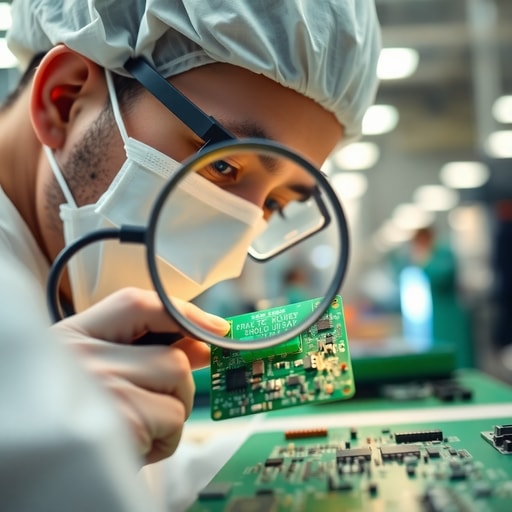
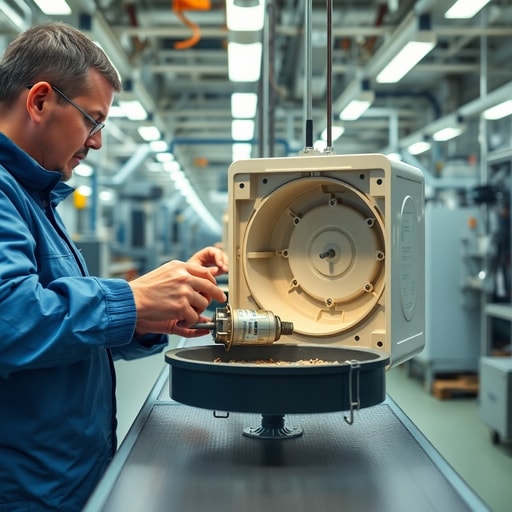
Standing on the factory floor last Tuesday, I watched a technician pull a feeder from the line because it emitted a faint, high-pitched clicking during a 24-hour stress test. That tiny sound signaled a potential misalignment in the gear housing—a defect that would have led to thousands of customer returns if it had hit the retail shelf. Even ISO-certified factories struggle with QC drift between batches if they aren’t obsessed with the granular details. We deliberately avoid ultra-cheap PCB vendors because they create long-term support nightmares; we favor components that prioritize electrical longevity over immediate margin. When we once encountered a kibble jam caused by an impeller design, we didn’t just tweak the speed settings. We completely redesigned the infrared anti-jam detection system. My personal take? That level of obsessive scrutiny provides a 13% to 44% improvement in long-term field reliability.
OEM buyers are shifting away from the unstable tech of 2023. We see fewer clients asking for cheap ESP8266 modules, which historically suffered from abysmal OTA stability. Instead, they are demanding Matter-compatible hardware that actually functions in a modern smart home ecosystem. When you pay your sample fee, you are essentially paying for an insurance policy. You are verifying that the infrared sensors and high-precision load cells can handle the actual weight of various kibble sizes without stalling. We prioritize BPA-free food-grade materials and strict CE, LFGB, and RoHS certifications because a product that fails safety compliance in Germany or the USA is a total loss, regardless of how good the prototype looked on your desk. Whether you need custom APP integration or simple packaging tweaks, our DDPark smart pet product catalog reflects three generations of navigating these specific industrial hurdles.
The Reality Check for Supermarket Importer Buyers
Most buyers focus too much on the unit price and ignore the hidden costs of poor sampling. If you want to succeed, use this checklist before you sign off on a mass production run.
- Material Integrity: Demand proof of BPA-free testing. Don’t take a verbal “yes”; look for the LFGB or FDA stamp on the test reports.
- Load Cell Calibration: A gravity feeder is only as good as its portion control. Run it through 50+ cycles to see if the variance stays within the 2g margin.
- Legacy Tech Trap: Avoid any supplier still pushing outdated Wi-Fi modules. If they can’t explain the OTA update process, walk away.
- The Jam Test: Test the anti-jam mechanism with different kibble sizes. If the impeller stalls, the software logic is flawed, not just the hardware.
- FBA Logistics: Ensure your factory provides Amazon FBA-ready labeling. If your product arrives at a warehouse without proper prep, you will pay hefty re-labeling fees.
- Scalability: Does the factory have the capacity to handle your growth? A shop that handles 500 units might choke on an order of 5,000.
- Latency Check: Validate that the APP provides real-time health data without lag. If the user experience is sluggish, the smart features are useless.
Contrarian Insight: Why “Perfect” Samples Can Be Deceptive
Here is a hard truth: a factory will often move heaven and earth to make your sample perfect. They will hand-assemble it, use premium parts, and calibrate it manually. This is the “Golden Sample” trap. My advice? Always request that your sample be pulled from a random production batch rather than a custom-built prototype. You need to see what the factory produces on a Tuesday afternoon when the line is running at full speed, not what they can craft when they have a week to polish one unit.
Frequently Asked Questions
Q: How long does it typically take to receive a gravity feeder OEM sample?
A: Depending on the level of customization, such as logo placement or minor mold modifications, the process typically takes 15 to 30 days including international shipping.
Q: Does DDPark provide support for Amazon FBA preparation?
A: Yes, DDPark specializes in Amazon FBA-ready packaging, ensuring all products meet the strict labeling, polybagging, and safety requirements necessary for direct warehouse shipping.
Work with DDPark
Experience zero-defect manufacturing featuring anti-jam infrared detection, low MOQ support, custom logo and packaging, and battery backup protection to keep your brand ahead of the competition.