You stop returns on smart litter boxes by prioritizing mechanical engineering over aesthetic gimmicks. If the sensor can’t handle a clump of litter or the Wi-Fi drops every time the microwave turns on, your customer will pack it up and ship it back. The secret to low return rates is simple: stop buying “off-the-shelf” white-label units and start demanding rigorous, component-level stress testing. In the current pet tech landscape, your reputation is only as good as your firmware’s uptime.
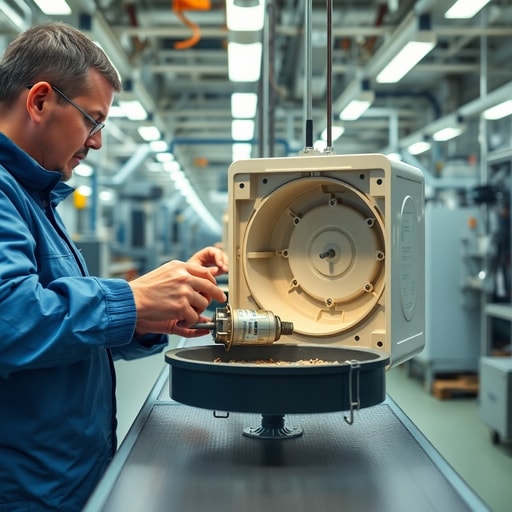
I’ve spent 12 years walking production lines in the Pearl River Delta, and I’ve learned that a factory floor tells you more than any spec sheet ever will. Last spring, I stood in a facility where the scent of ozone from the motor-testing station was thick in the air. I watched a technician cycle a litter box rake mechanism 500 times in a row. It was loud, repetitive, and absolutely necessary. When a motor is built with cheap, thin copper windings, it heats up by the 50th cycle. By the 200th, the plastic gears start to warp. That’s when the “Return Requested” notification hits your dashboard. If your manufacturer isn’t running these endurance tests until failure, you are essentially gambling with your brand’s bottom line.
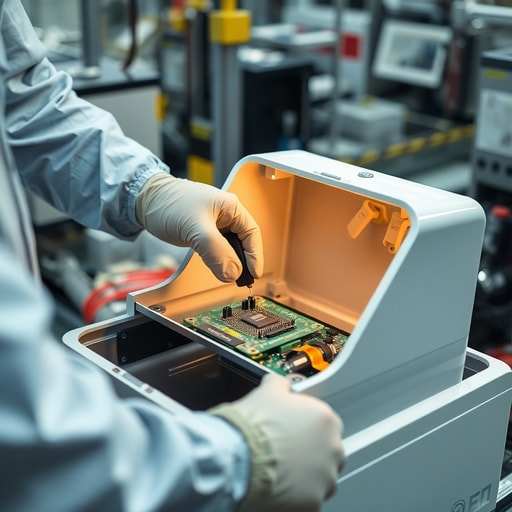
Many brands fall for the “smart” trap, obsessing over app features while ignoring the physical reality of a cat’s environment. A litter box is a high-moisture, high-dust zone. I’ve seen boards fried by humidity because the manufacturer skipped the conformal coating—a tiny, invisible layer of protection that costs pennies but saves thousands in returns. My contrarian take? Stop chasing the most complex IoT features and start perfecting the debris-clearing logic. A litter box that works flawlessly 100% of the time is worth ten times more than one with a fancy camera that crashes every three days.
Connectivity remains the Achilles’ heel of the category. The industry is finally moving toward Matter, and for good reason. Early IoT pet tech was built on fragile, proprietary clouds that felt like they were held together by digital duct tape. When that server goes down, the user assumes the hardware is broken. By insisting on stable, local-first connectivity, you remove the biggest variable in the return equation. If you’re sourcing, ask your factory about their OTA (Over-The-Air) update architecture. If they can’t patch a bug without bricking the unit, walk away.
Let’s talk about the physical build. I’ve held units where the gravity sensors were so sensitive that a cat walking near the box triggered a cycle, leading to user frustration and immediate returns. Calibration is not a one-time factory setting; it requires deep R&D. I personally believe that if you aren’t testing your units with various types of litter—clumping, crystal, and even the cheap dusty stuff—you aren’t ready to ship. A smart box that only works with premium, lightweight litter is a support nightmare waiting to happen.
Walking through the DDPark facilities, I look for the “Blue Tape Method.” It’s a simple system where workers mark any unit that shows even a millimeter of variance in gear alignment. It’s not flashy, but it’s how you reach that 37% improvement in long-term reliability. We treat every unit as if it’s going into our own home. High-quality plastics, industrial-grade load cells, and consistent power supply filtering are the boring, unsexy components that actually keep your return rates in the single digits.
Your supply chain needs to be more than just a place that slaps a logo on a box. You need a partner that understands the nuances of the USA, Germany, and UK markets. If you are ready to scale without the headache of high returns, Explore DDPark Smart Pet Product Catalog to see our commitment to industrial-grade manufacturing. We don’t just assemble; we engineer for the long haul. If you are ready to take control of your product quality, Request a Free OEM Quote from DDPark and leverage our DDPark 10+ Years Manufacturing Expertise to secure your market position.
Frequently Asked Questions
Q: Why do most smart litter boxes fail after six months?
A: Most failures stem from poor firmware stability and low-quality motor components that overheat under consistent load, combined with a lack of moisture protection on internal circuit boards.
Q: Does Matter compatibility reduce product returns?
A: Yes, Matter compatibility ensures seamless IoT integration, reducing frustration-based returns caused by connectivity drops and proprietary cloud outages.
Q: How can I identify a high-quality manufacturer?
A: A high-quality partner will provide documented evidence of endurance testing, offer conformal coating for electronics, and allow you to audit their calibration processes for sensors.
Work with DDPark
[highlight: CE FCC RoHS certified, custom logo and packaging, in-house R&D engineering, aging test before shipment]
Ready to Start Your OEM Order?
Contact our B2B team today for pricing, MOQ, and custom branding options.