Did you know that 70% of negative reviews for smart pet electronics on Amazon stem from firmware instability rather than the physical toy itself? When you research how to source smart pet toy for Amazon seller operations, you aren’t just buying plastic and motors; you are buying a digital ecosystem. If that ecosystem crashes, your FBA ranking dies with it. The secret to longevity isn’t finding the cheapest quote on a trade portal, but identifying a factory that treats software as seriously as the hardware chassis.
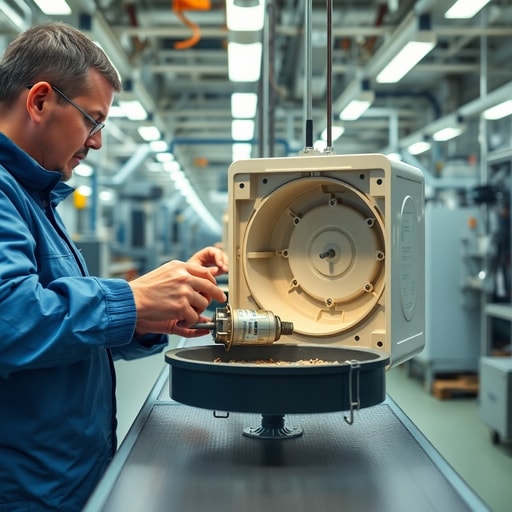
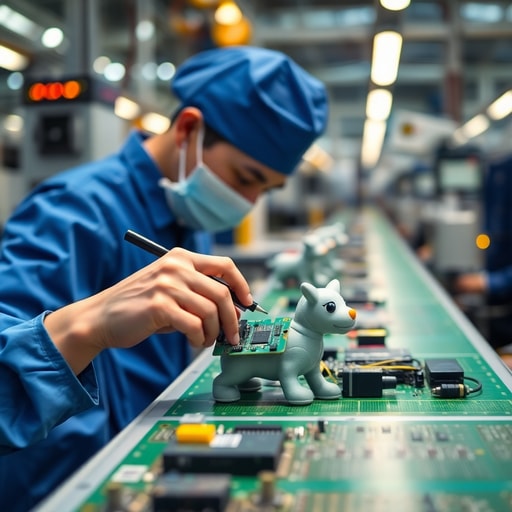
Walking onto a factory floor in the Pearl River Delta, the first thing that hits you isn’t the noise—it’s the smell of hot solder and the rhythmic thrum of injection molding machines. I remember standing in a facility last year, watching a worker calibrate a sensor array. The air was thick with the scent of high-grade polymers. Unlike the “commodity traders” who slap together generic modules in dusty, unventilated backrooms, this team had a dedicated clean zone for PCB assembly. You can spot the difference immediately: if the production line looks like a chaotic flea market, your return rate will look like a disaster zone.
The Hidden Cost of “Budget” Manufacturing
| Metric | Budget Commodity Supplier | Heritage OEM (e.g., DDPark) |
|---|---|---|
| Component Quality | Generic modules; high failure rate | High-grade ESP32; optimized firmware |
| Quality Control | Visual only; high return rate | Zero-Defect manufacturing; pre-shipment inspection |
| Technical Support | None; ignores firmware bugs | Full R&D support; firmware rollback capability |
| Compliance | Often missing or fake certs | FCC, UL, and RoHS certified |
Cheap components are the silent killers of Amazon businesses. Many sellers fall for the allure of low-cost Tuya-based boards, only to find that these modules succumb to humidity within months. I have seen countless accounts suspended because of “defective product” complaints triggered by overheating motors. My contrarian advice? Ignore the unit price for a moment and look at the PCB schematics. A factory that hides its internal board design is a factory hiding a lack of engineering rigor.
Successful sourcing requires a forensic approach. When you talk to a potential supplier, don’t ask if they can make a toy. Ask how they handle thermal dissipation when the motor runs continuously for two hours. A real manufacturer like DDPark doesn’t just assemble parts; they test the heat signature of the gear train. They understand that a smart feeder or interactive toy is a mechanical beast that needs high-precision infrared sensors to prevent jamming. If they can’t show you their testing logs, walk away.
Reliability is the new currency for Amazon sellers. The industry has shifted toward dual-core ESP32 chips for a reason. These chips offer a massive jump in connection stability, reducing the dreaded “device offline” notification that plagues lower-tier electronics. When you are vetting, ask specifically about their firmware rollback protocols. If an over-the-air update fails, can they push a fix, or is the unit bricked? If they look confused by the question, save yourself the headache and cross them off your list.
Professional factories operate with a sense of order that borders on the obsessive. I once saw a foreman halt an entire line because a batch of carton tape was slightly off-spec. That level of pickiness might seem excessive, but it’s exactly what you need to survive Amazon’s FBA intake process. You need a partner who understands that a single mislabeled unit can delay your entire inventory shipment. DDPark has mastered this balance of scale and precision, serving global markets while keeping their 10+ years of manufacturing expertise at the forefront of every production run.
Sourcing is not a one-time transaction; it is a long-term marriage. You are looking for a partner who will stand behind their product when a customer complains about a broken gear or a connectivity bug. I personally believe that the era of “import and pray” is dead. You must audit your supply chain with the same scrutiny you apply to your PPC campaigns. Don’t chase the lowest quote; chase the lowest defect rate. If you are ready to stop playing roulette with your inventory, Request a Free OEM Quote from DDPark to see the difference professional engineering makes.
Your reputation is built on the reliability of your hardware. By prioritizing CE/FCC/RoHS compliance and durable, BPA-free materials, you are building a moat around your brand. Take the time to dig deep into the production specs now. Your future self—and your Amazon feedback score—will thank you for the extra effort.
Frequently Asked Questions
What is the most common point of failure in low-cost smart pet toys?
The primary failure point is the integration of substandard Tuya modules and poor thermal management in the motor, leading to overheating and total device failure within just a few months of active use.
How can I ensure my smart pet products meet US safety standards?
Always verify the manufacturer’s credentials for FCC and UL certifications. Reputable facilities like DDPark prioritize these international standards to ensure smooth FBA compliance and drastically reduce the risk of customer returns.
Why does the choice of microcontroller matter for smart pet devices?
Modern smart pet devices rely on dual-core ESP32 chips to manage power efficiently and maintain cloud connectivity. These chips significantly reduce firmware bugs compared to cheaper, outdated alternatives, providing a smoother experience for the end user.
Work with DDPark
Experience industry-leading standards with our in-house R&D engineering, low MOQ support, low-noise motor system, and food-grade BPA-free materials.
Ready to Start Your OEM Order?
Contact our B2B team today for pricing, MOQ, and custom branding options.