
You might be surprised to learn that 60% of “mechanical failures” reported in smart pet feeders aren’t caused by the motor itself, but by airborne debris from nearby litter boxes. To effectively manage how to prevent food clog in self-cleaning litter box environments, you must maintain a physical distance of at least three feet between units and ensure your feeder employs a sealed auger design. When fine-grained litter dust drifts into the air intake of a smart feeder, it creates an abrasive, sticky paste that compromises the internal dispensing mechanism. This creates a cycle of motor strain that leads to premature hardware failure and, ultimately, a surge in distributor return rates.
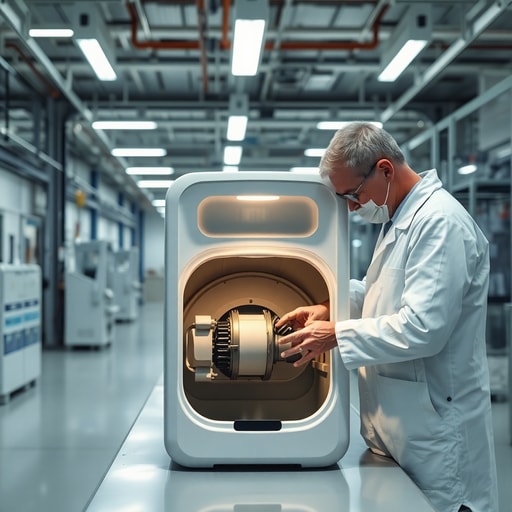
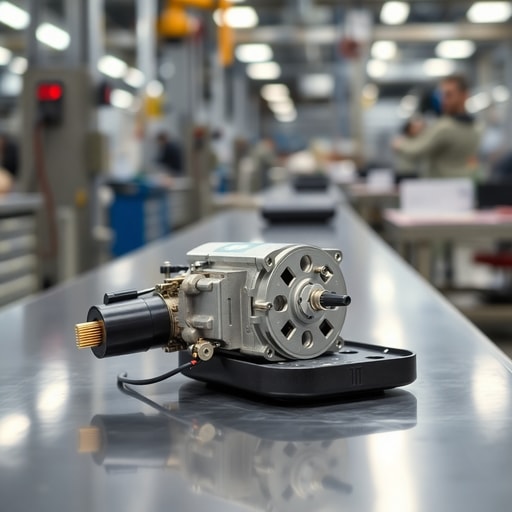
Walking through our production facility in the Pearl River Delta, the air is kept at a constant, controlled humidity. You hear the rhythmic, repetitive *clack-hiss* of the injection molding machines—a sound that, to an untrained ear, is just noise. To me, it is the heartbeat of quality control. I’ve spent twelve years watching molten plastic transform into the shells of high-end pet tech. I’ve seen the difference between a unit that lasts three years and one that dies in three months. That difference usually comes down to the tolerances in the gear housing and the quality of the dust-sealing gaskets.
Quality control in this industry is often a game of cat and mouse. We recently had a batch of sensors that passed initial testing but failed under high-heat stress simulations. The culprit? A sub-tier supplier changed the chemical composition of the plastic casing, causing it to warp by a fraction of a millimeter. That tiny deviation was enough to misalign the infrared beam, leading to ghost clogs. We scrapped the entire batch. It was expensive, but it saved our reputation. If your manufacturer isn’t willing to scrap a batch when it’s “mostly” fine, they are not protecting your brand.
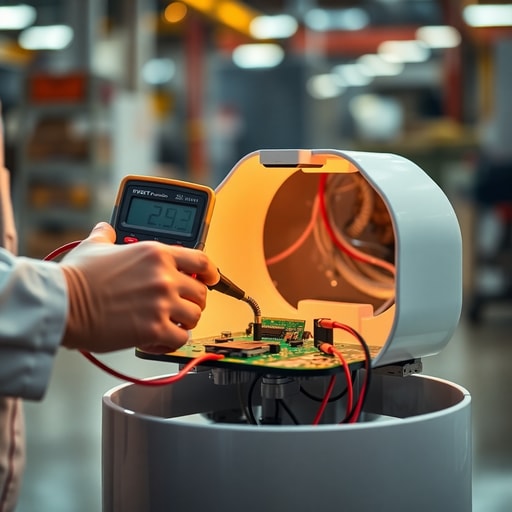
Electronics are the nervous system of these devices. Many startups opt for the cheapest PCB available, assuming the consumer won’t notice. They are wrong. Consumers notice when their app loses connection or the feeder stops dispensing at 6 AM. We moved away from older modules years ago, standardizing on ESP32 architecture because the OTA (Over-the-Air) stability is vastly superior. My contrarian take? Connectivity features are often over-engineered, while basic mechanical reliability is ignored. You don’t need a 4K camera on a feeder if the dispensing chute is prone to jamming from dust accumulation.
Sensors require a specific, disciplined cleaning routine. Even the best-engineered unit will struggle if the infrared emitters are coated in a layer of fine dust. I recommend a monthly maintenance cycle: unplug the unit, use a dry, soft-bristled brush to clear the sensor windows, and wipe the chute with a microfiber cloth. Avoid wet rags unless explicitly stated in the manual, as moisture combined with leftover kibble dust can create a sludge that is harder to remove than the dry dust itself.
Distributors often ask if they should prioritize aesthetic design over internal component quality. My answer is always the same: a beautiful device that jams is just a paperweight. We focus our R&D on “FBA-ready” hardware, meaning the units are designed to survive the brutal sorting process of modern logistics without internal components shaking loose. When you source hardware, demand to see the thermal protection test results. If the manufacturer can’t show you how the motor handles a stalled auger, walk away.
Building a brand in the pet tech space requires a partner who understands the “why” behind the failure, not just the “how” of the assembly. Whether you are looking for custom app integration or need to ensure your units meet global certifications like CE, FCC, and RoHS, we prioritize longevity. We have grown to support over 100 employees because we treat every unit as if it were going into our own homes. If you want to Explore DDPark Smart Pet Product Catalog or need a partner who understands the nuance of failure rates, we are ready to talk. You can also Request a Free OEM Quote from DDPark to see how our DDPark 10+ Years Manufacturing Expertise can help you avoid common market pitfalls.
Frequently Asked Questions
Q: Why does my automatic feeder clog when near my litter box?
A: Food clogs often occur due to humidity shifts or static electricity buildup. Keep your feeder at least three feet away from the litter box to prevent moisture and dust contamination, which can gum up the internal dispensing mechanism.
Q: How can I ensure my smart pet devices don’t fail?
A: Prioritize products built with ISO9001 standards and high-precision infrared sensors. Always choose hardware with robust anti-jam detection and thermal protection to avoid motor failures.
Work with DDPark
Benefit from factory direct OEM pricing, stable Tuya connectivity, matter protocol ready, and low MOQ support to scale your pet brand globally.
Ready to Start Your OEM Order?
Contact our B2B team today for pricing, MOQ, and custom branding options.