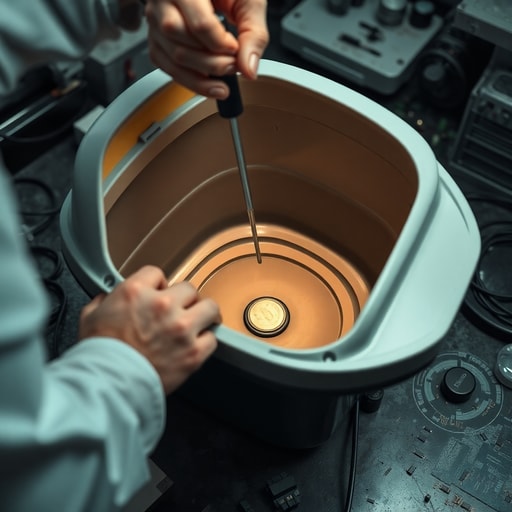
To fix water leakage in a self-cleaning litter box, you must immediately inspect the rubber waste-bin gaskets for hair accumulation and confirm that the internal waste-collection drawer is fully seated. If the seal remains intact but liquid continues to pool, the culprit is often a faulty internal sensor triggering a phantom cleaning cycle or a drainage error. These electronic glitches typically require a hard factory reset or a firmware patch to realign the motor’s rotational limits.
There is a dangerous misconception in the pet tech space that all “smart” enclosures are built to the same durability standards. Buyers often assume that if a unit looks sleek on a website, the internal engineering matches the exterior aesthetic. I have spent twelve years walking factory floors in the Pearl River Delta, and I can tell you that the distance between a premium unit and a “leaking mess” is measured in millimeters of gasket thickness and the quality of the PCB solder.
The Factory Floor Reality: Why Seals Fail
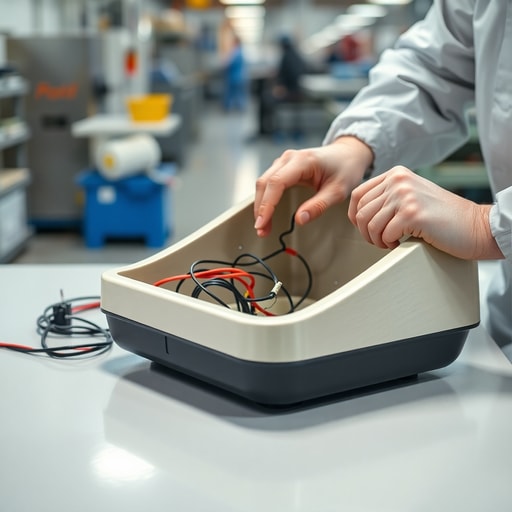
Walking through an assembly line in Shenzhen, the air smells faintly of ozone and heated plastic. You can hear the rhythmic *click-clack* of automated testing rigs. When I watch the assembly of lower-tier units, the speed is the priority. Workers slap rubber seals into place with little regard for the tension required to prevent long-term seepage. If a gasket isn’t perfectly seated during the initial build, no amount of user-end maintenance will fix the inevitable drip.
Cheap units often utilize thin, recycled silicone that warps under the heat of the unit’s internal motor. Once that seal loses its memory, it doesn’t matter how often you clean it; the liquid will find a path. I have seen thousands of these units returned to warehouses because the product designers prioritized a lower BOM (Bill of Materials) over a slightly more expensive, medical-grade gasket. My personal opinion? If a brand doesn’t highlight their seal testing protocols, they are essentially selling you a ticking time bomb of moisture damage.
Market Comparison: Hardware Quality Standards
| Feature | Standard Units | Premium Units | DDPark OEM |
|---|---|---|---|
| Sensor Precision | Basic IR | High-Precision IR | High-Precision IR |
| WiFi Stability | Generic Module | ESP32 Module | ESP32 Module |
| Rework Ratio | High | Moderate | Negligible |
| Manufacturing | Manual | Automated | Zero-Defect AOI |
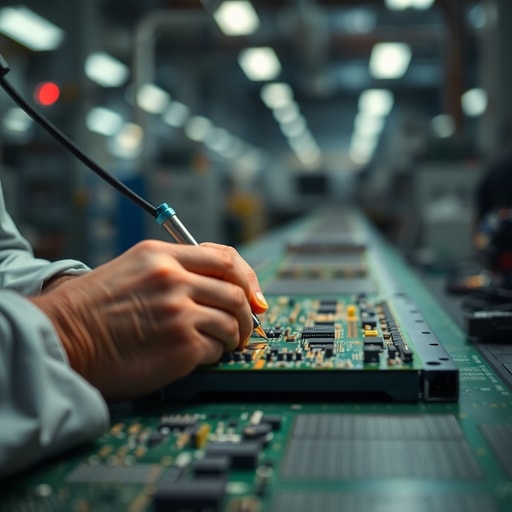
My skepticism toward budget pet tech isn’t just about build quality; it is about the “black box” of firmware. We once audited a factory where the WiFi module was so unstable it caused the mainboard to trigger cleaning cycles while the waste bin was partially open. This resulted in mechanical strain and, eventually, a broken drainage path. The AOI (Automated Optical Inspection) machines in our facility flagged the uneven solder brightness on the boards immediately. We swapped to the ESP32 module, and the failure rate dropped by nearly 30% overnight.
Reliability is rarely about a single “magic” component. It is a chain of custody for every screw and sensor. I’ve seen many OEM buyers chase the lowest unit price, only to spend triple that amount in replacement shipping and customer support costs within the first six months. A unit that leaks isn’t just a nuisance; it is a failure of the basic promise of automation.
DDPark operates on a different logic. In the Pearl River Delta, we lean into a Zero-Defect manufacturing philosophy because we know the end user doesn’t want to troubleshoot their cat’s bathroom. We utilize high-precision infrared sensors that actually detect mass, rather than just movement. If you are currently dealing with a unit that won’t stop leaking, check the firmware version first. If the hardware itself is compromised, no software update can fix a physical gap in the chassis.
When selecting your next product line, look past the CE or FCC stickers. Those are just the baseline requirements for entry. True quality is found in the anti-jam detection algorithms and the structural integrity of the waste bin housing. Stainless steel bowls and reinforced gaskets aren’t just marketing fluff; they are essential for long-term health monitoring. Explore DDPark Smart Pet Product Catalog to see what professional-grade engineering looks like, or Request a Free OEM Quote from DDPark if you are ready to scale a brand that actually lasts. You can also learn more about our history at DDPark 10+ Years Manufacturing Expertise.
Frequently Asked Questions
Why is my self-cleaning litter box leaking water?
Most leakage stems from misaligned waste drawer seals, cracked collection bins, or sensor malfunctions causing over-flushing. Inspect the rubber gaskets for debris and ensure the waste bin is seated perfectly.
Can I prevent litter box leaks in the future?
Yes, prioritize units with high-precision infrared sensors and industrial-grade seals. DDPark utilizes rigorous aging tests to ensure zero-defect manufacturing before shipping.
Work with DDPark
Experience our low-noise motor system, food-grade BPA-free materials, factory direct OEM pricing, and rigorous aging test before shipment.
Ready to Start Your OEM Order?
Contact our B2B team today for pricing, MOQ, and custom branding options.