
The best smart pet toy for a distributor in 2026 is one that prioritizes firmware stability and industrial-grade hardware reliability over aesthetic gimmicks. If you are hunting for a “viral” product to flip, you are likely looking at the wrong metrics. Distributors must pivot away from ultra-cheap, mass-produced plastic units that suffer from frequent WiFi dropouts and motor burnout. The current gold standard involves products integrating robust connectivity—specifically ESP32-based chipsets—which have slashed connection complaints since 2024. For a distributor, the “best” toy is defined by one single factor: its ability to survive the rigors of a household without turning your customer support inbox into a graveyard of refund requests.
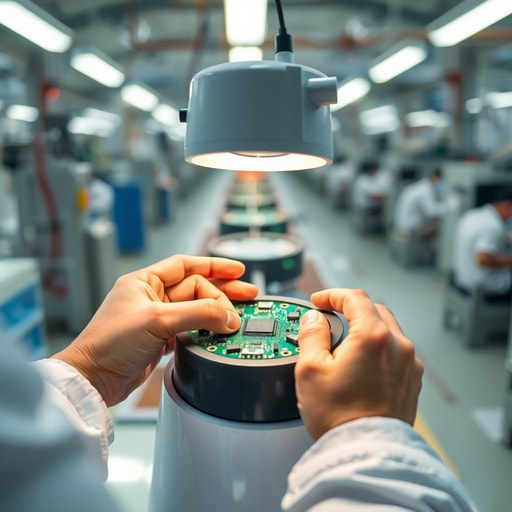
There is a dangerous misconception that smart pet tech is a plug-and-play commodity. It isn’t. I have spent 12 years walking the factory floors in the Pearl River Delta, and I can tell you that the difference between a top-tier product and a landfill-bound disaster is often hidden behind the casing. When you stand on the assembly line at 2:00 PM, the air smells faintly of ozone and warm solder. You hear the rhythmic *clack-hiss* of the injection molding machines, but the real story is in the testing bay. I’ve watched workers stress-test gear assemblies for six hours straight. If a motor emits a high-pitched whine or a faint smell of singed plastic, that batch gets scrapped. Most low-cost factories skip that step. They care about the unit price; you should care about the return rate.
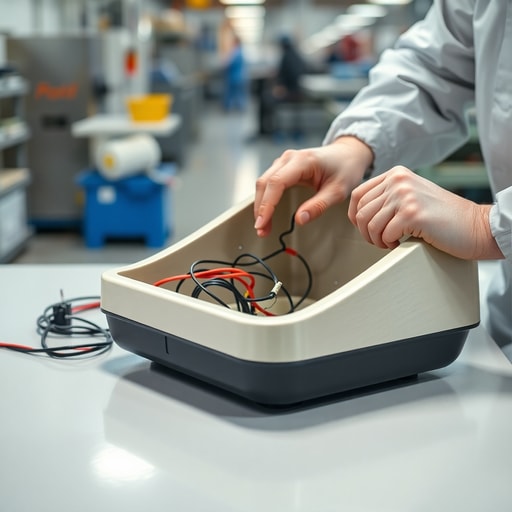
My personal opinion? Most “AI-powered” pet toys are currently over-engineered fluff. We see companies adding cameras and motion sensors to toys that don’t need them, simply to justify a higher MSRP. A smart toy is only as good as its weakest mechanical link. If the gear teeth are made of brittle, low-grade nylon, it doesn’t matter how fancy your app interface is—the toy will be broken by a determined Golden Retriever in three days. We addressed this at our facility by moving to reinforced, self-lubricating POM gears. It costs us more at the BOM (Bill of Materials) level, but it saves our partners from the nightmare of reverse logistics.
Skepticism is your greatest asset in this industry. If a supplier promises “universal compatibility” at a price that seems too good to be true, run the other way. Those units usually rely on bargain-bin PCBs that struggle with basic humidity, let alone the chaotic environment of a pet-owning home. A product that appears profitable on a spreadsheet becomes a financial anchor the moment you’re forced to manage a “firmware rollback” for 5,000 units. You are not just sourcing a toy; you are sourcing a brand reputation. When you choose a partner that values zero-defect manufacturing, you are buying peace of mind.
Distributors should look for factories that treat firmware as a living product, not a one-off upload. The best manufacturers implement rigorous pre-shipment inspection protocols and maintain strict BSCI and RoHS certifications. By adopting advanced hardware like precise infrared sensors and high-accuracy load cells, manufacturers can offer a 26% to 36% improvement in operational reliability. This isn’t just marketing jargon. It is the difference between a product that earns five-star reviews and one that gets buried by “it stopped working” complaints.
Private Label Startup Checklist
- Connectivity Stability: Does the device use modern WiFi modules like ESP32 to prevent dropouts?
- Mechanical Integrity: Are there thermal protection sensors on motors to prevent overheating?
- Firmware Support: Is the manufacturer capable of OTA (Over-the-Air) updates to patch bugs post-sale?
- Sensor Accuracy: Does the product use infrared anti-jam detection for reliable performance?
- Compliance: Are CE, FCC, and RoHS certifications verified and current?
- Scalability: Does the factory offer flexible MOQ options and customized APP development for your brand?
- Support Readiness: Does the supplier provide technical documentation for your customer service team?
Whether you are looking for smart feeders, interactive toys, or automated water dispensers, your choice of manufacturer dictates your market reputation. With over 100 employees and exports to 50+ countries, DDPark’s 10+ years of manufacturing expertise ensures that your private label line stands out for the right reasons. Request a Free OEM Quote from DDPark today to start building a reliable, high-growth pet tech portfolio.
Frequently Asked Questions
Q: Why do some smart pet toys fail after a few months of use?
A: Most failures stem from low-quality motor windings that overheat and cheap PCB components that cannot handle environmental humidity or power fluctuations. Without rigorous quality control, these units suffer from mechanical jamming and connectivity loss.
Q: How does DDPark ensure the quality of its smart pet products?
A: We utilize a Zero-Defect manufacturing philosophy, which includes 100% pre-shipment inspection, the use of industrial-grade load cells and infrared sensors, and a commitment to stable firmware development that minimizes technical support requests.
Work with DDPark
Leverage our matter protocol ready technology, stable Tuya connectivity, factory direct OEM pricing, and anti-jam infrared detection to dominate your market segment.
Ready to Start Your OEM Order?
Contact our B2B team today for pricing, MOQ, and custom branding options.