
The Complete B2B Sourcing Guide for Smart Litter Box in 2026
Did you know that over 40% of smart litter box returns on Amazon are not caused by the hardware failing, but by the mobile app’s inability to maintain a stable handshake with the home router? If you are looking for the complete B2B sourcing guide for smart litter box in 2026, you need to stop looking at plastic shells and start looking at the code.
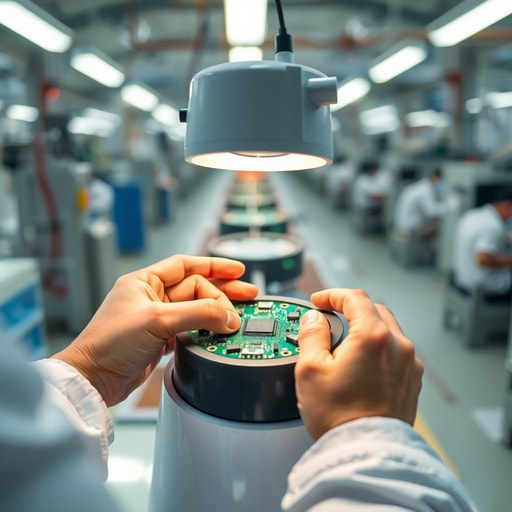
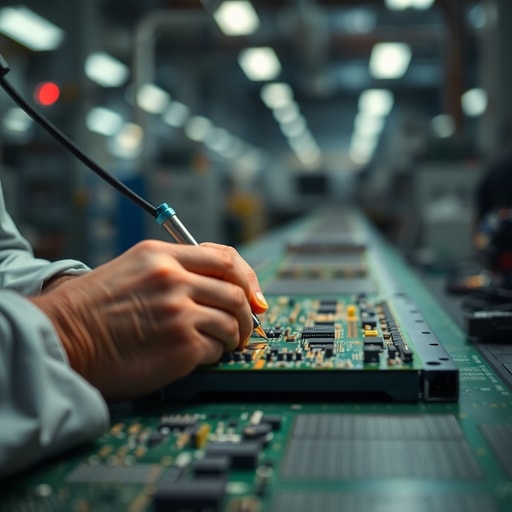
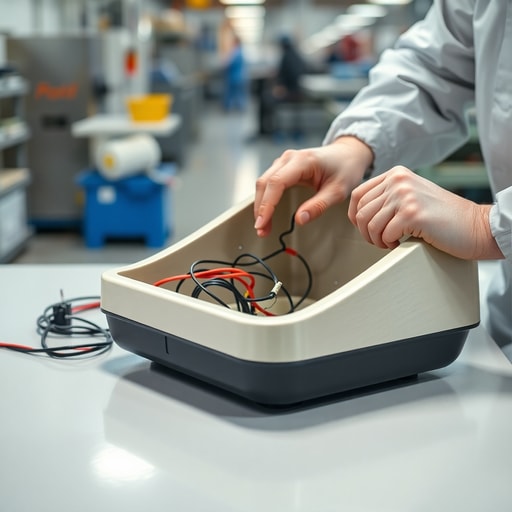
Standing on our assembly floor in Guangdong, the air hums with the rhythmic click of pneumatic torque drivers. You don’t smell the “new plastic” scent of a high-quality unit; you smell the ozone of soldering stations and the faint, sterile scent of silicone lubricants. I’ve spent 12 years walking these aisles. When a factory manager tries to rush a batch, the rhythm changes. It gets frantic. That is when the sensors get misaligned and the firmware gets skipped. You need to feel the pace of the floor to know if your product will survive a consumer’s living room.
Performance Comparison: Standard vs. Premium Smart Litter Boxes
| Feature | Standard OEM Model | DDPark Premium Standard |
| :— | :— | :— |
| **Connectivity** | Basic 2.4GHz WiFi | Dual-core ESP32 (Stable) |
| **Sensor Accuracy** | High false-positive rate | High-precision infrared |
| **Noise Level** | Audible mechanical grinding | Low-noise motor system |
| **Power Protection** | None | Battery backup included |
| **Reliability** | 6-month failure risk | Zero-defect stress tested |
Many buyers chase the lowest unit price, ignoring the “hidden tax” of customer support. A litter box that saves you $12 at the factory gate will cost you $50 in return shipping and brand equity when the WiFi module drops out for the third time in a month.
Table of Contents
The 2026 Smart Pet Market Landscape
The industry is maturing at a brutal pace. We have moved past the era where a simple rotating drum was enough to capture market share. Today, the consumer expects a seamless IoT ecosystem. In 2026, if your device isn’t Matter-compatible, it’s essentially an orphan in the smart home space.
Reliability is the new luxury. My contrarian take? Brands should stop obsessing over adding five new “features” and start obsessing over the power supply. A smart litter box that resets when the cat jumps in because of a voltage spike is a product that will be in a landfill within a year. Our integrated solutions are built to handle the chaotic power grids of global markets.
Technical Sourcing: Beyond the Plastic Shell
Look at the PCB. If the supplier is using generic, unbranded WiFi modules, walk away. You want to see ESP32-level architecture. Why? Because the ESP32 is the industry standard for stability. It handles OTA (Over-the-Air) updates efficiently, which is your only line of defense if a software bug emerges after the product reaches the shelves.
Listen to the motor. During our stress tests, we run units through 5,000 cycles. If I hear a high-pitched whine or a rhythmic “thunk,” it’s going back to the engineering team. Plastic gearboxes are a plague on this industry. Demand metal-reinforced gearing. It adds cents to the manufacturing cost but years to the product’s life. If your supplier acts annoyed when you ask for a motor life-cycle report, they aren’t the partner you need.
Customization and Branding for Every Buyer
Your brand is only as good as the software interface. We see too many sellers slap their logo on a generic “Tuya-clone” app. That is a mistake.
* **Amazon Sellers:** You need FCC, CE, and RoHS compliance documentation ready before the container leaves the port. We provide the full paper trail to ensure your listing doesn’t get flagged.
* **Distributors:** Your success depends on local market support. We offer bespoke app skinning so your users see your brand, not the manufacturer’s.
* **Kennel Operators:** You need industrial-grade duty cycles. We build for high-traffic environments where a jammed box isn’t just an inconvenience—it’s a sanitary disaster.
Request a Free OEM Quote from DDPark to see how we handle custom firmware integration.
Quality Assurance and the “Zero-Defect” Philosophy
I have seen factories where quality control is a person with a clipboard checking boxes at the end of the line. That is useless. True quality happens at the component level, before the shell is even snapped shut.
We perform “aging tests” on every single unit. We power them on, cycle the motors, and ping the WiFi modules in a high-temperature chamber. If a component is going to fail, it will fail in our factory, not in your customer’s home. This is the only way to maintain a reputation in the cutthroat pet tech space. Our 10+ years of manufacturing expertise taught us that the “rework ratio” is the silent killer of any B2B venture.
The smart pet revolution is here. Don’t get left behind with cheap gadgets that fail when the firmware updates. Demand precision, demand stability, and demand a partner who understands the mechanical realities of the product.
Ready to Start Your OEM Order?
Contact our B2B team today for pricing, MOQ, and custom branding options.
Frequently Asked Questions
Q: What is the most critical component to verify when sourcing smart litter boxes?
A: The stability of the WiFi module and firmware. Many failures arise from cheap PCB components, so always insist on high-grade modules like the ESP32 to ensure reliable connectivity and long-term OTA update support.
Q: How can I minimize the rework ratio for my pet product brand?
A: Partner with manufacturers who conduct rigorous overnight stress testing. DDPark, for instance, uses a zero-defect philosophy that identifies mechanical or electrical anomalies before they reach your customers.
Q: Are Matter-compatible devices necessary for 2026?
A: Yes. Matter protocol adoption is reshaping smart home pet product compatibility. Ensuring your devices are Matter-ready future-proofs your brand and significantly increases consumer trust.
Q: What MOQ should a startup expect for custom OEM litter boxes?
A: While traditional factories demand high volume, modern B2B partners like DDPark offer flexible MOQs tailored for startups and distributors to balance capital efficiency with market entry.
Q: Why do some smart litter boxes suffer from false-positive sensor triggers?
A: Usually due to low-quality infrared sensors or poor firmware calibration. High-precision infrared sensors, when properly integrated into the hardware stack, eliminate these triggers and ensure accurate cat tracking.
Work with DDPark
Scale your brand with a partner that prioritizes aging test before shipment, factory direct OEM pricing, battery backup protection, and low-noise motor systems.