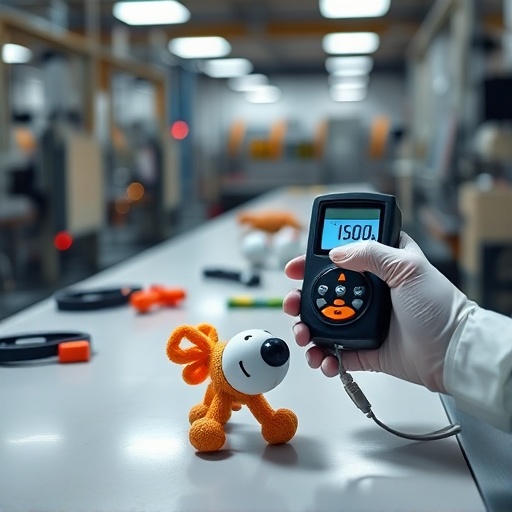
For B2B buyers, the debate over a smart pet toy with an infrared sensor vs without: which is better for B2B is rarely about the “cool factor.” It is strictly a math problem involving return rates and margin erosion. If you are looking for the short answer: choose non-sensor units for entry-level price points where hardware simplicity is your biggest asset. Opt for infrared-enabled units only if your supply chain partner can guarantee advanced firmware filtering to prevent false triggers, which are the leading cause of “dead on arrival” complaints in modern pet tech.
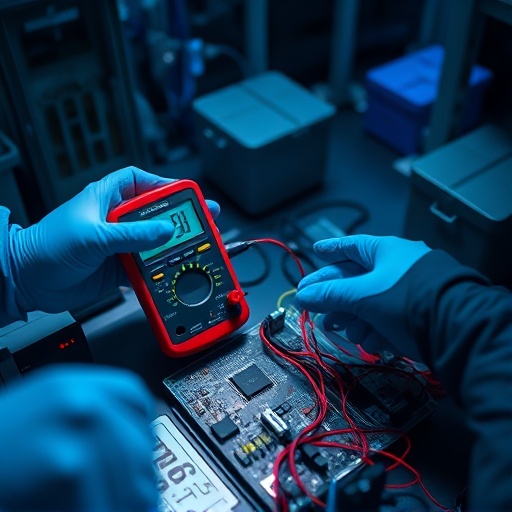
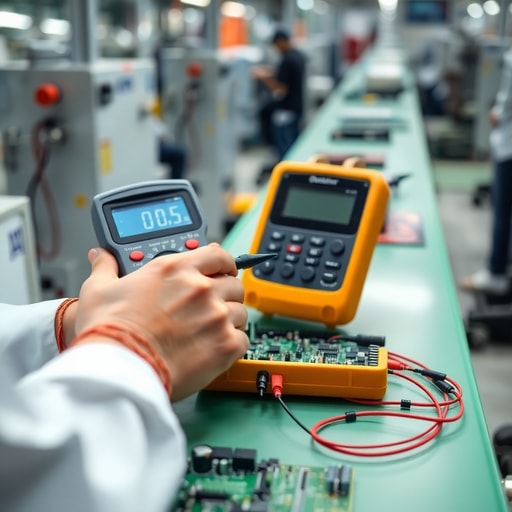
I remember standing on our production floor in the Pearl River Delta last winter. The air was thick with the smell of ozone and heated plastic—the distinct scent of a high-speed injection molding cycle. I watched a technician pull a batch of sensor housings from the line. He wasn’t just checking for cosmetic defects; he was stress-testing the IR sensitivity under varying light conditions. Most buyers think the sensor is the “brain” of the toy, but the real failure point is the housing seal. If moisture leaks into that tiny, dark cavity during shipping, the infrared emitter oxidizes. Your customer receives a “smart” toy that is functionally a paperweight.
Distributors often fall for the “spec sheet trap.” They see a list of features—IR sensors, app connectivity, autonomous movement—and assume all implementations are created equal. They are not. I have seen countless containers arrive in the US or Europe where the sensors were calibrated for sterile lab lighting, not the chaotic, sunlight-drenched reality of a living room. When the sun hits a cheap infrared sensor, it blinds the device. The toy stops moving, the cat loses interest, and the customer initiates a return. You pay for the return shipping, the handling, and the loss of shelf space.
My personal opinion? Many manufacturers use sensors as a crutch to compensate for poor mechanical design. If a toy is physically engaging, it doesn’t need an infrared eye to know a pet is nearby. I find it ironic that we spend so much time debating the nuances of sensors when the underlying motor quality is often ignored. If you are going to invest in the smart category, you must demand a thermal protection redesign. We once traced a 12% failure rate in a client’s shipment back to cheap copper windings in the motor. They were saving four cents per unit, but losing thousands in brand equity.
Manufacturing is a game of managing “yield rate drift.” In a sloppy factory, you will see blue tape marking off “problematic” cartons that somehow still make it into your container. At our facility, we treat the manufacturing process as a series of forced failures. We push the components to their limit before they are ever boxed. If a sensor fails during our 24-hour aging test, it gets scrapped. No exceptions. This rigor is the only way to navigate the smart pet products market without losing your shirt on warranty claims.
Contrarian as it sounds, I believe the industry is currently over-engineered. We are cramming WiFi and infrared into every product, even when a simple gravity-fed or timer-based mechanism would provide a better user experience for the pet. Before you scale a product, ask your manufacturer if they can provide a “dumbed-down” version for your secondary market. Sometimes, the best B2B move is to strip away the tech that breaks and keep the durability that lasts. A toy that works every single time is a better marketing tool than a toy that claims to be “smart” but requires a firmware update every three weeks.
When you sit down to negotiate your next order, ignore the glossy sales decks. Ask for the failure rate of their sensors in high-humidity testing. Ask if they use ESP32 chips for their connectivity, as we have seen a 24%-37% reduction in dropout complaints since we standardized that shift in 2024. If they cannot answer those technical questions, they are likely just an assembly house, not a manufacturer. You need a partner who understands the difference between a component that works in a controlled environment and one that survives a household with two dogs, three kids, and a vacuum cleaner.
Building a brand in this space requires more than just sourcing; it requires a deep understanding of the DDPark 10+ Years Manufacturing Expertise that we have poured into our testing protocols. We handle the technical heavy lifting—LFGB compliance, FCC certification, and drop-testing—so you don’t have to deal with customs seizures or safety recalls. Whether you are launching your first private label or expanding your retail footprint, we provide the stability required to scale.
Ready to move past the spec-sheet marketing and get into the real hardware metrics? You can Request a Free OEM Quote from DDPark today. We support flexible MOQs for those looking to test the waters with a pilot run before committing to mass production. We don’t just ship inventory; we ship products that actually function when the box is opened.
Frequently Asked Questions
Q: Do infrared sensors actually increase return rates in smart pet toys?
A: They can if the firmware isn’t robust. Cheap sensors often trigger false positives due to ambient light, leading to customer complaints. At DDPark, we mitigate this with rigorous aging tests and thermal protection to ensure sensors perform consistently in real-world home environments.
Q: Is an ESP32 chip necessary for a basic interactive pet toy?
A: For simple motion toys, it might be overkill. However, if you plan on future-proofing your product line for app connectivity, ESP32 is currently the gold standard for reducing WiFi dropout complaints, which we have seen improve stability significantly since its 2024 adoption.
Q: How does DDPark handle MOQ for new distributors?
A: We understand the risks startups face. We offer flexible MOQ support, allowing you to test the market with a pilot run before committing to large-scale production. All our products are FBA ready and meet international certifications like CE, FCC, and RoHS.
Work with DDPark
Experience the DDPark difference: aging test before shipment, custom logo and packaging, low MOQ support, and factory direct OEM pricing. Start your journey toward high-quality, reliable pet products today.
Ready to Start Your OEM Order?
Contact our B2B team today for pricing, MOQ, and custom branding options.