FOB vs DDP: A Practical Handbook for Pet Tech Importers
Most importers enter the pet tech space believing that the unit price on a quote sheet is the final number. They couldn’t be more wrong. If you are shipping smart feeders or AI-driven water fountains, your true costs are buried in the logistics, customs clearing, and the inevitable firmware headaches that surface once the container lands. Understanding the mechanics of FOB vs DDP: a practical handbook for pet tech importers is the difference between building a sustainable brand and drowning in unexpected tariff bills or seized inventory.
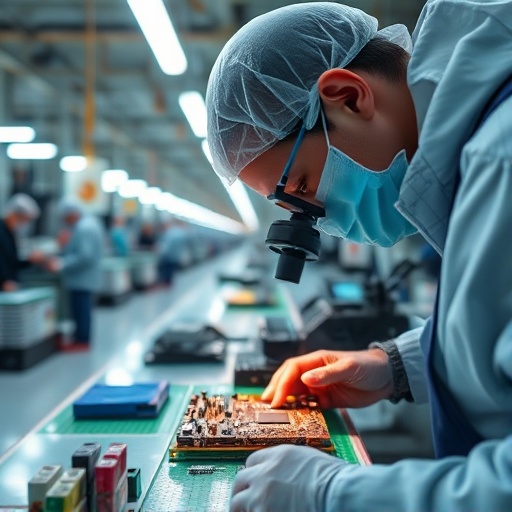
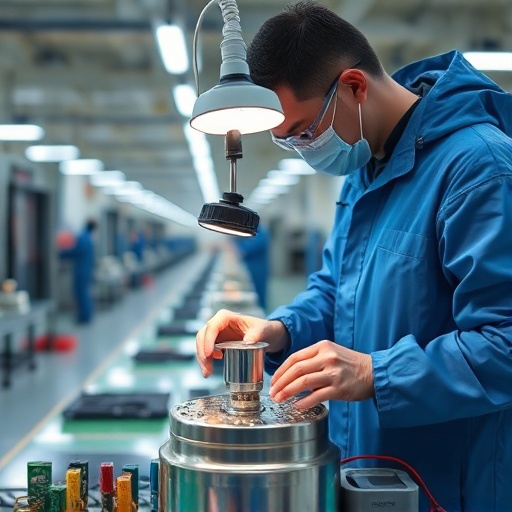
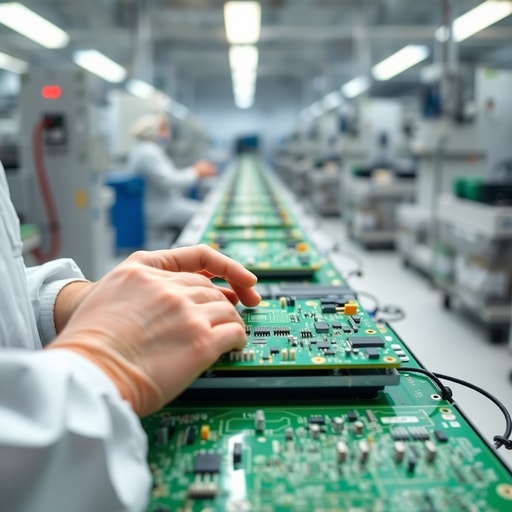
I’ve spent 12 years walking production floors in the Pearl River Delta. I remember standing in a factory in Shenzhen during a humid July, watching a line of smart feeders move along a belt. The air smelled like ozone and hot plastic. I watched a technician test the motor torque on a prototype; he wasn’t just checking if it spun—he was listening for the specific high-pitched whine that signals a cheap bearing. If you don’t understand your shipping terms, you are trusting a middleman to catch those details for you. Spoiler: they usually don’t.
Table of Contents
The Logistics Reality: FOB vs DDP
FOB (Free On Board) is the choice for those who want total control. When you ship FOB, the manufacturer’s responsibility ends when the goods clear the ship’s rail at the port of origin. You own the risk, you own the freight forwarder, and you own the customs headache. It’s a powerful position if you have a reliable logistics partner. If you don’t, you are one paperwork error away from your smart pet products sitting in a warehouse incurring daily storage fees.
DDP (Delivered Duty Paid) shifts that burden entirely to the manufacturer. The seller handles freight, duties, and customs entry right to your door. It feels like a luxury service, but it’s a double-edged sword. If your supplier isn’t an expert in your destination country’s import regulations, your shipment might get flagged for a lack of FCC or CE documentation. My contrarian take? DDP is only as good as the factory’s legal department. At DDPark, we handle the logistics internally because I’ve seen too many startups lose their entire launch window to a customs agent who didn’t like the look of a poorly labeled battery pack. See how we manage our supply chain integrity here.
The Factory Floor Truth: Where Margins Die
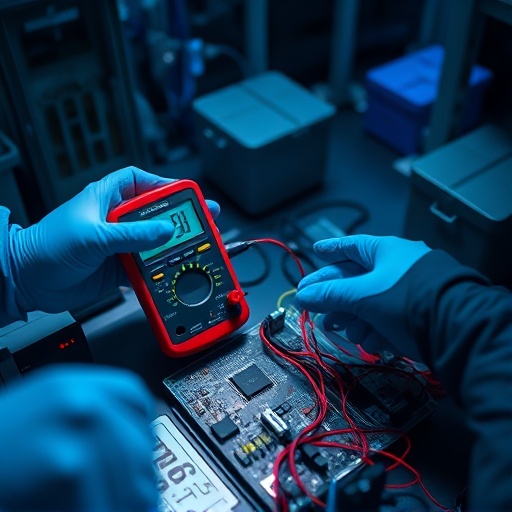
Let’s be honest about “cheap” manufacturing. When you see a unit price that seems too good to be true, it’s not because the factory is generous. It’s because they swapped the load cell sensor for a cheaper, less accurate model or skipped the stress-testing phase for the PCB. I once walked into a facility where they were using masking tape to secure wiring inside a feeder. That product was destined to fail within three months of consumer use.
You need to know what’s under the hood. A jammed impeller isn’t just a technical glitch; it’s a return, a negative Amazon review, and a damaged brand reputation. We prioritize infrared detection and rigorous drop-testing because I’ve seen what happens to a brand’s trust score when a pet owner finds their device dead while they’re away for the weekend. Quality isn’t a feature; it’s the entire business model.
Contact our B2B team today for pricing,
MOQ, and custom branding options.
Ready to Start Your OEM Order?
Differentiating Quality: Comparison Table
| Feature | Standard OEM | Premium OEM | DDPark OEM |
| :— | :— | :— | :— |
| Firmware Reliability | Baseline | Good | High (Tuya Ecosystem) |
| Jam Prevention | Basic | Improved | Advanced Infrared/Load Cell |
| Packaging Quality | Standard | Robust | Reinforced/FBA-Ready |
| Support | Limited | Reactive | Proactive/Engineering-led |
| Connectivity | Standard WiFi | Stable | ESP32-Optimized (Reduced Dropout) |
Industry Trends: The 2026 Landscape
The smart pet market is maturing. Gone are the days of basic, clunky hardware. In 2026, the focus has shifted to deep integration. Consumers don’t just want a feeder; they want a health monitoring device that talks to their existing smart home ecosystem.
ESP32 chips have become the industry standard for a reason. They offer the stability required to keep WiFi drops to a minimum. If your manufacturer is still using outdated hardware modules, you are selling products that will be obsolete by 2027. We’ve leaned into the Tuya Smart Ecosystem to ensure that when your customer opens their app, the experience is fluid, not frustrating. Explore our current catalog of smart pet devices.
Operational Excellence: Beyond the Bill of Lading
The “golden sample” is your final chance to catch errors. I’ve seen importers skip this phase to save two weeks, only to receive a container of units that didn’t match the specs they requested. Never sign off on a production run until you’ve physically tested the unit under stress.
My personal opinion? If a factory refuses to let you perform a third-party inspection, walk away. Period. Transparency is the only currency that matters in cross-border trade. Whether you are scaling to your first 500 units or managing a 50,000-unit rollout, your manufacturer should be an extension of your own team. We keep our MOQ flexible because I know that a startup’s first order is the most terrifying and important one they’ll ever place.
Frequently Asked Questions
Q: How do I minimize the risk of food jams in automated feeders?
A: Focus on manufacturers who use infrared sensors and load cell technology. Our anti-jam impeller design at DDPark has significantly reduced failure rates compared to traditional mechanical-only designs.
Q: Is it better to handle my own freight forwarding?
A: Only if you have a high-volume, dedicated logistics team. For most, DDP with a trusted partner is safer and more cost-effective.
Q: Are stainless steel bowls necessary for all smart feeders?
A: Yes. They are easier to sanitize, more durable, and significantly increase the perceived value of your product to the end consumer.
Q: How long does the OEM process take from inquiry to shipment?
A: Typically 30-60 days. We focus on clear communication to ensure your custom branding and firmware needs are met without unnecessary delays.
Q: Can DDPark help with APP customization for my brand?
A: Absolutely. We provide full APP customization to ensure your brand identity remains consistent across the entire user experience.
Work with DDPark
We provide low MOQ support, stable Tuya connectivity, and CE/FCC/RoHS certified hardware. Let’s build your pet tech brand with the precision it deserves.