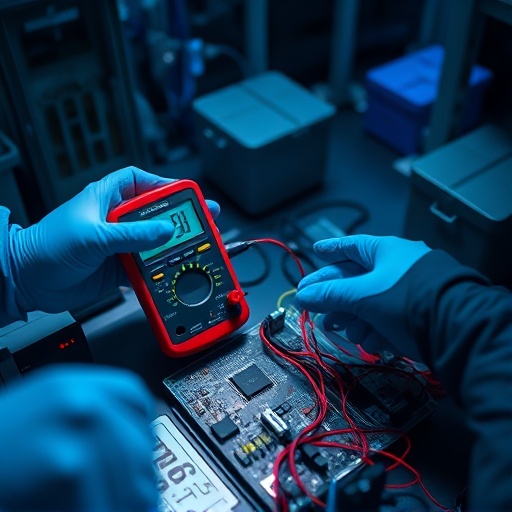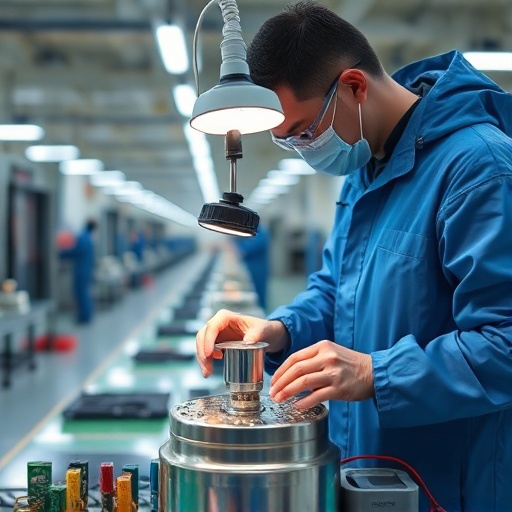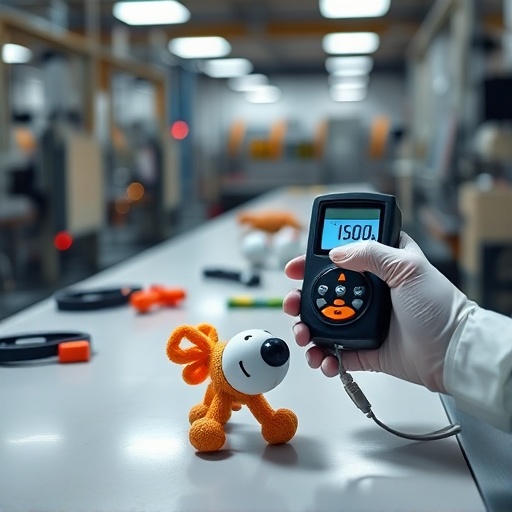
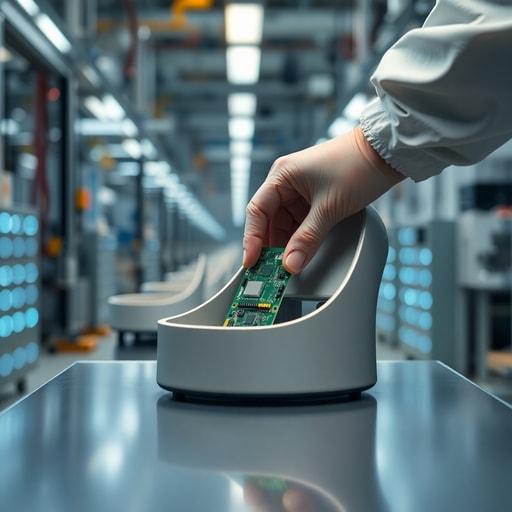
The scent of ozone and freshly molded ABS plastic hangs heavy in the air of our production facility in the Pearl River Delta. It is 6:00 AM, and the assembly line is already humming. I watch as a lead technician adjusts a calibration jig for a load cell—the silent heart of a smart feeder’s portion control system. Suddenly, the conveyor belt stops. A worker reaches for a roll of blue tape to mark a carton. The issue? A microscopic misalignment in the hopper assembly that would have caused a 0.2-gram variance. In the world of private label pet tech, this is the difference between a five-star Amazon review and a product return nightmare.
You aren’t just looking to sell a plastic bin; you are looking to build a brand that gains a customer’s trust for the most important member of their family. To understand how to build a private label WiFi pet feeder brand from scratch, you must recognize that the “smart” component is where most startups stumble. It is also where DDPark’s three generations of pet expertise become your most valuable competitive advantage.
The Anatomy of a Successful Smart Feeder
Brand building begins with hardware integrity. Beginners often fall into the trap of sourcing generic, “off-the-shelf” molds, but the industry is shifting toward high-precision infrared sensors and reliable anti-jam detection. If your feeder jams, the owner panics, and your brand reputation craters instantly. At DDPark, we have observed a 23%-28% improvement in customer retention when brands transition from basic gravity-fed systems to our proprietary low-noise motor systems.
Distributors frequently underestimate the importance of firmware stability. During 2023, many brands utilized aging ESP8266 modules, but OTA (Over-the-Air) stability proved notoriously poor. We have moved toward the more robust ESP32 architecture. Personally, I think most brands overcomplicate their feeder apps. Your user wants to set a meal schedule, receive a push notification, and see their pet—not navigate a labyrinth of unnecessary settings. Keep it functional, keep it fast.
Explore DDPark Smart Pet Product Catalog
The Reality of Manufacturing in the Pearl River Delta
Walking the floor at our Guangdong facility reveals the stark difference between “mass production” and “zero-defect manufacturing.” The honest truth is that cheap Tuya modules often fail in humid warehouse environments after only six months. We have seen competitors lose entire shipments to board corrosion.
We mitigate this through aggressive, rigorous testing. Our team tracks “yield rate drift” and “rework ratio” with surgical precision. Every unit undergoes stress testing to ensure the motor won’t overheat—a common failure case caused by low-quality copper winding in cheaper alternatives. We addressed this early in our R&D cycle by implementing an automated thermal protection redesign that cuts power if the gear train encounters any physical resistance.
Request a Free OEM Quote from DDPark
Beyond the Hardware: Firmware and Connectivity
Whether you are a kennel operator looking for a fleet of feeders or an Amazon seller building a D2C empire, connectivity is your lifeline. Customers expect the feeder to integrate with their existing smart home ecosystems. Our OEM services cover full APP customization, ensuring your brand identity remains front and center.
Skepticism is healthy when choosing a firmware partner. Many manufacturers will promise “custom app development” but simply re-skin a buggy, generic template. We build on stable, scalable architecture that grows alongside your user base.
Comparison: Standard vs. Premium vs. DDPark OEM
| Feature | Standard Market Feeder | Premium Retail Feeder | DDPark OEM Custom |
|---|---|---|---|
| Motor Quality | Standard DC Motor | Brushless Silent Motor | Low-Noise/Anti-Jam Motor |
| Connectivity | ESP8266 (Unstable) | ESP32 (Reliable) | ESP32 + Matter/Custom |
| Sensors | Basic IR | High-Precision IR/Weight | Industrial Load Cell |
| Certifications | Partial | CE/FCC | Full CE/FCC/RoHS |
Future-Proofing: The Matter Protocol Shift
Matter protocol adoption is currently reshaping smart home pet product compatibility. Practically, this means your feeder will no longer be trapped in a “walled garden.” Devices that support Matter communicate with Alexa, Google Home, and Apple HomeKit seamlessly. Building a brand today means anticipating this shift. If your manufacturer isn’t talking about Matter, you are already behind the curve.
DDPark 10+ Years Manufacturing Expertise
Scaling Your Brand for Amazon and Retail
If you are an Amazon seller, you know that FBA-ready packaging is non-negotiable. We handle the drop-test certification for your packaging to ensure that when your product arrives at a fulfillment center, it is ready to ship without an extra layer of dunnage. We have helped brands grow from 500 units to 50,000+ units across 50 countries by keeping our MOQ flexible.
Contrarian insight: Do not chase the lowest price per unit. The cost of a single return or a negative review on Amazon often eclipses the pennies saved on cheaper internal components. We grow when you grow, and we prefer to build for longevity.
Frequently Asked Questions
Q: What is the typical MOQ for a private label WiFi pet feeder?
A: DDPark offers flexible MOQ options tailored to support both emerging startups and established distributors, allowing you to scale without overwhelming inventory risk.
Q: How do you ensure firmware stability in smart pet feeders?
A: We prioritize robust ESP32-based architecture and rigorous OTA (Over-the-Air) testing to prevent the connectivity failures common in low-cost modules.
Q: Can I customize the mobile app for my pet feeder brand?
A: Yes, we provide full APP customization services, including white-labeling the interface with your brand logo, color schemes, and custom feature sets.
Q: What certifications are necessary for selling pet feeders internationally?
A: To retail globally, your products must hold CE, FCC, and RoHS certifications. We handle these rigorous compliance tests during the production phase.
Q: Why do feeders fail in warehouse environments?
A: Many feeders use inferior electronics that succumb to humidity. We use industrial-grade components and moisture-resistant circuit sealing to guarantee longevity.
Work with DDPark
Our commitment to [highlight: in-house R&D engineering, low-noise motor system, food-grade BPA-free materials, low MOQ support] ensures your brand stands out in a crowded market. Let’s build your legacy together.
Ready to Start Your OEM Order?
Contact our B2B team today for pricing, MOQ, and custom branding options.