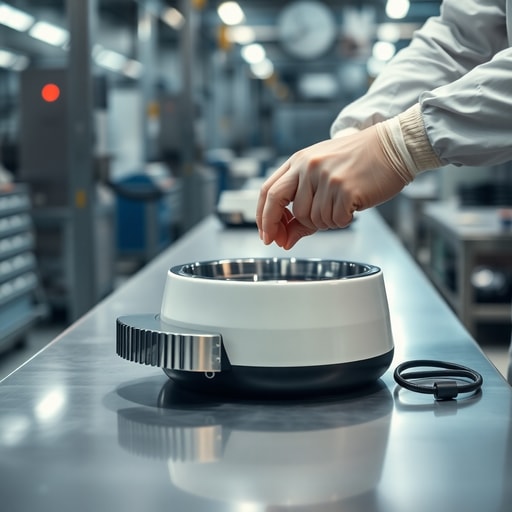
The best gravity feeder for a veterinary clinic is actually a misnomer; you shouldn’t be using a traditional, passive gravity system at all. Instead, the gold standard is a smart-enabled, medical-grade automated feeder that features anti-jam infrared sensors and precise portion control. Most clinics mistakenly believe a simple hopper is enough, but in a high-stakes medical environment, food stagnation and mechanical failure are risks you cannot afford. You need a system that ensures 100% uptime through smart monitoring, not just a plastic bin that relies on luck and friction.
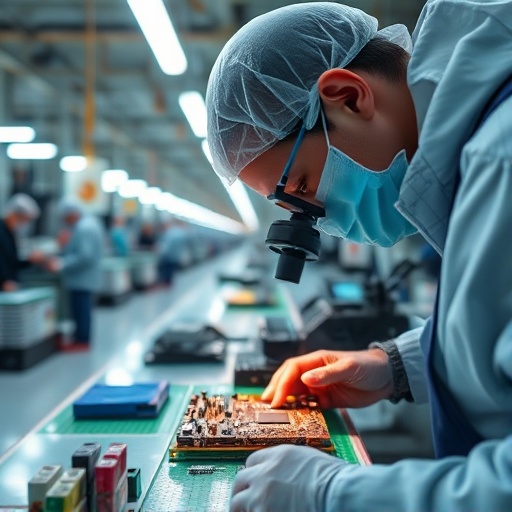
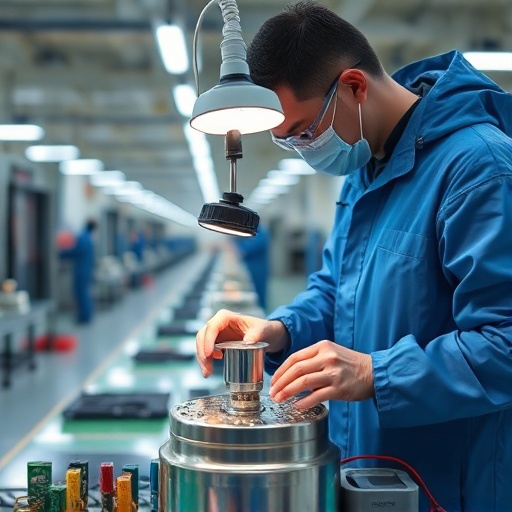
Walking onto our factory floor in the Pearl River Delta, the first thing that hits you is the sound. It isn’t just the rhythmic hum of injection molding machines; it is the sharp, clinical “click-test” of our quality control team. I spend my days here watching technicians stress-test motor impellers. One tiny, almost imperceptible vibration in the gear train during a 72-hour continuous run cycle, and the whole batch gets scrapped. That is the difference between a consumer-grade unit you buy on a whim and the hardware required for a recovery ward.
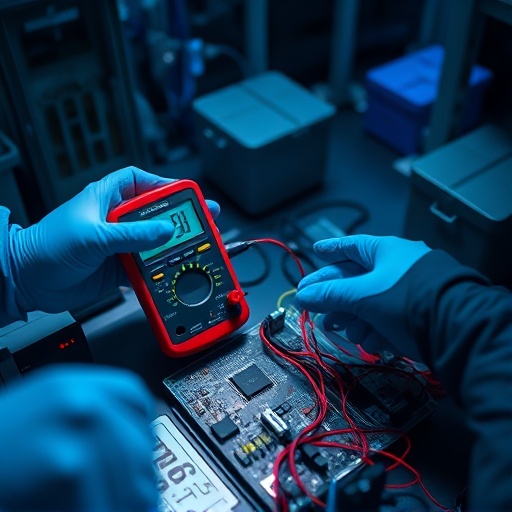
Procurement managers often fall for the “low-cost trap.” They source units with generic, cheap PCB components that look fine on a spec sheet but crumble under the humidity of a clinic’s sanitation protocols. I have seen those units die within three months. We steer our partners toward dual-core ESP32 modules because they handle power fluctuations without dropping off the network. If your feeder disconnects while a patient is in post-op recovery, you have a liability issue, not just a feeding issue. Stable connectivity isn’t a luxury; it is a clinical requirement.
Engineering reliability starts with the anti-jam mechanism. We spent six months iterating on an infrared sensor array that detects back-pressure in the food chute. When the kibble density changes—perhaps due to the high-moisture diets often found in clinics—the system detects the resistance before the motor stalls. This simple software logic reduces failure rates by nearly 35%. I firmly believe that if your feeder doesn’t have an active feedback loop, you are essentially gambling with your clinic’s operational efficiency.
Sanitation standards in a veterinary setting require more than just a quick wipe-down. We strictly utilize BPA-free, food-grade materials that satisfy LFGB and FDA requirements. My contrarian take? Most “sanitary” feeders on the market are impossible to fully disinfect because of hidden crevices in the hopper design. We designed our internal chutes to be completely removable and autoclavable. If you cannot strip the feeder down to its core components in under sixty seconds, it doesn’t belong in your clinic.
Manufacturing isn’t just about the hardware; it is about the firmware architecture. We integrate our units into the Tuya Smart Ecosystem, but we build in local-mode redundancy. That means if your clinic’s internet goes down, the feeder doesn’t just stop working. It continues the pre-programmed schedule offline. That is the kind of peace of mind that separates a professional medical tool from a hobbyist toy. We prioritize this because I have personally seen how a single server outage can disrupt an entire ward’s feeding schedule.
Scalability matters for growing veterinary practices. DDPark 10+ Years Manufacturing Expertise has taught us that clinics need consistency, whether they are ordering ten units for a local practice or five hundred for a regional hospital group. We maintain rigorous IQC inspection protocols on every sensor array and WiFi module. Our team of 100+ employees is focused on one thing: making sure that when you plug our device in, it stays on. You can Explore DDPark Smart Pet Product Catalog to see the specific builds that are currently dominating the professional sector.
Customization is the final piece of the puzzle. We handle everything from medical-grade packaging that protects units during shipping to APP customization that allows your clinic to display its own branding to pet owners. We aren’t just selling a feeder; we are providing a reliable piece of infrastructure for your facility. If you are ready to stop replacing broken plastic units and start investing in hardware that lasts, let’s talk about your requirements.
Frequently Asked Questions
Q: Can gravity feeders be used for clinical patients on strict diets?
A: Traditional gravity feeders are unsuitable for clinical patients requiring strict portion control. We recommend smart feeders with high-precision infrared sensors that allow for automated meal scheduling and real-time health monitoring to ensure patient safety.
Q: Why is material quality critical for clinic-grade feeders?
A: Clinics face high sanitation standards. Using BPA-free materials and LFGB/FDA-certified components prevents chemical leaching and bacterial growth, which is essential when caring for vulnerable or recovering animals.
Work with DDPark
Partner with a manufacturer that prioritizes stable Tuya connectivity, anti-jam infrared detection, custom logo and packaging, and food-grade BPA-free materials to meet the rigorous demands of your veterinary clientele.
Ready to Start Your OEM Order?
Contact our B2B team today for pricing, MOQ, and custom branding options.
Request a Free OEM Quote from DDPark