Why Does My Gravity Feeder Battery Failure and How to Solve It: A Guide for Distributors
Most battery failures in gravity pet feeders are not caused by the batteries themselves, but by flawed power management architecture and poor component integration. If you are fielding constant complaints, the answer is usually found in the interplay between the motor’s current draw and the firmware’s sleep-cycle efficiency. When a device fails to manage its power budget, the battery drains prematurely, leaving pet owners with a “dead” unit after only a few weeks of use.
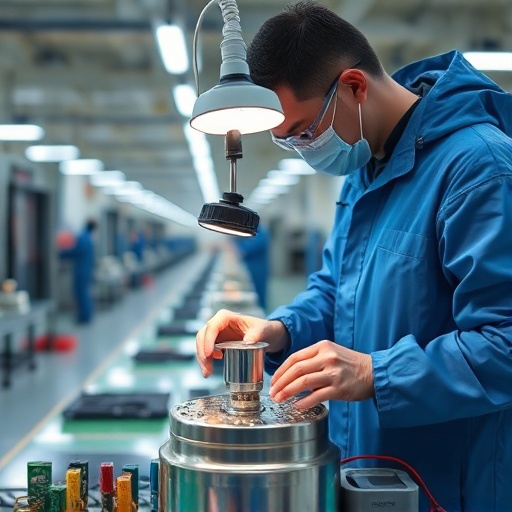
Standing on the factory floor in Shenzhen, the air hums with the rhythmic *clack-clack* of injection molding machines. I have spent twelve years watching these lines. I’ve seen the difference between a feeder built for a quick margin and one built for longevity. When a client asks me why their units are failing, I don’t look at the batteries; I look at the motherboard. If the PCB lacks a proper voltage regulator or is burdened with inefficient firmware, no brand of battery will save that product from a premature death.
### The Anatomy of a Power Crisis
Manufacturers often cut costs by sourcing “bargain” micro-controllers. These chips are notorious for their lack of deep-sleep optimization. In a smart feeder, the device spends 99% of its time in standby mode. If the firmware is poorly written, the chip constantly polls the WiFi signal or checks for sensor input, effectively “leaking” power every millisecond.
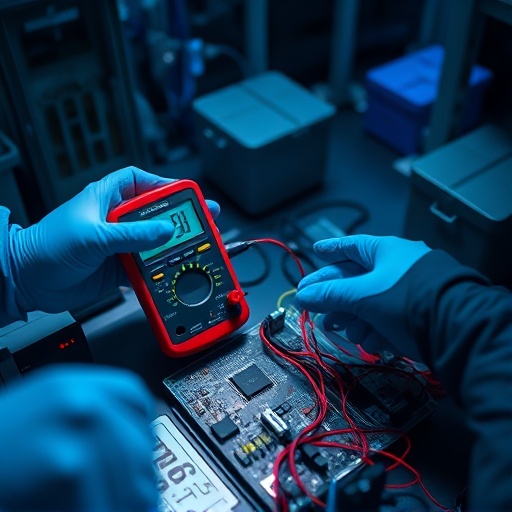
I remember walking past a testing station where we were stress-testing a competitor’s unit. The smell of ozone was faint but distinct—a sign of a heating component drawing too much current. That feeder was doomed before it even left the assembly line. Cheap PCBs act like sponges for energy. If your supplier is sourcing boards from a facility that lacks moisture-controlled environments, those boards will oxidize. Oxidation creates micro-shorts. Micro-shorts kill batteries. It is that simple.
### Troubleshooting the Failure
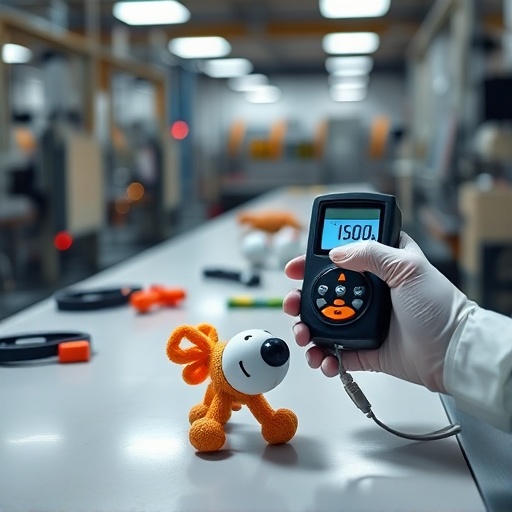
When your customers ask, “why does my gravity feeder battery failure and how to solve it,” provide them with a diagnostic path that highlights the hardware reality. Start by checking for motor strain. A gravity feeder’s motor is the single largest consumer of power. If the food chute is poorly designed, the motor struggles against the weight of the kibble, spiking the current draw.
1. **Verify the Load:** Ensure the kibble size is compatible. If the auger jams, the motor stalls and drains the battery in hours.
2. **Inspect the Contacts:** Look for signs of battery leakage or corrosion. Even a tiny amount of moisture, combined with cheap metal contacts, creates high resistance.
3. **Assess the Firmware:** If the device is WiFi-enabled, check the signal strength. A weak WiFi signal forces the chip to boost its power to maintain a connection, which is a common, overlooked battery killer.
### The Contrarian View on Battery Life
Industry peers will tell you that the solution is to increase the battery capacity. I disagree. Adding a larger battery is just a bandage on a sucking chest wound. You are not solving the efficiency problem; you are just masking the symptoms. If a feeder cannot run for at least four months on a standard set of cells, the engineering is fundamentally broken. My advice is to stop chasing higher-capacity batteries and start demanding better power-management circuitry from your OEM.
Efficiency is born in the design phase. We prioritize components that allow the device to “wake up” only when absolutely necessary. By refining the interrupt-driven firmware, we can often double the battery life of a unit without changing a single physical component.
### Manufacturing Standards Matter
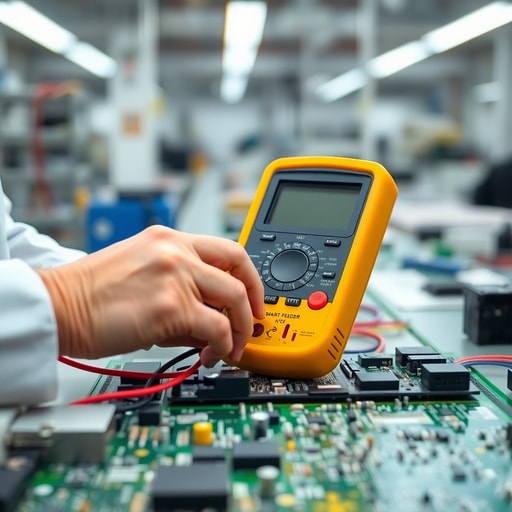
You should be skeptical of any supplier who cannot explain their power-draw testing process. During our assembly, we run every board through an automated optical inspection. We look for the “ghosts” in the machine—those microscopic solder bridges that don’t cause an immediate failure but will cause the device to “act up” once the consumer takes it home.
If you want to move away from the cycle of returns and support tickets, you need to audit your supply chain. Are they using conformal coatings to protect against humidity? Are they testing the motor’s stall current under load? These are the hidden variables that define whether a product is a success or a liability.
### Partnering for Longevity
At DDPark, we have spent over a decade perfecting these systems. We understand that your reputation relies on the hardware sitting in your customer’s living room. Whether you are looking to explore our DDPark Smart Pet Product Catalog or need specific help with DDPark 10+ Years Manufacturing Expertise, we provide the technical rigor required to eliminate these failures.
We export to over 50 countries, and our products carry CE, FDA, and RoHS certifications. We know that as a distributor, your brand is only as good as the hardware behind it. We offer flexible MOQ for startups and distributors, ensuring you don’t have to overextend your capital to bring high-quality, reliable products to market.
Stop troubleshooting and start preventing. Request a Free OEM Quote from DDPark today, and let’s ensure your customers never have to ask why their feeder stopped working again.
Frequently Asked Questions
Q: Can a firmware update fix a battery-draining feeder?
A: Sometimes. If the issue is related to how the chip manages its “sleep” state, an OTA update can optimize the power cycle and improve battery life significantly.
Q: Why do some feeders work fine in the factory but fail in the home?
A: Home environments vary wildly in humidity and WiFi stability. A device that is not protected by conformal coating will suffer from oxidation, leading to parasitic power draw.
Q: What is the most common cause of motor-related power failure?
A: Poor gear alignment. When the motor is misaligned, it requires more torque to turn the auger, leading to massive current spikes that deplete batteries rapidly.
Work with DDPark
Experience the DDPark difference with custom logo and packaging, low MOQ support, CE FCC RoHS certified, and our signature low-noise motor system designed for long-term reliability.
Ready to Start Your OEM Order?
Contact our B2B team today for pricing, MOQ, and custom branding options.