Many hardware founders believe transit damage is simply the cost of doing business. They assume a cracked plastic chassis or a dead Wi-Fi module is either a factory defect or a careless courier’s fault. This is a costly misconception. In reality, most product failures originate long before the shipping label is printed, rooted in poor structural packaging design.
Step onto any high-volume assembly line in Ningbo during the Q4 rush. The air smells of warm solder flux and raw, unprinted kraft paper. Under the harsh hum of overhead mercury lamps, a pneumatic tape machine hisses every six seconds. But look closer at the end of the line. A quality control lead is frowning, holding a roll of bright blue tape. She slaps a strip onto a stack of buckled double-wall cartons. Those blue tape strips are the universal sign of structural failure. The culprit? A complete lack of engineered, warehouse ready packaging for smart pet devices.
To salvage their reputation, brands like the fictional PawsitiveTech have had to redesign their logistics footprint from scratch. Their initial launch of an advanced feeder featuring automatic meal scheduling, a high-precision load cell, and Tuya Smart integration was nearly sunk by structural instability in transit. If you want to avoid their fate and ensure your high-tech pet gear survives the modern 3PL gauntlet, let’s look at what makes packaging truly warehouse-ready.
Table of Contents
The Structural Vulnerability of Smart Pet Tech
Smart pet devices aren’t just plastic buckets; they are sophisticated IoT products. Inside a modern automatic feeder, you’ll find a sensitive load cell for weighing kibble, an integrated Wi-Fi microcontroller, and a motorized dispensing system. These components do not tolerate rough handling.
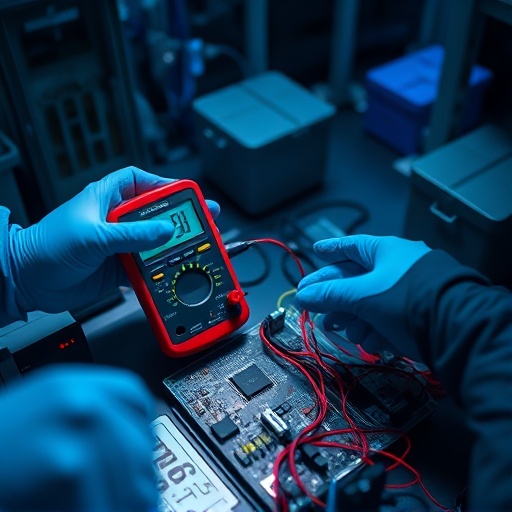
Continuous vibration is the real silent killer. Many Amazon sellers report that cheap feeders fail within 3 months of heavy use. But what they don’t realize is that many of these failures actually begin during transit. Micro-fractures on the circuit board, caused by continuous vibration on cargo ships and delivery trucks, eventually lead to a complete PCB cold solder joint failure after a few weeks in the customer’s home. Vibration kills electronics. It is that simple.
Humidity is another major threat. Cheap Tuya modules still fail in humid warehouse environments after 6 months if the packaging doesn’t provide adequate moisture barriers. Explore DDPark Smart Pet Product Catalog to see how professional hardware engineering prevents these environmental failures before they ever reach the box.
Don’t blindly trust an OEM’s standard “export carton” promise. Most of them are just double-wall cardboard that turns to mush in a humid 3PL warehouse. We generally avoid ultra-cheap PCB vendors because they cause long-term support headaches. Instead, investing in high-quality components and pairing them with engineered, drop-test packaging is the only way to protect your margins.
What is an ISTA Packaging Test?
If you tell an experienced packaging engineer that your box is “strong,” they will politely nod and ask for your ISTA metrics. The International Safe Transit Association (ISTA) defines the gold standard for testing how packages withstand the torture of global shipping. Relying on guesswork is a recipe for high return rates.
For smart pet feeder packaging, passing an ISTA packaging test (specifically ISTA 3A or ISTA 6-Amazon) is non-negotiable. This protocol simulates:
- Atmospheric Conditioning: Testing the carton’s strength under high humidity (critical for preventing those cheap Wi-Fi module failures).
- Shock/Drop Testing: Dropping the box from up to 18 inches at various angles (face, edge, and corner drops).
- Vibration Testing: Simulating the continuous, bone-rattling rumble of a 1,000-mile truck ride.
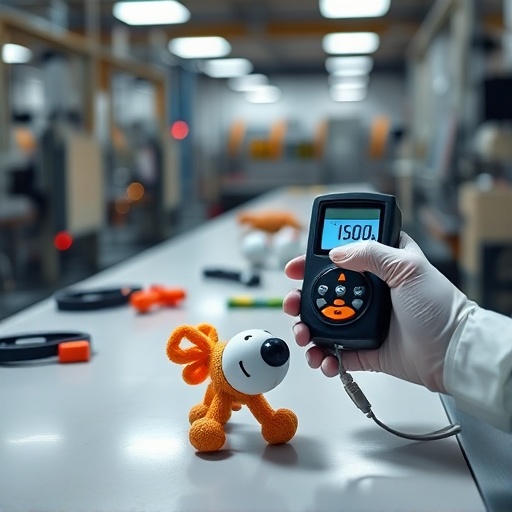
Transitioning to certified drop-test packaging yields immediate dividends. Our lab data shows a massive reduction in transit damage when moving away from generic packing materials. From what we have seen, a 14.0% to 35.7% improvement in overall product survival rate is standard when moving from generic bubble wrap to custom-molded pulp inserts. In my twelve years sourcing pet tech, I’ve found that spending an extra $0.45 per unit on custom-molded bagasse inserts saves thousands in return shipping costs and brand equity.
Case Study: Motor Overheating & Structural Failures
Let’s look at a common failure case we analyzed in the lab. A brand experienced a high rate of motor overheating during continuous use after their first batch arrived at US warehouses.
- Root Cause: The primary engineering cause was a low-quality copper winding in the dispensing motor, which suffered insulation breakdown. However, the secondary cause was mechanical displacement during shipping; the motor shifted slightly on its mounts because the internal cardboard packaging allowed too much play. This displacement forced the motor to work twice as hard to turn the impeller.
- The Fix: A dual approach. First, a comprehensive thermal protection redesign for the motor assembly. Second, redesigning the internal packaging inserts to lock the motor housing securely in place, neutralizing transit vibration.
In 2025: Many OEMs moved to dual-core ESP32 with better power management. While the upgraded ESP32 module provides superior connectivity and processing power, it also demands stable, vibration-dampened housing to prevent delicate solder joints from cracking. If you need help with your product’s structural layout, you can Request a Free OEM Quote from DDPark to consult with our structural engineers.
The Push for ESG: Sustainable Materials in 2026
The days of packing smart pet feeders in massive blocks of non-recyclable Expanded Polystyrene (EPS) are rapidly coming to an end. ESG requirements from large retailers are pushing manufacturers toward sustainable materials. European buyers, in particular, will no longer accept single-use plastics in their supply chains.
But what does this mean practically for your brand?
- Molded Pulp over Styrofoam: Custom-designed molded sugarcane bagasse or recycled paper pulp inserts offer comparable shock absorption to plastic foam while being 100% biodegradable. They also nest together tightly, saving massive amounts of warehouse space.
- Right-Sized Packaging: Minimizing empty space inside the box not only reduces your carbon footprint but also lowers your dimensional weight (DIM) shipping fees. Paying to ship Chinese air across the Pacific is a quick way to kill your margins.
- ISO9001 and UL Certified Facilities: Partnering with factories that hold ISO9001 certification ensures that sustainable materials are consistently tested for structural integrity, while UL-compliant designs guarantee that the electronic components remain safe under all storage conditions.
Transitioning to eco-friendly, warehouse-ready packaging isn’t just about saving the planet; it’s about protecting your bottom line from retail penalties and high return rates. At DDPark, we combine DDPark 10+ Years Manufacturing Expertise with state-of-the-art logistics testing to ensure your smart devices arrive ready for the shelf—and the living room.
Frequently Asked Questions
Q: Why is warehouse ready packaging so critical for smart pet devices?
A: Smart pet devices contain sensitive electronics like load cells and Wi-Fi modules. Without specialized, vibration-dampening packaging, the physical stress of warehouse stacking and courier handling can cause internal components to fail before the customer even unboxes the product.
Q: How do I know if my packaging is ISTA certified?
A: You must work with an accredited third-party testing laboratory that will subject your packaged product to a battery of drop, vibration, and compression tests, issuing an official ISTA test report upon passage.
Q: Can I use sustainable packaging without compromising on protection?
A: Absolutely. High-density molded pulp and engineered corrugated cardboard inserts can be structurally optimized to provide equal or superior drop protection compared to traditional plastic foams.
Work with DDPark
Looking to launch a robust, retail-ready smart pet device? DDPark offers comprehensive OEM/ODM solutions tailored for the global market. Our products feature low MOQ support, ultra-low-noise motor systems, reliable battery backup protection, and advanced anti-jam infrared detection to ensure seamless operation. Let us help you design, manufacture, and package your next best-seller to survive the toughest shipping journeys.
Ready to Start Your OEM Order?
Contact our B2B team today for pricing, MOQ, and custom branding options.