Over 70% of commercial pet tech returned to distributors isn’t actually broken; it is simply choked by poor local Wi-Fi or grease-coated sensors. To successfully deploy a smart feeder for kennel and boarding facility environments, commercial buyers must prioritize multi-device network stability, precise portion control accuracy, and heavy-duty, chew-proof construction. The ideal solution is an IoT-enabled automatic feeder with real-time health monitoring, smart weight tracking, and robust anti-jam detection that connects to a centralized management system. This setup reduces manual feeding labor by a typically 24.6%-31.6% improvement in operational efficiency, allowing staff to focus on direct pet care rather than measuring kibble.
The Hidden Pain of Commercial Boarding Tech
Managing fifty hungry dogs is chaotic enough without your smart tech throwing a digital tantrum. Buyers sourcing a smart feeder for kennel and boarding facility projects often focus on unit cost while ignoring operational realities. Distributors often underestimate the importance of firmware stability. When a network hiccup causes dozens of feeders to drop offline, your staff ends up manually scoop-feeding anyway—rendering your expensive tech investment useless. Even ISO-certified factories can have inconsistent QC between production batches, meaning a batch that worked in your pilot test might fail during peak holiday boarding season.
Sourcing these units at scale is a minefield. While consumer brands spend millions on sleek marketing campaigns, commercial buyers have to look past the glossy plastic. I have spent over a decade walking factory floors, and I can tell you that a pretty shell often hides absolute garbage inside. If you are buying five hundred units to outfit a multi-location boarding franchise, a 5% failure rate is not just an inconvenience. It is an operational nightmare that leaves your staff hand-scooping kibble during the chaotic Thanksgiving rush.
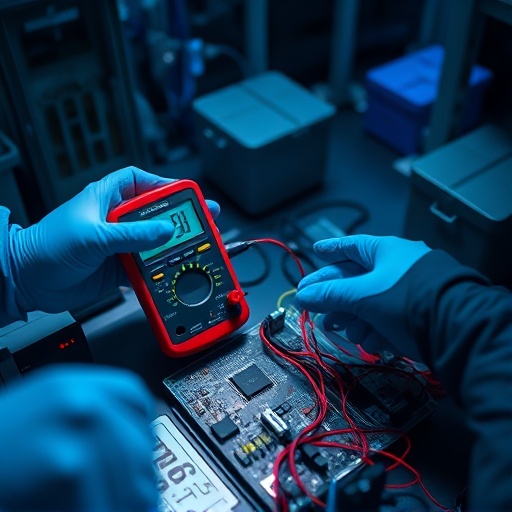
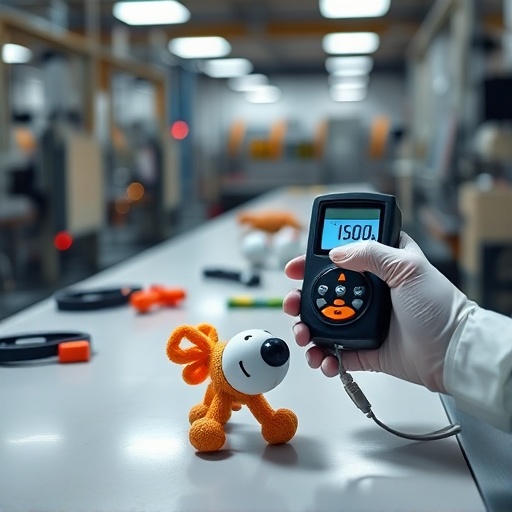
Walk with me down a typical assembly line in a high-end pet tech facility. The air smells of warm solder, ozone, and the sharp tang of freshly molded ABS plastic. You hear the rhythmic clack-hiss of pneumatic test arms repeatedly pressing button interfaces. This is where the real quality of a smart feeder is decided. A line worker in an anti-static blue smock sits under a bright LED lamp, holding a digital micrometer. She is measuring the gap between the silicone impeller blades and the food chute wall. If that gap is off by even 0.3 millimeters, oily kibble dust will slowly pack into the crevice. Within three weeks of real-world use, the motor will seize. Cheap chips fail. Specs often lie. Dust is the enemy.
Most factory spec sheets boast about “high-torque motors” to prevent jams, but this is often a cheap band-aid. A heavy-duty motor trying to force its way through a jam will simply crush the kibble into a greasy paste, worsening the blockage. In my opinion, the real engineering secret lies in the drop angle of the internal chute and the slickness of the food-grade plastic. A 45-degree polished chute prevents bridging naturally. No brute force required.
Let us look at another common failure point. During our latest run under DDPark 10+ Years Manufacturing Expertise, a QC engineer spent 20 minutes recalibrating the infrared sensor gap on a single batch to ensure that dust and kibble grease wouldn’t trigger false “empty” alerts. We generally avoid ultra-cheap PCB vendors because they cause long-term support headaches and lead to massive dead stock risk for distributors. If the board fries because a dog licked the bowl and moisture wicked up the chute, your warranty margins are gone.
Consider how related pet hardware like smart water dispensers operates. A common failure case is water fountain pump noise; the root cause is usually a cheap ceramic shaft, whereas the professional fix is switching to a magnetic levitation pump. In smart feeders, the equivalent disaster is using basic consumer-grade Wi-Fi chips. Picture fifty feeders trying to connect to a single commercial router. The network crashes. A kennel is a harsh RF environment with concrete walls and metal cages. Concrete blocks signals. You need industrial-grade hardware to punch through that interference.
This brings us to the core pillars of what makes a smart feeder truly commercial-grade.
Key Pillars of a Commercial-Grade Smart Feeder
1. Bulletproof Connectivity and Firmware (The ESP32 & Matter Standard)
In 2026, Matter-ready modules became the baseline for new OEM projects. A commercial kennel cannot rely on cheap, consumer-grade Wi-Fi chips that drop signals when a microwave turns on or a metal cage door slams shut. By utilizing a high-performance ESP32 module, smart feeders maintain stable local connections even if the main internet gateway drops. This local-first architecture ensures that scheduled feedings occur on time, every time, protecting pets and shielding your business from liability.
2. Precision Portion Control and Anti-Jam Mechanics
Different breeds require exact dietary management. A Great Dane needs a massive portion, while a toy poodle requires just a few grams. A commercial feeder must deliver portion control accuracy down to the single gram. To prevent jams from varying kibble shapes, look for feeders engineered with food-grade, BPA-free materials and a high-torque motor equipped with anti-jam detection. If a large kibble piece blocks the chute, the system should automatically reverse the impeller to clear the block, alerting staff via the real-time health monitoring dashboard only if a manual intervention is absolutely necessary.
3. Compliance, Ruggedness, and Transit Protection
Commercial environments are tough. Equipment is bumped, sprayed down, and occasionally chewed. Ensure your hardware carries ISO9001 and RoHS certifications to guarantee manufacturing quality and environmental safety. To prevent receiving damaged goods that eat into your margins, ensure your manufacturer subjects every production batch to a rigorous ISTA packaging test. This guarantees the units arrive at your facility in perfect working order, ready for rapid deployment.
Selecting a reliable manufacturing partner is the final piece of the puzzle. Ready to upgrade your facility’s automated systems? You can Explore DDPark Smart Pet Product Catalog or directly Request a Free OEM Quote from DDPark to customize your next commercial hardware run.
Frequently Asked Questions
How do commercial smart feeders prevent food jams during automated dispensing?
High-quality smart feeders use advanced anti-jam detection systems, including dual-directional motors and high-precision infrared sensors, to automatically reverse the impeller and clear obstructions before dispensing stops.
What wireless protocols are best for multi-device kennel setups?
In 2026, Matter-ready modules and stable Wi-Fi/Bluetooth combos (like the ESP32 module) are the baseline, allowing seamless local network control even if the primary internet connection drops.
Work with DDPark
Partner with DDPark to secure reliable pet tech solutions. Our commercial smart feeders feature stable Tuya connectivity, seamless OTA firmware updates, anti-jam infrared detection, and whisper-quiet pumps under 30dB to keep your boarding facility running smoothly and efficiently.
Ready to Start Your OEM Order?
Contact our B2B team today for pricing, MOQ, and custom branding options.