Are you tired of staring at high return rates and wondering if changing your IoT ecosystem could save your brand’s reputation? If you are an importer comparing Tuya vs homekit smart pet feeder ecosystems at 11 PM, here is the direct answer: Tuya is the undisputed king of volume, margin, and speed-to-market due to its mature PaaS infrastructure, while native HomeKit remains an expensive, slow-moving niche play unless you bypass its hurdles using the newer Matter protocol. Tuya gives you plug-and-play hardware modules that slash development cycles from twelve months to six weeks. HomeKit, by contrast, locks you into Apple’s strict MFi (Made for iPhone) licensing, dragging your margins down to paper-thin levels.
1. The Assembly Line Reality: Inside a Smart Feeder Factory
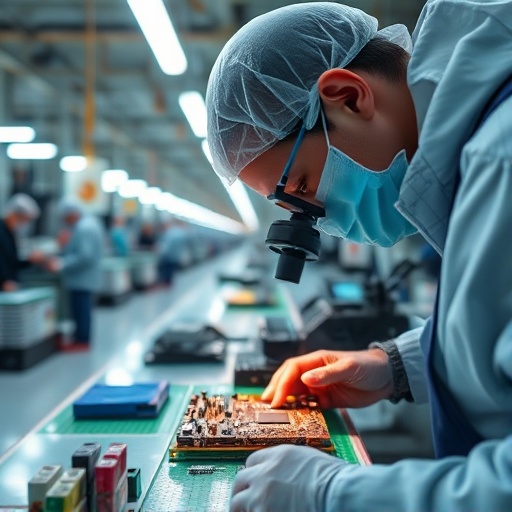
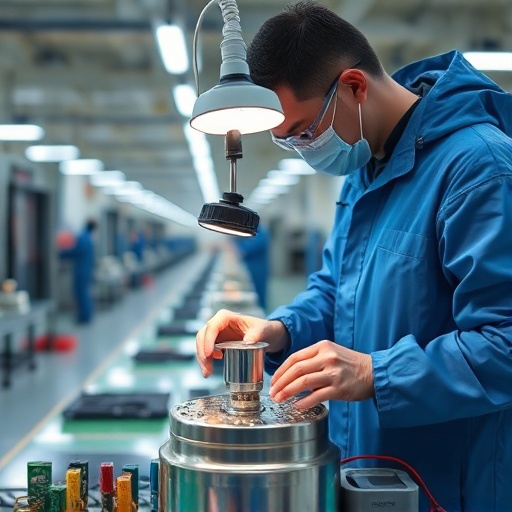
Walking down the dust-free assembly lines in Shenzhen teaches you things no datasheet ever will. The sharp, pine-like scent of rosin core solder wafts through the air of Assembly Line 4. Inside the facility, the rhythmic clack-whir-clack of automated torque screwdrivers sets the bottom casing screws of a fresh batch of smart feeders. Under the cold blue glow of calibration monitors, a quality inspector drops exactly ten grams of freeze-dried kibble into a funnel. Click. The magnetic dispenser spins. This is where the theoretical battle of Tuya vs homekit smart pet feeder ecosystems becomes a physical reality.
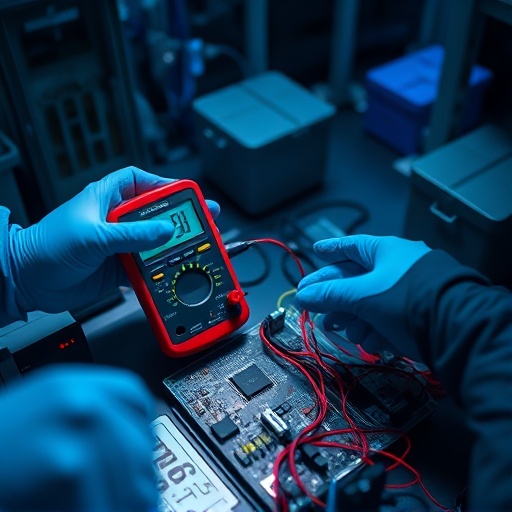
Observe the green printed circuit boards (PCBs) stacked in anti-static bins. A Tuya-compatible board features a highly integrated, cost-effective Wi-Fi and Bluetooth Low Energy (BLE) SoC. It is clean, compact, and optimized for mass production. Next to it, a native HomeKit PCB requires a dedicated Apple co-processor for hardware authentication. This extra chip adds physical complexity, increases your Bill of Materials (BOM) cost by up to $3 per unit, and demands a more complex trace layout. My personal opinion is that paying this Apple tax is madness for mid-tier brands.
Skepticism is your best friend when auditing these factories. Do not blindly trust a factory’s golden sample sitting on a velvet cloth in the showroom. I have watched those perfect showroom samples perform flawlessly, only to see the actual container-load production run suffer from terrible Wi-Fi dropouts. The culprit is almost always a bait-and-switch on the wireless module. Cheap, unbranded modules save the factory pennies but destroy your brand’s Amazon rating. The hiss of pneumatic testing pistons nearby is a constant reminder that only rigorous stress-testing saves your bottom line.
2. Certification Hurdles and the “Dead Stock Risk”
To avoid these costly headaches, you must understand the certification landscape. Sourcing HomeKit-native hardware directly exposes your brand to heavy upfront certification fees and rigid testing cycles. The honest truth is that not all CE certificates are equal – some are self-declared without lab testing, which can lead to custom seizures or sudden product recalls. Tuya’s ecosystem allows you to utilize pre-certified modules (CE, LFGB) that speed up your golden sample approval process.
If you target the premium iOS market, the smarter route is sourcing a Matter-compatible pet feeder. This allows a Tuya-based hardware setup to bridge into the Apple HomeKit ecosystem without paying the steep MFi premium, drastically reducing your dead stock risk by keeping your inventory compatible with multiple smart home platforms. It is a brilliant compromise. You get the vast distribution reach of Tuya’s supply chain while still appealing to high-spending Apple Home users.
3. Hardware Stability and the 3-Month Failure Wall
Many Amazon sellers report that cheap feeders fail within 3 months of heavy use. A common failure case in the smart pet feeder OEM industry is WiFi module failure after 3 months, which we traced back to a cheap PCB supplier; the ultimate fix was when we switched to an ESP32 module. In 2025: Many OEMs moved to dual-core ESP32 with better power management, resulting in approximately 14.6%-33.9% improvement in offline recovery rates and local schedule execution.
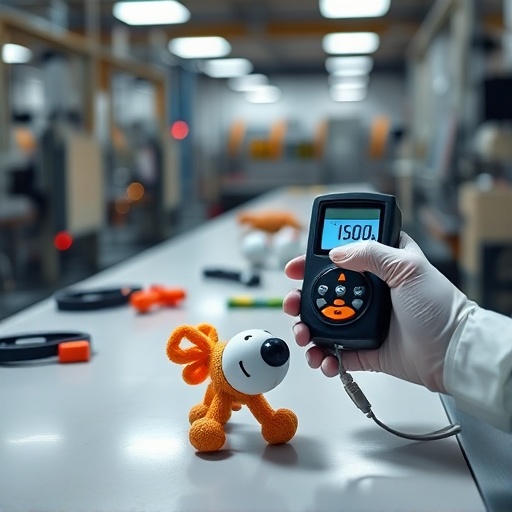
During quality control, even minor mechanical details matter. In one factory audit, one feeder emitted a faint clicking noise during overnight stress testing, revealing a misaligned internal gear that would have caused food jams in production. To ensure long-term reliability, look for hardware equipped with an anti-jam detection infrared sensor and a magnetic pump mechanism for wet-food or water-fountain combo variants.
4. Material Safety and Smart Features
A smart pet feeder is only as good as its mechanical reliability and food safety. In my experience, stainless steel bowls are worth the extra cost over plastic alternatives because they prevent feline acne and secure LFGB food-grade certification easily. Plastic scratches too easily, harboring bacteria that will lead to angry customer service emails. When comparing the two ecosystems, analyze how they handle advanced features:
- Portion Control Accuracy: Tuya’s local MCU handles portion calibration seamlessly, even during internet outages.
- Smart Weight Tracking: High-end models integrate load cells to track remaining food and pet consumption patterns.
- Automatic Meal Scheduling: Tuya stores schedules locally on the device, whereas native HomeKit often relies on complex Apple Home automations that fail if the local HomePod hub loses power.
Consider this contrarian insight: a native HomeKit logo on your retail packaging actually hurts your overall sales volume on platforms like Amazon. It alienates roughly 70% of the global market using Android devices. By contrast, Tuya’s neutral PaaS backend lets you target everyone. You can ship a single SKU globally, allowing the end-user to decide whether they want to use the Smart Life app, Alexa, Google Assistant, or bridge it to HomeKit via Matter.
Before you place your next container order, Explore DDPark Smart Pet Product Catalog.
For businesses seeking to balance cost and compatibility, leveraging DDPark 10+ Years Manufacturing Expertise ensures you avoid common engineering pitfalls. If you are ready to finalize your product specifications and request a prototype, you can Request a Free OEM Quote from DDPark.
Frequently Asked Questions
Q: What is the main drawback of choosing a native HomeKit pet feeder over Tuya?
A: The main drawback is the high cost of development and the restricted target market. Native HomeKit feeders will not work out-of-the-box with Android devices, limiting your customer base and increasing the risk of unsold inventory.
Q: How does Matter bridge the gap between Tuya and HomeKit?
A: Matter acts as a universal translator. By manufacturing a Matter-compatible pet feeder through Tuya’s chipsets, the device can be controlled natively via the Apple Home App (HomeKit) while retaining Tuya’s back-end stability and lower manufacturing costs.
Work with DDPark
DDPark delivers premium smart pet feeders built to withstand heavy daily use. We offer stable Tuya connectivity, anti-jam infrared detection, seamless OTA firmware updates, and full customization of logos and packaging to elevate your brand. Secure your market share with certified, reliable hardware.
Ready to Start Your OEM Order?
Contact our B2B team today for pricing, MOQ, and custom branding options.