The golden age of sneaking smart pet electronics through customs under the guise of “plastic pet bowls” is officially dead.
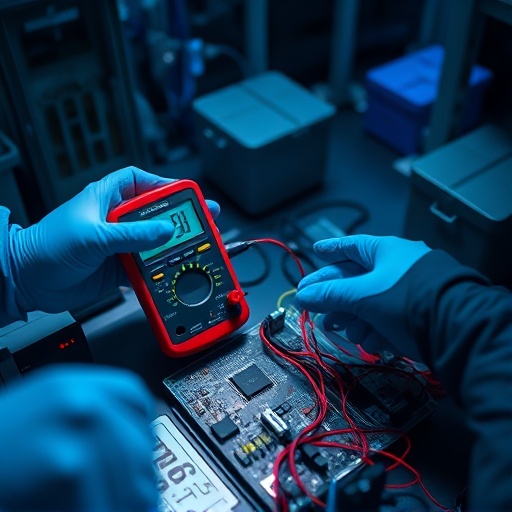
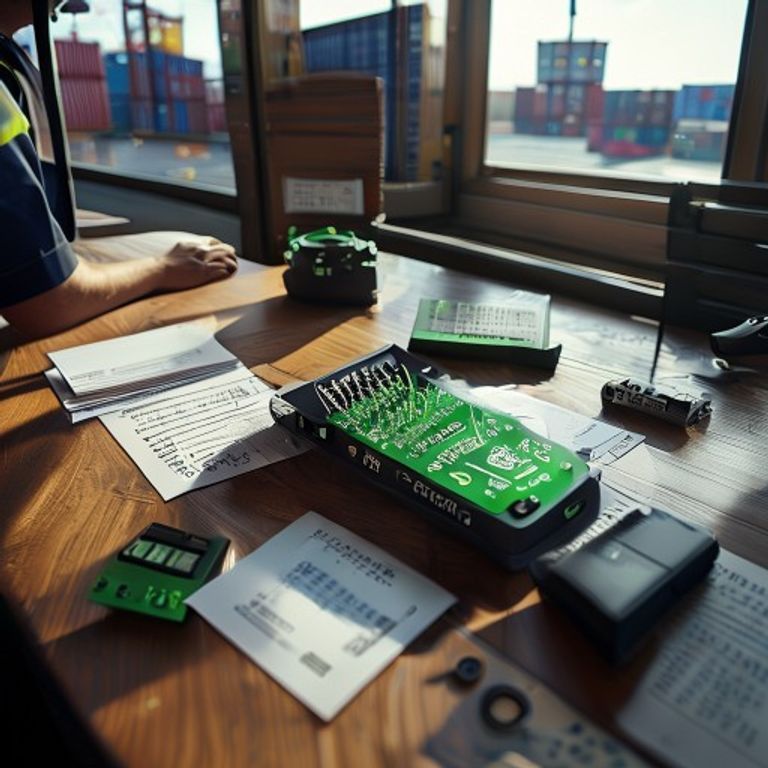
In early 2025, Marcus Vance, the founder of the mid-sized US pet brand Bark&Byte Co., faced an import nightmare. Eager to launch their new smart weight tracking dog feeder, the company ordered 5,000 units from an overseas supplier. To save on landed costs, they classified the shipment under a basic plastic household goods tariff code. However, during a routine customs audit, US Customs and Border Protection (CBP) flagged the shipment. CBP discovered that the feeders contained advanced integrated circuits, a WiFi PCB, and an infrared sensor.
The consequences were immediate: the shipment was reclassified under a much higher electronics duty bracket, hit with retroactive Section 301 tariffs, and delayed at the port for six weeks. This mistake cost Bark&Byte Co. over $45,000 in unexpected duties and demurrage fees. This scenario highlights why understanding the pet product import tariffs guide for US and EU buyers is not just a regulatory chore—it is a survival skill for the modern IoT pet ecosystem.
Table of Contents
1. Understanding HS Codes for Smart Pet Products
The Harmonized System (HS) code is the foundation of international trade. It determines the exact duty rate your products will face at customs. For traditional pet accessories, classification is simple. A basic dog bowl made of BPA-free materials is typically classified under plastic housewares. However, when you cross into the smart pet product space, classification becomes complex.
Step onto any modern pet tech production floor, and you will see why classification is so difficult. In the assembly bay, workers in anti-static smocks assemble smart feeders. You hear the sharp hiss of pneumatic screwdrivers. You smell the hot, metallic tang of lead-free solder flux from the wave soldering machine. What looks like a simple plastic hopper is actually an integrated electronic system. It houses a mainboard, a geared motor, and optical sensors.
Customs officers know this. They do not just look at the plastic exterior anymore. If your pet product contains a WiFi PCB, an infrared sensor, or smart weight tracking sensors, customs authorities will not view it as a simple plastic bowl. It will likely be classified under electrical machinery or telecommunication apparatus. Misclassifying these items—whether by accident or to avoid duties—can lead to severe penalties, shipment seizures, and audits. To avoid this, leverage DDPark 10+ Years Manufacturing Expertise to ensure your product documentation matches international standards.
2. US vs. EU Tariff Landscapes: What Buyers Must Know
US and EU buyers operate under very different regulatory and tariff frameworks. Understanding these regional differences is crucial for pricing your products and planning your supply chain.
The United States Market
US imports are heavily influenced by Section 301 tariffs, which place additional duties of up to 25% (or more) on specific goods manufactured in China. For electronic pet products, this can significantly impact your profit margins. Additionally, the US CBP strictly enforces certifications. If your smart pet feeder does not have the proper UL or FCC markings, it can be held indefinitely.
When sourcing smart feeders, remember that operational reliability is key. Kennel operators need feeders that run 24/7. Reliability matters more than flashy features. If your product is held at customs due to improper tariff classification or lack of certification, your brand’s reputation for reliability will suffer.
The European Union Market
European customs authorities do not have a direct equivalent to Section 301 tariffs, but their TARIC system is combined with incredibly strict compliance standards. EU buyers must navigate national Value Added Tax (VAT) rates ranging from 17% to 27%, alongside RoHS (Restriction of Hazardous Substances) and WEEE (Waste Electrical and Electronic Equipment) directives.
In my opinion, brands focus way too much on flashy app integrations while importing unshielded Wi-Fi modules that fail when exposed to a dog’s wet nose. In Europe, a lack of RoHS certification will get your product turned away at the border faster than an incorrect tariff code. Do not let a minor compliance slip-up freeze your entire supply chain.
3. The Hidden Cost of Cheap Hardware: Quality vs. Tariff Trade-offs
To offset high import tariffs, some buyers make the mistake of cutting corners on hardware. This strategy almost always backfires. Sourcing cheap components leads to high return rates, which quickly erases any savings from lower tariff brackets.
Here is a contrarian truth: paying a higher duty rate on a fully certified, premium sub-assembly is almost always cheaper than fighting a customs seizure on cheap, uncertified components classified under a lower tariff rate. Cheap hardware is a liability, not a savings strategy.
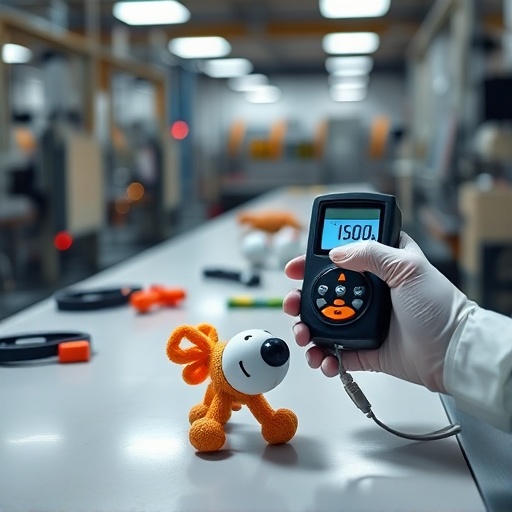
Let’s step into the reliability testing room of a high-end factory. Here, fifty smart feeders line the shelves, running continuous dispensing cycles. The air is warm, smelling of dry kibble dust and ozone. You hear the steady, rhythmic clicking of plastic gears. During an overnight stress test, a single feeder emits a faint, high-pitched whine. A quality control inspector flags it immediately. The culprit? A misaligned gear assembly from a cheap sub-supplier.
Consider the core wireless modules. In 2023: ESP8266 modules were common but OTA stability was poor. Buyers who imported these cheap modules faced frequent connection drops and were forced to push frequent firmware updates, which often required a costly firmware rollback. Even worse, cheap Tuya modules still fail in humid warehouse environments after 6 months, leading to dead stock before the product even reaches the consumer.
To illustrate the cost of cheap hardware, consider this common failure case:
Failure Case: High water fountain pump noise
Cause: Use of a cheap ceramic shaft to save on manufacturing costs.
Fix: Switched to a magnetic levitation pump, which eliminated the noise but required a complete product redesign.
Quality issues can be caught early with a strict IQC inspection (Incoming Quality Control) at the factory. Because the factory had a robust IQC inspection protocol, the issue was identified as a misaligned gear and corrected before the batch was packaged and shipped. Investing in high-quality components and strict quality control can lead to around 12.3%-44.3% improvement in product lifespan and customer satisfaction, easily offsetting the cost of import tariffs.
Ready to upgrade your product quality? Explore DDPark Smart Pet Product Catalog for reliable, pre-certified hardware.
4. Practical Mitigation Strategies for US and EU Buyers
While you cannot avoid tariffs entirely, you can use several strategies to minimize their impact on your business:
- Tariff Engineering: Design your product so that it qualifies for a lower-duty HS code. For example, shipping a smart feeder without the detachable plastic bowl, and sourcing the bowl locally, can sometimes reclassify the main electronic unit into a lower tariff bracket. Be warned: customs authorities are wise to superficial tariff engineering.
- Delivered Duty Paid (DDP) Shipping: Work with logistics partners who offer DDP terms. Under DDP, the seller handles all transport, customs clearance, and payment of duties, giving you a predictable landed cost.
- Work with Certified Manufacturers: Partner with manufacturers whose products already carry UL, CE, and RoHS certifications. This reduces the risk of customs delays and ensures your products meet US and EU standards.
If you want to streamline your supply chain and avoid customs issues, Request a Free OEM Quote from DDPark today.
5. Industry Trend: Matter Protocol & Smart Pet Ecosystems
Matter protocol adoption is reshaping smart home pet product compatibility. Historically, smart pet products operated within closed ecosystems or relied on basic integrations with the Tuya Smart Ecosystem. This often required buyers to import different hardware SKUs for different smart home platforms, complicating tariff classification and inventory management.
With the transition to the Matter protocol, smart pet products can communicate locally and securely across Apple Home, Google Home, and Amazon Alexa without proprietary bridges. For US and EU buyers, this means you can import a single, unified SKU that works across all major platforms. This simplifies your tariff documentation, reduces your inventory complexity, and ensures your products are ready for the future of the IoT pet ecosystem.
Frequently Asked Questions
Q: Can I use a general plastic HS code for smart pet feeders to save on tariffs?
A: No. Doing so is considered misclassification by customs authorities. If your product contains electronic components like a WiFi PCB or sensors, it must be classified under electronic or smart appliance codes. Misclassification can result in heavy fines, shipment seizures, and audits.
Q: What is the difference between US and EU compliance for smart pet toys?
A: The US focuses heavily on wireless compliance (FCC) and electrical safety (UL). The EU requires CE marking, RoHS compliance (limiting hazardous substances in electronics), and compliance with WEEE directives for electronic waste disposal.
Q: How does the Matter protocol affect my import strategy?
A: Matter protocol adoption simplifies your product lineup. Instead of importing separate versions of a smart feeder for different smart home ecosystems, you can import a single SKU that works across all platforms, simplifying customs documentation and reducing inventory costs.
Work with DDPark
Navigating international tariffs and compliance requires an experienced manufacturing partner. DDPark offers premium smart pet products designed for the global market. Our products feature stable Tuya connectivity, anti-jam infrared detection, overheat protection, and undergo strict aging tests before shipment to ensure maximum reliability.
Ready to Start Your OEM Order?
Contact our B2B team today for pricing, MOQ, and custom branding options.