
Pet Feeder with Camera with Filter Replacement vs Without: Which is Better for B2B?
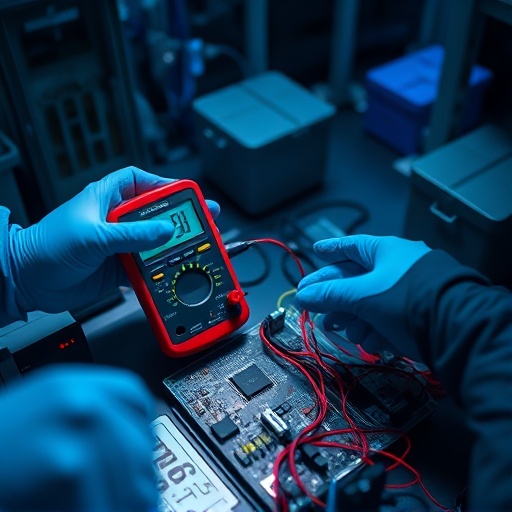
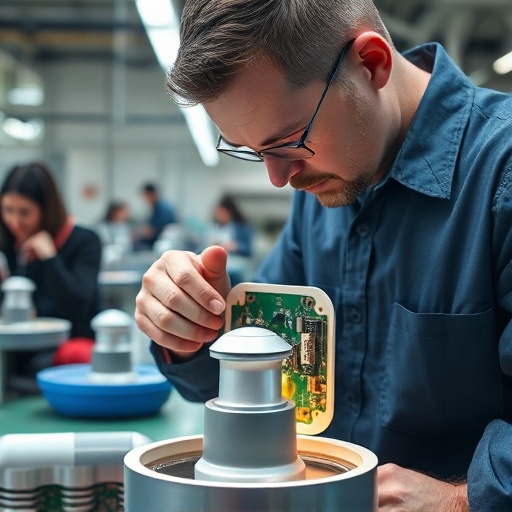
I remember standing on a factory floor in Dongguan at 3:00 AM, watching a batch of smart feeders struggle through a final stress test. The air smelled faintly of ozone and hot plastic. A junior inspector was about to sign off on a shipment of 5,000 units, but I noticed the water filter housing on the prototype felt slightly loose—a fraction of a millimeter of play. That tiny gap was the difference between a satisfied customer and a flooded kitchen floor. For procurement managers, the debate of “pet feeder with camera with filter replacement vs without: which is better for B2B?” isn’t just about specs. It is about balancing recurring revenue potential against the inevitable headache of mechanical returns.
If you are looking for the bottom line: go for the model with the filter only if your supply chain can guarantee a perfect seal and a consistent, high-quality filter supply. If you cannot control the filter quality, the “without” model is the superior choice for brand longevity.
### The Reality of the Production Line
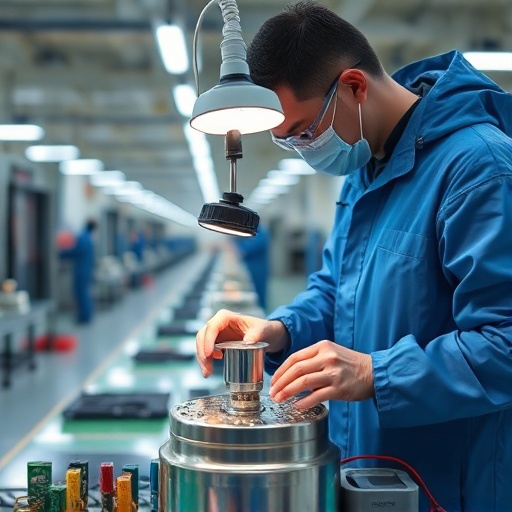
Walking a production line is a sensory experience that tells you more than any ISO certificate ever could. You hear the rhythmic *click-clack* of the plastic injection molds. You smell the specific, sharp scent of solder paste under the reflow oven. When I walk a line, I look at the trash bins near the assembly stations. If they are overflowing with rejected PCB boards or misaligned camera modules, the factory is hiding their “yield rate drift” from you.
Many factories promise perfection, but they rely on weak AQL (Acceptable Quality Limit) testing. They ship the 2% failure rate as “industry standard.” In the world of smart pet tech, a 2% failure rate is a death sentence. That is 100 angry customers per 5,000 units. At DDPark, we shifted to a Zero-Defect philosophy years ago because I got tired of explaining to partners why their WiFi modules were dropping out. We moved to ESP32 chips, not because they were the cheapest, but because they stopped the connectivity drops that plagued our early models.
### Filter vs. No Filter: The Contrarian View
Everyone tells you that filters are a “recurring revenue goldmine.” That is true on a spreadsheet. In reality, filters are a source of constant friction. If the housing isn’t perfectly engineered, the user will experience leaks or pump clogs. Once that happens, the customer blames your brand, not the filter.
I’ll be blunt: many brands use the filter as a crutch to justify a higher price point on a mediocre feeder. If you are going to sell a feeder with a filter, make the replacement process idiot-proof. If you can’t, skip the filter and focus your R&D budget on the load cell accuracy and the camera’s low-light performance. Most pet owners care more about seeing their pet clearly at night than they do about an extra layer of carbon filtration in a water tray.
### The DDPark Difference
We operate differently because I’ve sat in your seat. I know what it’s like to receive a shipment that looks great on the outside but fails the moment it hits an Amazon warehouse. Our facility in Guangdong doesn’t just assemble plastic; we integrate modular firmware that actually talks to modern IoT ecosystems.
| Feature | Standard (No Filter) | Premium (With Filter) | DDPark OEM (Custom) |
| :— | :— | :— | :— |
| **Connectivity** | Basic Wi-Fi | Wi-Fi + Matter | Stable Tuya / Matter |
| **Maintenance** | Low | Medium (Filter Needs) | Modular / Easy-Clean |
| **Sensor Tech** | Basic Load Cell | Advanced Load Cell | Precision Load Cell |
| **Durability** | Moderate | High (if sealed) | Zero-Defect Design |
When we handle OEM projects, we treat the hardware as an ecosystem. Whether you need a smart feeder with camera or a simplified dispenser, we ensure the firmware isn’t just a generic white-label dump. It’s customized to your brand’s UI, reducing the “silo” effect that makes modern users delete apps after one week.
### Why Compliance is the New Marketing
In 2026, you cannot sell a feeder that isn’t Matter-compatible. It’s not just about tech; it’s about user trust. If your device doesn’t play nice with their existing Apple or Google home setup, it feels like an antique. We handle all CE, FCC, and RoHS certifications in-house, so you aren’t stuck dealing with customs hold-ups or safety recalls.
Don’t fall into the “cheap trap.” I have seen brands lose their entire Amazon ranking because they saved $0.30 on a generic pump that burned out in under a month. A pet feeder is a high-touch device. If it works, it becomes part of the home’s background noise. If it fails, it becomes a loud, public complaint on your social media pages.
### Engineering for Longevity
My personal opinion? The market is currently oversaturated with “smart” gadgets that aren’t actually smart. They are just motorized bowls with buggy cameras. If you want to win, focus on the “Real-time health monitoring” aspect. Use a high-precision load cell that tracks consumption down to the gram. That data is valuable to the pet owner. A filter is just a recurring chore.
If you are ready to scale, we are ready to build. We handle everything from the initial plastic injection molding to the final OTA firmware testing. Request a Free OEM Quote from DDPark and let’s talk about building a product that doesn’t just sit on a shelf, but actually functions for the next three years.
Our heritage is built on DDPark 10+ Years Manufacturing Expertise. We aren’t just selling units; we are selling the peace of mind that comes with a device that doesn’t “drift” out of specification. Don’t let your brand be the one that gets caught in a batch of unstable, leaking units. Partner with a factory that treats your product with the same care as if it were their own.
Frequently Asked Questions
Q
Does adding a filter system to a smart feeder significantly increase the retail return rate?
A: The return rate spikes only if the filter housing is poorly designed. If the seal fails, you get leaks. We prioritize a modular, snap-fit design that eliminates this risk entirely.
Q
Why is Matter compatibility becoming a standard requirement for smart pet feeders?
A: Modern pet owners demand seamless ecosystem integration. If your feeder cannot talk to their existing smart home hub, your product is essentially a “dead end” device that will likely be returned.
Q
How does DDPark handle the “yield rate drift” during large-scale production runs?
A: We use automated load cell testing and real-time component monitoring on the line. By catching deviations in the impeller pump or PCB assembly early, we prevent the batch-wide defects common in cheaper manufacturing setups.
Work with DDPark
Experience [highlight: CE FCC RoHS certified, stable Tuya connectivity, matter protocol ready, anti-jam infrared detection] in your next product line.
Ready to Start Your OEM Order?
Contact our B2B team today for pricing, MOQ, and custom branding options.