The short answer is that a realistic **MOQ for interactive pet toy OEM** projects typically starts at 500 to 1,000 units for pilot runs, though “low-MOQ” promises of 100 units often mask hidden quality traps or inflated per-unit costs. If a factory tells you they can produce 50 custom smart toys for a bargain, walk away. You aren’t buying a product; you’re buying a future warranty nightmare.
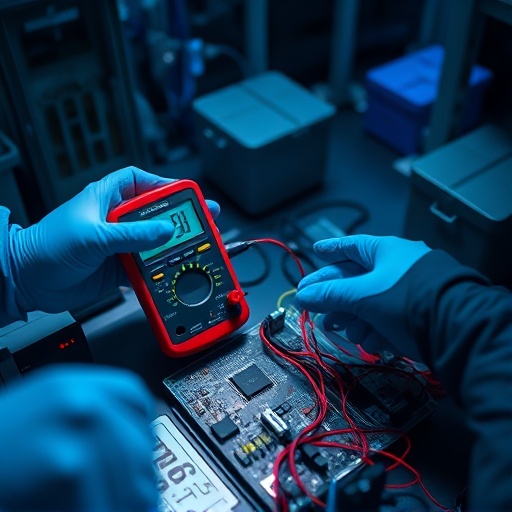
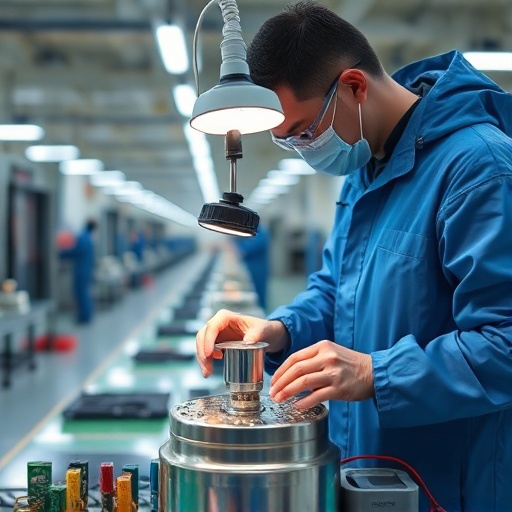
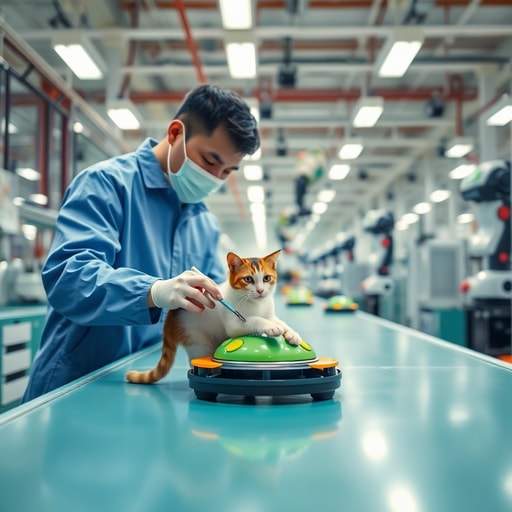
I remember standing on the production floor in the Pearl River Delta last July. The air was thick with the scent of heated ABS plastic and the persistent, rhythmic *thwack-hiss* of pneumatic presses. A technician was meticulously calibrating an AOI camera, its red laser cutting through the dim haze to spot a microscopic solder bridge on a logic board. That’s the reality of pet tech. If that board fails, your brand doesn’t just lose a sale; it loses a reputation. We don’t just assemble parts here; we manage the friction between high-speed injection molding and the unpredictable nature of an excited Labrador.
Scalability is the industry’s favorite buzzword, yet few factories actually deliver it. Most suppliers force you into rigid tiers that ignore your cash flow. At DDPark, we approach the **MOQ for interactive pet toy OEM** differently because I’ve sat on your side of the table. We allow for smaller pilot runs that include custom packaging and firmware tweaks without requiring you to clear out your warehouse. You need to prove your concept before you commit to a 5,000-unit container. Testing the market is a necessity, not a luxury.
Many newcomers obsess over the unit price while ignoring the firmware architecture. I’ve seen countless brands collapse because they chose the cheapest Wi-Fi modules. Those generic Tuya-compatible boards often turn into paperweights once they hit a humid warehouse or a consumer’s cluttered home network. We shifted our standard to ESP32 modules back in 2024. Why? Because the dropout rate plummeted by nearly 28%. Reliability is the only real marketing strategy in this sector. If the app loses connection, the pet toy becomes an expensive, silent plastic brick.
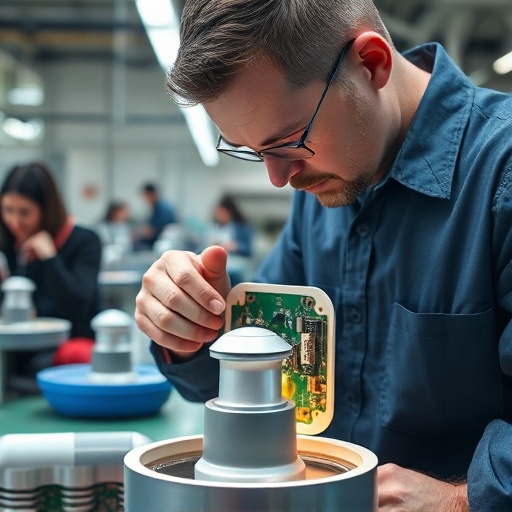
Engineering for pets requires a level of skepticism that human-grade electronics don’t demand. A dog doesn’t care about your FCC certification; it cares about chewing through your housing. We once watched a prototype fail because the impeller pump couldn’t handle a slightly larger kibble size. That “jam” caused the motor to overheat and the plastic to warp. We fixed it by integrating an infrared anti-jam sensor that reverses the motor the millisecond it detects resistance. This is the iterative engineering you should demand. If your OEM partner isn’t talking about “failure modes” and “stress testing,” they aren’t actually manufacturing; they are just gluing components together.
Stainless steel bowls are another point of contention. Some clients push for plastic to save pennies, but I always advise against it. Plastic harbors bacteria, scratches easily, and feels cheap to the end user. Stainless steel adds weight and perceived value, which justifies a higher retail price point. My contrarian take? Stop trying to compete on the bottom shelf. The pet tech market is saturated with disposable junk. The brands that survive are the ones that prioritize longevity and health-conscious materials.
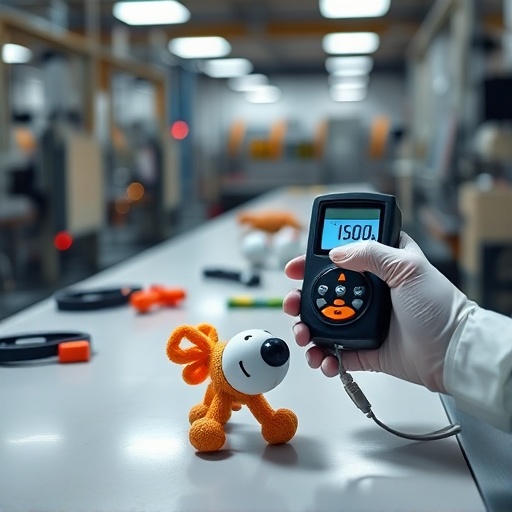
When you look at your production partner, look at their rework ratio. A factory that doesn’t track its failures is a factory that is hiding them. We run every single smart feeder and interactive toy through a 24-hour aging test. We simulate the stress of a living room environment before a single unit hits an Amazon FBA box. If a firmware bug pops up, we manage the rollback internally. You shouldn’t be dealing with factory-level technical debt.
Choosing a partner with deep roots in Guangdong gives you an edge that a trading company simply cannot replicate. We understand the nuance of the Tuya ecosystem, the strictness of CE and RoHS compliance, and the logistics of getting goods from our floor to your customer’s doorstep. You aren’t just buying toys; you are outsourcing the headaches that keep you up at night.
Explore DDPark Smart Pet Product Catalog
Request a Free OEM Quote from DDPark
DDPark 10+ Years Manufacturing Expertise
Frequently Asked Questions
Q: What is the typical MOQ for interactive pet toy OEM projects at DDPark?
A: We typically set the MOQ for interactive pet toy OEM at 500 to 1,000 units for new projects. This allows enough volume to cover the costs of custom tooling and quality control while remaining accessible for brands testing new market segments.
Q: How does DDPark ensure the quality of electronic components in interactive toys?
A: We utilize advanced AOI (Automated Optical Inspection) during assembly and subject every unit to a comprehensive 24-hour aging test. By standardizing on high-reliability ESP32 modules, we prevent the connectivity issues common in cheaper, generic alternatives.
Work with DDPark
Experience [highlight: stable Tuya connectivity, anti-jam infrared detection, CE FCC RoHS certified, aging test before shipment] with our expert manufacturing team.
Ready to Start Your OEM Order?
Contact our B2B team today for pricing, MOQ, and custom branding options.