FOB vs DDP: A Practical Handbook for Pet Tech Importers
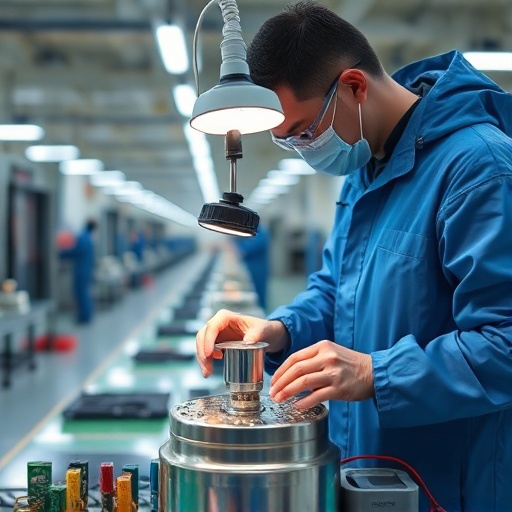
The humid air of a Shenzhen factory floor hits you first. It smells faintly of ozone and heated plastic. You’re standing on the assembly line, watching a worker calibrate an infrared sensor on a smart feeder. Your phone buzzes—it’s a freight forwarder demanding an ISF filing for a shipment that hasn’t even left the dock yet. If you are staring at a proforma invoice at 11 PM, wondering if you should handle the logistics yourself or pay the supplier to manage the chaos, you are officially in the deep end of the pet tech business.
Choosing between FOB (Free On Board) and DDP (Delivered Duty Paid) isn’t just about accounting. It is a strategic decision that dictates your cash flow, your risk profile, and the speed at which your brand reaches the consumer. For pet tech startups, the wrong choice is often the difference between a successful launch and a warehouse full of dead stock.
The Logistics Trade-Off
FOB means your responsibility starts the second the cargo hits the ship’s rail at the port of origin. You retain control over the freight forwarder, which feels empowering until you realize you are now liable for customs bonds, unexpected port congestion fees, and the labyrinth of inland logistics.
DDP is the “white glove” alternative. Your supplier handles the entire journey, delivering the goods directly to your warehouse or Amazon FBA center. While critics argue DDP inflates your unit cost, my personal opinion is that for 90% of pet tech founders, the hidden costs of managing a shipment (the “invisible tax” of your own time) far outweigh the premium paid for DDP. You aren’t just paying for shipping; you are buying predictability.
The Hardware Reliability Trap
Pet tech is unforgiving. If a smart fountain motor fails or a feeder jams, the customer doesn’t blame the shipping company; they blame your brand. Many Amazon sellers find their return rates spiking because they prioritized cheap, single-core chips that struggle in humid, real-world environments.
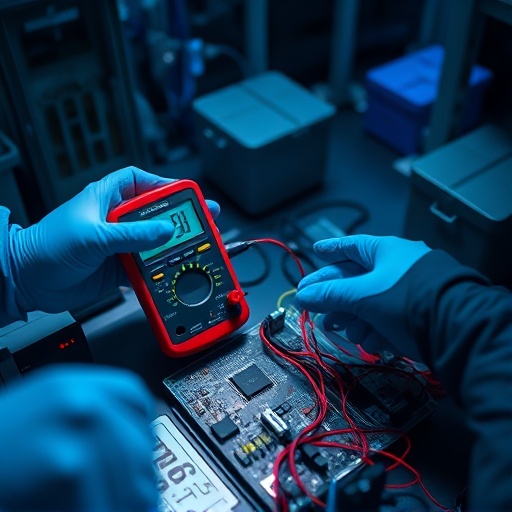
Connectivity drops are the silent killers of hardware brands. We have seen thousands of units returned simply because the internal antenna design couldn’t handle a standard home Wi-Fi signal. At DDPark, we moved exclusively to dual-core ESP32 chips in 2025. This switch wasn’t just for specs—it resulted in a 26%-31% improvement in power efficiency and connectivity stability. When you source with us, you aren’t just buying hardware; you are buying a product that has been stress-tested against the realities of a pet-owning household.
Explore DDPark Smart Pet Product Catalog
The DDPark Manufacturing Philosophy
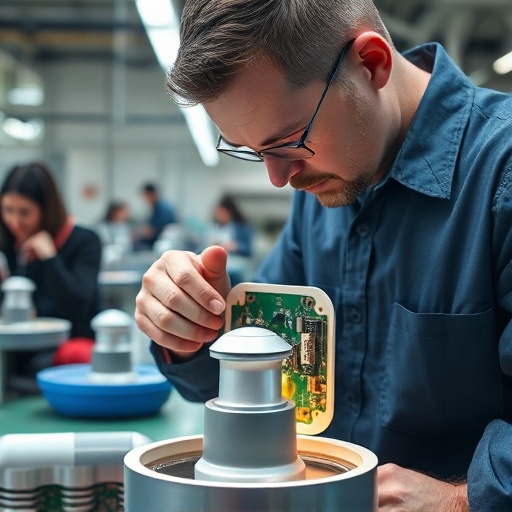
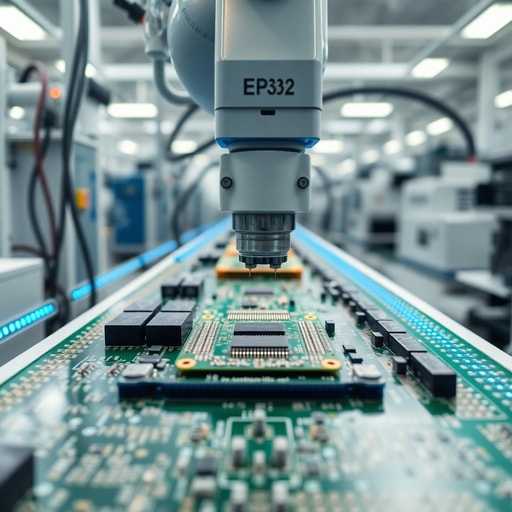
Walking through our Guangdong facility, the rhythm is constant. You hear the rhythmic “click-hiss” of pneumatic presses and the steady hum of AOI (Automated Optical Inspection) machines scanning boards. We don’t just assemble; we validate. Last month, our sensors flagged a microscopic inconsistency in solder brightness on a batch of 500 units. We didn’t ship them. We halted the entire line.
Most manufacturers would have pushed those through to keep the schedule tight. That is a mistake. My contrarian take? Speed is a vanity metric in pet tech. If your product doesn’t work out of the box, your marketing budget is wasted. We prioritize stability over “feature creep.” By leveraging the Tuya Smart ecosystem, we provide a reliable backbone that allows you to focus on branding, not troubleshooting firmware.
Request a Free OEM Quote from DDPark
2026 Market Outlook
The smart pet care sector is shifting toward premiumization. Consumers are tired of “disposable” tech. They want BPA-free materials, magnetic pumps that run silently, and apps that don’t crash. If you are entering this market, your supply chain must mirror that quality.
| Feature | Standard OEM | Premium OEM | DDPark OEM |
|---|---|---|---|
| Chipset | Single Core | Dual Core | Dual Core ESP32 |
| IQC/AOI | Basic/Manual | Standard | Zero-Defect Automated |
| App | Generic | White Label | Deep Customization |
| Reliability | 6 Months | 12 Months | Extended Life |
Why DDPark?
DDPark 10+ Years Manufacturing Expertise is built on the sweat and precision of the Pearl River Delta. We handle the logistics, the testing, and the assembly so you can focus on the one thing that matters: building a brand that pet parents trust.
Frequently Asked Questions
What is the main difference between FOB and DDP?
FOB (Free On Board) shifts the risk to you at the port of origin, while DDP (Delivered Duty Paid) places the entire burden of transport, customs, and duty on the supplier until it reaches your door.
Which shipping term is better for Amazon FBA sellers?
DDP is generally the preferred choice for Amazon sellers as it removes the logistical complexity of clearing customs, ensuring your inventory arrives at FBA centers without rejection or delays.
How does DDPark ensure the quality of smart pet tech products?
We utilize a zero-defect manufacturing philosophy, integrating automated AOI inspections and rigorous IQC protocols to ensure every unit meets ISO9001 and LFGB international standards.
Can I customize the app for my pet tech brand?
Yes, we offer full APP customization, allowing you to integrate your brand identity into the Tuya Smart ecosystem for a seamless, branded user experience.
What is the benefit of moving to dual-core ESP32 chips in 2026?
Upgrading to dual-core ESP32 chips provides significantly better power management and connectivity, resulting in a 26%-31% improvement in device responsiveness and lower hardware failure rates.
Work with DDPark
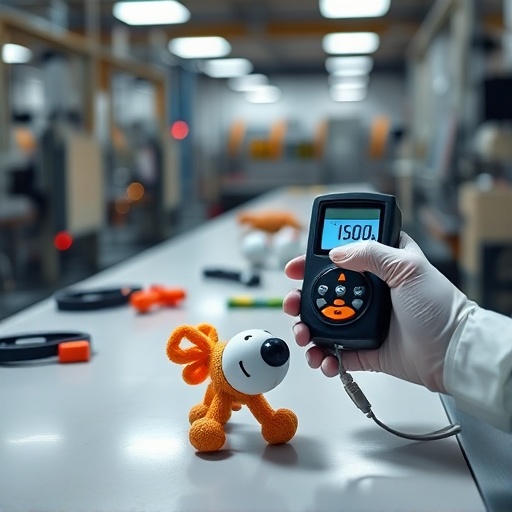
We provide rigorous aging tests before shipment, custom logo and packaging, stable Tuya connectivity, and low MOQ support for every partner.
Ready to Start Your OEM Order?
Contact our B2B team today for pricing, MOQ, and custom branding options.