Here is a fact that keeps retail buyers up at night: nearly 40% of smart pet feeders returned to big-box stores are not actually broken. They are just frustrating to use. If you are researching how to OEM pet feeder with camera for pet store chain distribution, stop worrying about the plastic shell color and start obsessing over the server latency. Most retailers treat these feeders like appliances, but they are actually fragile IoT nodes. If you don’t treat them as such, your return rate will eat your margins alive.
The industry standard for “smart” is shifting away from simple remote feeding. Customers now expect real-time video streaming that doesn’t stutter or drop the moment they switch from Wi-Fi to 5G. My contrarian take? Stop chasing the lowest unit price. When you squeeze a factory for every penny, they don’t just cut their profit; they cut the quality of the Wi-Fi module and the power supply. A two-dollar savings on a component results in a twenty-dollar return cost when the feeder disconnects during a user’s vacation.
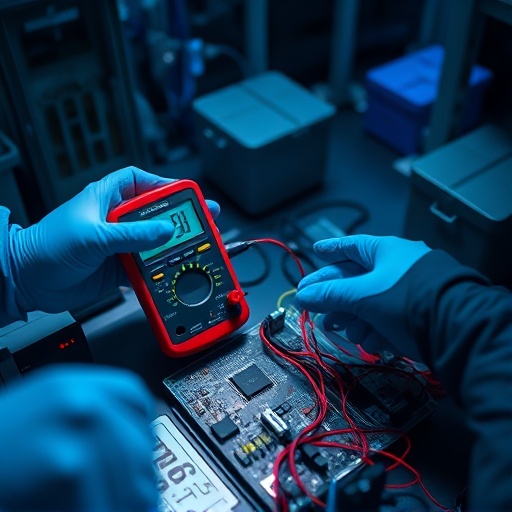
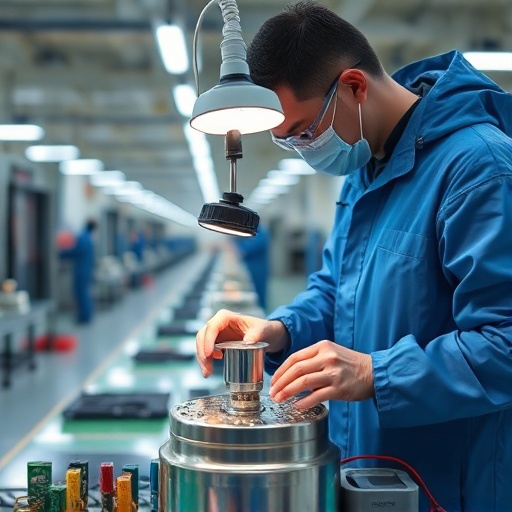
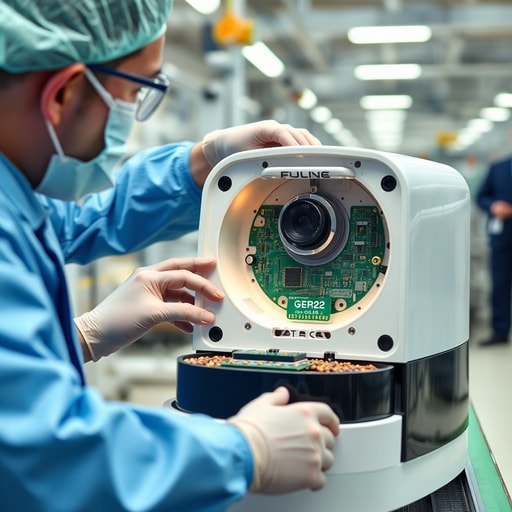
Walking through our facility in the Pearl River Delta, the air carries a distinct smell—a mix of ozone from laser etching machines and the sharp, clean scent of injection-molded ABS plastic. It is a symphony of controlled chaos. You see workers in anti-static gear, their movements rhythmic as they snap ribbon cables into place. This is not a place for shortcuts. We house over 100 specialists who live by a “Zero-Defect” mantra, focusing heavily on the dual-core ESP32 chips that power our latest units. These chips aren’t just faster; they manage heat dissipation far better than the cheap alternatives flooding the market. You can explore the DDPark smart pet product catalog to see how we integrate these high-performance components into retail-ready hardware.
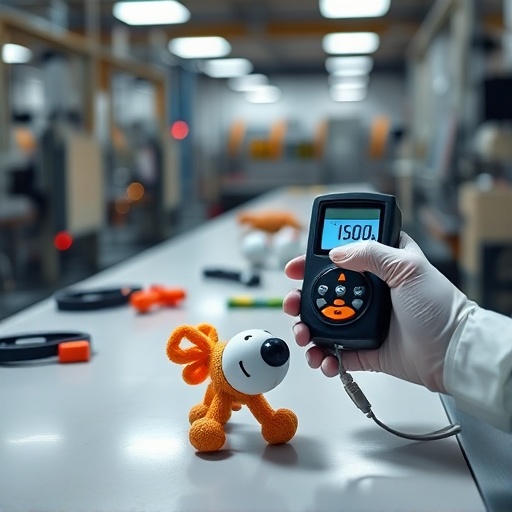
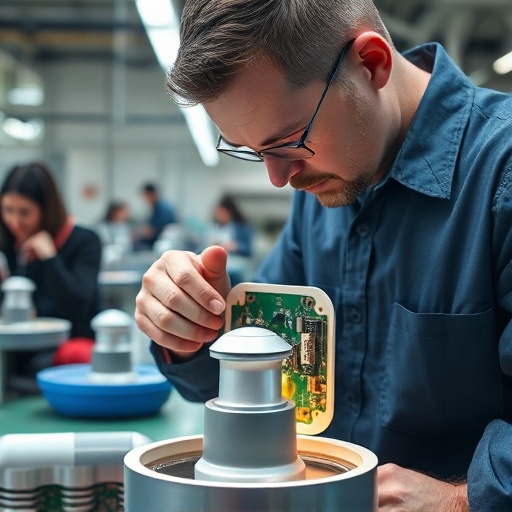
I once walked into a competitor’s factory and saw a worker using blue painter’s tape to hold together a misaligned carton. That is where your brand goes to die. Quality control isn’t just about the finished box; it is about the mechanical integrity of the auger motor. We recently audited a client’s prototype that suffered from constant food jams. The culprit? An impeller gap that was measured in loose estimates rather than microns. We rectified this by installing a proprietary anti-jam infrared sensor that monitors motor torque in real-time. If the food hits a snag, the motor reverses instantly. It is a small, invisible engineering choice that saves a store manager from dealing with angry customers.
Moving from a prototype to a shelf-ready product requires the golden sample approval. Treat this document like a legal contract. Do not sign off until you have tested the unit in your home, on your own network, for at least a week. DDPark maintains strict BSCI and FDA compliance, which ensures that when your container arrives at the port, it doesn’t get flagged by customs. We also build our firmware around the Tuya Smart Ecosystem, providing a stable, global infrastructure that your customers are likely already using for their lights and thermostats.
Testing for “firmware rollback” is the step most buyers skip. What happens if an over-the-air (OTA) update gets interrupted by a power surge? If your feeder doesn’t have a recovery partition, it becomes a literal brick. We design our systems with a fail-safe bootloader because I have seen too many retailers lose their reputation over a bad software patch. Whether you are looking for custom logo placement, sleek packaging, or a fully white-labeled app experience, we provide the flexibility to scale. You can request a free OEM quote from DDPark to see our production capacity firsthand.
The future of this category lies in proactive health monitoring. We are moving toward sensors that track weight fluctuations and feeding patterns to alert owners of potential health issues before they become emergencies. Don’t partner with a factory that views their products as static plastic bowls. Seek out a team with 10+ years of manufacturing expertise that understands the intersection of hardware durability and software reliability. The camera is just a lens; the real value is the peace of mind you sell to the pet owner. If the system behind that lens is shaky, the product fails the moment it leaves your store shelf.
Frequently Asked Questions
What is the most important factor when choosing an OEM partner for smart pet feeders?
Prioritize firmware stability and server reliability over unit price. A pet feeder with a camera is an IoT device; if it lacks consistent OTA update support, it will fail within months of usage.
How do I ensure the pet feeder I order won’t jam during operation?
Demand an impeller design with precise tolerances and an anti-jam infrared detection system. This allows the motor to sense resistance and reverse automatically if food becomes lodged.
Is it necessary to customize the app for a pet store chain?
Customizing the app creates a cohesive brand ecosystem. It allows you to push notifications and marketing updates directly to your customers, effectively turning a one-time hardware sale into a recurring brand touchpoint.
Work with DDPark
Ensure your retail success with our battery backup protection, factory direct OEM pricing, rigorous aging test before shipment, and advanced anti-jam infrared detection.
Ready to Start Your OEM Order?
Contact our B2B team today for pricing, MOQ, and custom branding options.