Why Does My Smart Litter Box Food Clog and How to Solve It: A Factory-Floor Reality Check
The industry loves to talk about “smart” ecosystems, but let’s be honest: your customers are dealing with a mechanical nightmare. Before we dive into the weeds, let’s clear the air. You asked, “why does my smart litter box food clog and how to solve it,” but here is the reality: your litter box doesn’t feed your cat, and if it’s “clogging,” you’re likely confusing your smart pet feeder with your automated litter cleaner. While the confusion is understandable, the mechanical failure points are distinct. Whether it’s a jammed auger in a feeder or a stuck rake in a litter box, the root cause is almost always the same: manufacturers cutting corners on torque and material tolerances.
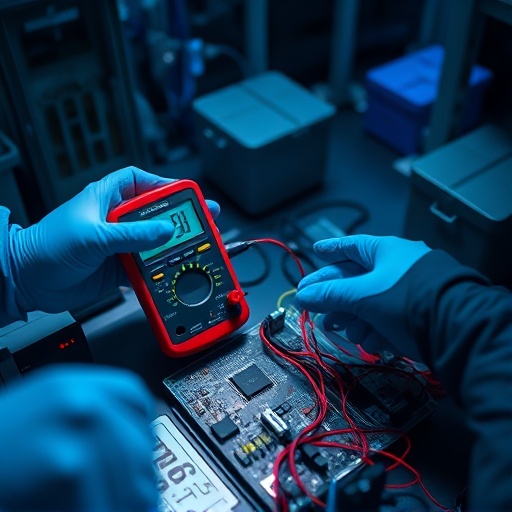
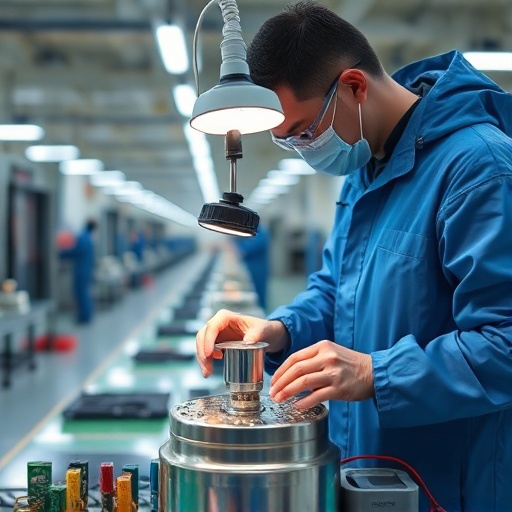
Stepping onto our production line in the Pearl River Delta, the air smells faintly of heated polymers and ozone. You don’t see “smart” marketing here; you see the grit of assembly. I’ve spent 12 years watching engineers try to fit industrial-grade performance into a consumer-grade price point, and it rarely ends well. When a machine jams, it’s usually because the motor isn’t strong enough to overcome the friction of low-quality kibble or the humidity-induced swelling of pet waste.
## The Anatomy of the “Jam”
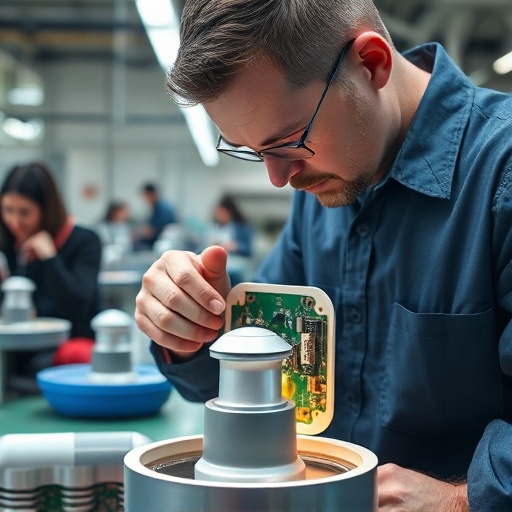
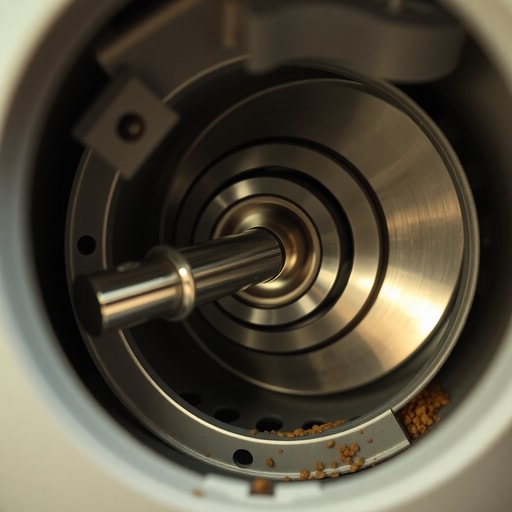
When you are standing on the factory floor, holding a failed auger housing, you see the truth. Many brands use plastic gears that look sturdy in a CAD render but warp under the heat of continuous operation. That’s the “skeptic’s secret”: most jamming isn’t caused by the food itself, but by the motor losing its “will to turn” because the PCB is throttling power to prevent a short circuit.
I’ve seen dozens of “innovative” designs fail because they prioritized a sleek aesthetic over a wide-diameter chute. If the chute narrows even slightly, or if the auger pitch is too aggressive, you’re inviting a jam. My personal opinion? The industry has become obsessed with Wi-Fi connectivity while ignoring the fact that a feeder is, at its core, a grain elevator. If the physics don’t work, the app doesn’t matter.
## Why Quality Control is Not Just a Buzzword
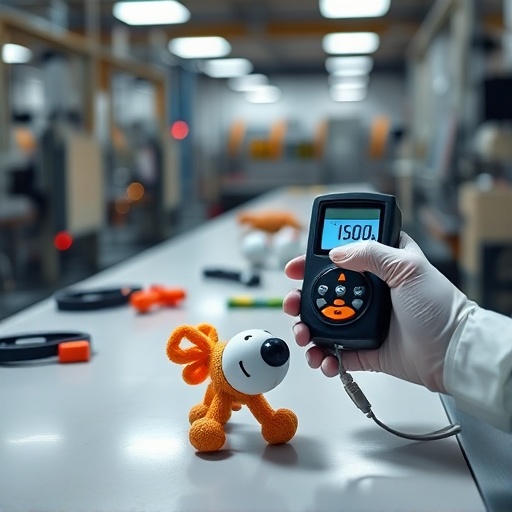
Walking past the testing racks, you can hear the difference between a reliable unit and a ticking time bomb. We run stress tests where we simulate high-humidity environments—the kind that makes kibble expand and get sticky. If a feeder jams during these tests, we don’t just “fix” the software; we redesign the torque curve of the motor.
Many suppliers will tell you their units are “universal.” That is a red flag. If a device doesn’t have adjustable auger settings or a robust anti-stall algorithm, it will fail the moment a customer buys a bag of kibble that’s slightly more oily than the last. I’ve watched cheap units struggle to push through standard feed, only to burn out their windings within months. If you are sourcing for your brand, you need to demand thermal protection specs. If the factory can’t provide a heat dissipation report, look elsewhere.
## Practical Solutions for the “Clog” Problem
If you are currently fielding support tickets, start with these non-negotiable checks:
* **The Humidity Variable:** If your warehouse or the end-user’s home is damp, kibble expands. It’s simple physics. Advise users to use desiccant packs religiously.
* **Auger Friction:** Inspect the auger for “burrs” or rough plastic edges left over from injection molding. A smooth surface is the difference between a jam and a seamless feed.
* **Torque Calibration:** Ensure your firmware has an “auto-reverse” feature that triggers when the motor encounters resistance. If the software just keeps pushing, the motor will eventually fry.
* **Standardize Kibble:** Tell your customers that “smart” doesn’t mean “magic.” If the kibble exceeds 15mm, the geometry of the chute is being pushed to its mechanical limit.
If you are tired of these issues, you should Explore DDPark Smart Pet Product Catalog. We build our units to handle the realities of pet ownership, not just the marketing brochures. We prioritize UL-certified motors and high-torque gearboxes that don’t give up when the kibble gets tough.
## The Sourcing Trap: Don’t Buy the “White Label” Dream
There is a pervasive myth that you can just slap your logo on any generic feeder and succeed. That is how you get 20% return rates. Many generic units use outdated ESP8266 chips that drop Wi-Fi connections constantly. When the connection drops, the “anti-jam” sensor—which relies on cloud-based feedback—often fails to trigger.
My contrarian insight? The “cheapest” unit is actually the most expensive one you will ever buy. Once you factor in the cost of customer support, return shipping, and the eventual damage to your brand reputation, those “factory direct” savings vanish in a heartbeat. You aren’t just buying hardware; you are buying the engineering team behind it.
## Checklist for Professional Buyers
Before you sign a contract, bring this list to your supplier:
* **Motor Torque Data:** Ask for the stall torque rating. If they don’t have it, they aren’t engineers; they’re traders.
* **Material Certification:** Are the plastics food-safe and BPA-free?
* **Firmware Rollback:** Can you push a patch if the OTA update bricks the device?
* **Sensor Shielding:** Are the infrared sensors protected by a lens that won’t cloud over with dust?
* **Assembly Consistency:** Do they use automated screw drivers to ensure torque consistency, or is it a manual “feel” process?
If you want to bypass the headache, Request a Free OEM Quote from DDPark. We provide the transparency that most factories hide. We show you the PCB, we explain the motor winding, and we help you build a product that doesn’t trigger a thousand support emails.
## The DDPark Difference
We don’t chase trends. We chase stability. After 12 years in this industry, I’ve seen enough “smart” pet products end up in landfills because they were designed for a sales slide deck rather than a kitchen floor. We focus on the DDPark 10+ Years Manufacturing Expertise to ensure every unit leaving our facility is battle-tested. When you partner with us, you are getting a team that understands that a jammed feeder isn’t just a technical glitch—it’s a hungry pet and an angry customer. We fix that at the source, before the first unit is ever boxed.
Frequently Asked Questions
Q: Why does my feeder keep jamming despite using recommended food?
A: It is almost always a combination of high ambient humidity and motor torque limitations. If the kibble is oily or the environment is humid, friction increases exponentially. Check the auger for residue buildup and ensure your firmware is set to the correct sensitivity.
Q: Is it the motor or the firmware causing my device to stop?
A: If you hear a mechanical “click-click” sound, the motor is trying but failing to overcome resistance—that is mechanical. If the device simply goes “offline” or ignores the timer, it is a firmware or connectivity issue.
Q: What should I look for when sourcing smart feeders for my business?
A: Look for manufacturers who own their own motor assembly lines. Most factories outsource the motor; we build ours to our own internal specifications to ensure they handle the torque required for long-term reliability.
Work with DDPark
Stop dealing with high return rates and unreliable hardware. Partner with a factory that values mechanical precision and long-term stability. From high-torque motor systems to stable, secure firmware, we provide everything you need to build a premium pet tech brand.
Contact our B2B team today for pricing,
MOQ, and custom branding options.
Ready to Start Your OEM Order?