You wake up to the unmistakable, sharp scent of ammonia and find a dark, spreading puddle beneath your high-end automatic litter box. It is the kind of morning surprise that turns a “smart home” into a maintenance nightmare. If you are asking, “why does my automatic litter box water leakage and how to solve it,” the answer usually boils down to two culprits: degraded silicone seals or, more frequently, a misalignment caused by a struggling motor assembly. Most leaks aren’t cracks in the basin; they are failures in the mechanical transitions where waste moves from the globe to the drawer.
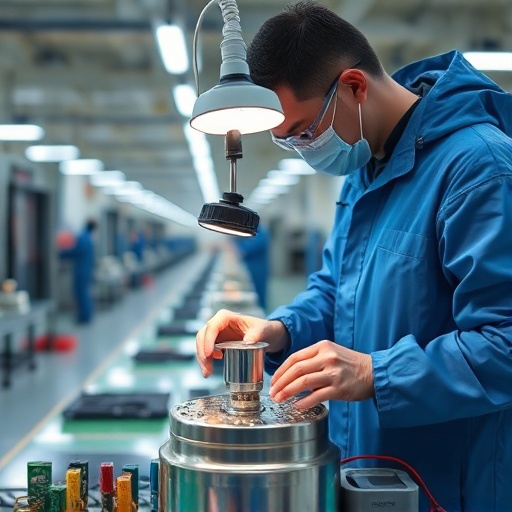
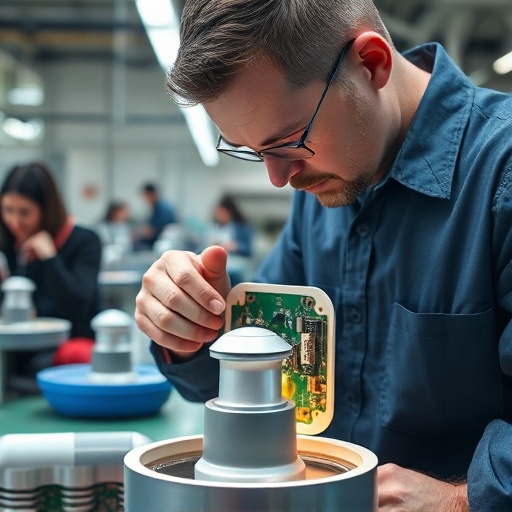
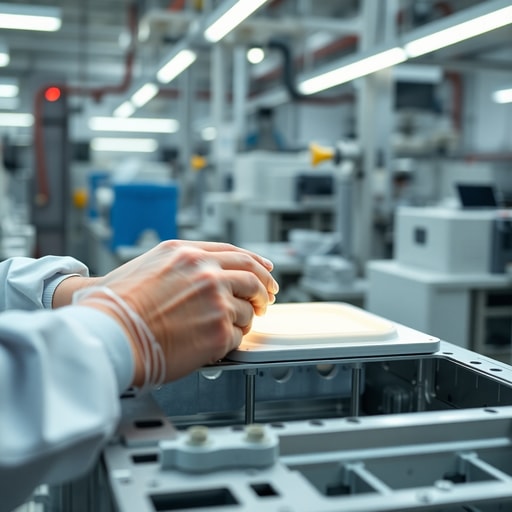
Standing on the factory floor in Guangdong, the air hums with the high-pitched whine of pneumatic screwdrivers and the rhythmic thud of injection molding machines. I’ve spent twelve years here watching the evolution of this category. I’ve seen prototypes that looked perfect in CAD renders fail miserably once they hit the humidity of a real-world bathroom. When a batch leaves our line, we know exactly where the pressure points are. Leakage isn’t just a design flaw; it is often a symptom of aggressive cost-cutting where manufacturers swap high-grade gaskets for brittle, cheap plastic alternatives.
The Anatomy of a Leak: Beyond the Surface
Brand owners often panic, assuming the main reservoir is compromised. In my experience, the basin is almost never the issue. The real villain is the “transfer point”—the gap between the rotation mechanism and the waste drawer. When a machine is poorly calibrated, the drawer doesn’t seat flush against the gasket. Over time, the vibration of the motor causes microscopic shifts, and suddenly, you have a breach.
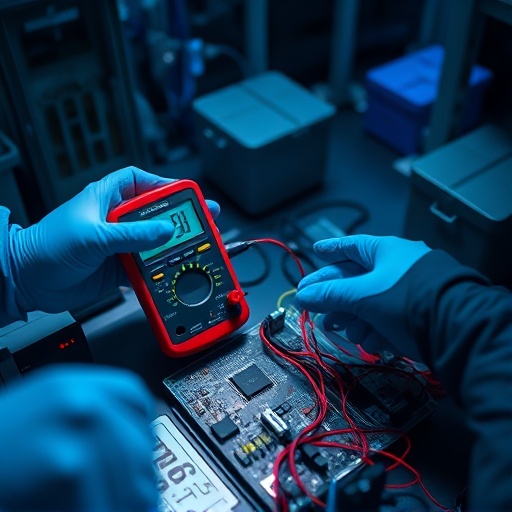
Humidity is the silent killer. Many entry-level models use generic Tuya modules that aren’t properly conformal-coated. In a bathroom environment, moisture creeps into the PCB housing, causing erratic sensor behavior. The machine thinks the drawer is closed when it isn’t, leading to a “cleaning cycle” that dumps waste onto the floor instead of the bin. Cheap copper windings in the motors also generate excessive heat, warping the ABS plastic housing. Once that housing warps, the seal is broken forever. I’ve always believed that if a manufacturer isn’t willing to show you their thermal aging test results, you shouldn’t be putting their name on your box.
Troubleshooting and Actionable Solutions
If you are staring at a puddle and wondering how to stop the cycle of failure, follow this diagnostic path:
- The Gasket Integrity Check: Inspect the rubber seal where the waste drawer meets the globe. If it feels stiff or shows signs of cracking, it has lost its elasticity. Replace it with food-grade silicone, which handles temperature fluctuations far better than standard rubber.
- Sensor Calibration: Debris buildup around the infrared sensors is common. If the sensor is obscured by dust, the machine loses its “spatial awareness.” Wipe the sensors with a dry, anti-static cloth. If the machine still triggers mid-cycle, the software logic is likely flawed—a hallmark of rushed firmware development.
- Leveling the Surface: Most users ignore the base. If your litter box is on an uneven tile floor, the weight of the waste will cause the unit to tilt, pulling the seals apart. A simple leveling shim can often stop a “leak” instantly.
Distributors and brand owners, pay attention: if your rework ratio exceeds 2%, stop selling that batch. I have seen workers in massive factories use blue masking tape to hide misaligned seams on the assembly line. That tape is a red flag. At DDPark, we operate under a “Zero-Defect” philosophy because we know that one leaky unit destroys a brand’s reputation faster than a thousand positive reviews can build it. If your current supplier is giving you excuses about “acceptable manufacturing tolerances,” it is time to look at DDPark 10+ Years Manufacturing Expertise to see what true precision looks like.
The Contrarian View on “Smart” Features
Here is my unpopular opinion: we are over-engineering these devices. Everyone wants Matter-compatibility and AI-driven health tracking, but if the basic mechanical seal isn’t sound, the tech is just a distraction. Reliability is the ultimate feature. A device that never leaks is worth more to a customer than a device that sends a notification to their phone while the floor is getting soaked. When we design for our partners, we prioritize the physical chassis first. You can Request a Free OEM Quote from DDPark to see how we balance high-tech sensors with the rugged, physical reliability that the pet industry actually needs.
Scaling Your Brand Without the Mess
Market demand is shifting toward premium, BPA-free materials and long-term durability. Brands that survive the next five years will be the ones that stop chasing the “cheapest unit” and start chasing the “most reliable unit.” Whether you are entering the US market or expanding into Australia, your customers will forgive a slightly higher price point, but they will never forgive a product that leaves a mess in their home.
We see the full lifecycle of these products daily, from the raw plastic resin entering the extruder to the final drop-test in our quality lab. We support emerging brands with flexible MOQ, allowing you to scale without drowning in inventory. To see how we integrate quality into every design, from our leak-proof waste systems to our whisper-quiet motors, Explore DDPark Smart Pet Product Catalog. Let’s make sure the only thing your customers worry about is which litter brand to use, not how to mop up after their tech.
Frequently Asked Questions
Q: Can a sensor malfunction cause water leakage?
A: Yes. A false-positive sensor trigger can cause the machine to initiate a cleaning cycle while the waste drawer is misaligned. This leads to waste spillage, which is often misidentified as a mechanical leak.
Q: Why do some units leak after six months?
A: Thermal warping is the primary cause. Low-quality motor windings create excess heat, which warps the plastic housing and breaks the watertight seals of the waste bin.
Q: How can I ensure my imported inventory is defect-free?
A: Insist on aging tests and verify that the factory uses in-house R&D. If a manufacturer cannot provide documentation on their seal testing, your risk of high return rates is significant.
Partner with Proven Quality
DDPark bridges the gap between legacy craftsmanship and modern pet tech. We offer low MOQ support for emerging brands, conduct rigorous aging tests before shipment, and utilize our in-house R&D engineering team to ensure every unit is built to last. Don’t settle for mass-market failures.
Ready to Start Your OEM Order?
Contact our B2B team today for pricing, MOQ, and custom branding options.
Request Your OEM Partnership Today