Automatic Litter Box with WiFi Connectivity vs Without: Which is Better for B2B?
If you are debating **automatic litter box with WiFi connectivity vs without: which is better for B2B**, the short answer is that non-WiFi units offer superior mechanical longevity and lower support overhead, while WiFi units are essential for capturing the high-end, data-driven demographic. Choosing between them isn’t about chasing the latest tech; it’s about deciding whether your brand is prepared to manage the inevitable software headaches that come with an IoT-connected device.
Twelve years on the floor of Pearl River Delta manufacturing plants teaches you that a product is only as good as its weakest solder joint. I have spent my career watching assembly lines turn raw plastic and motors into revenue, and I’ve seen enough “smart” devices fail in the field to be inherently skeptical of the industry’s obsession with connectivity.
## The Factory Floor Reality: Sensory Overload
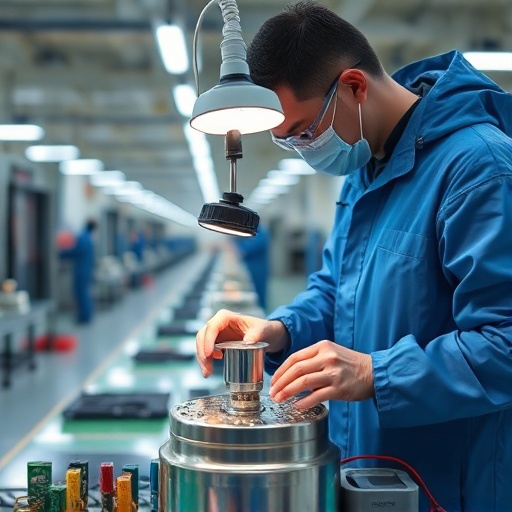
Walking through our facility, you don’t just see machines; you hear them. The rhythmic *thwack-hiss* of injection molding presses, the sharp, metallic tang of ozone near the laser cutters, and the persistent, low-frequency hum of the motor stress-test station. When we assemble a standard, non-WiFi litter box, the focus is purely kinetic—gears, torque, and structural integrity.
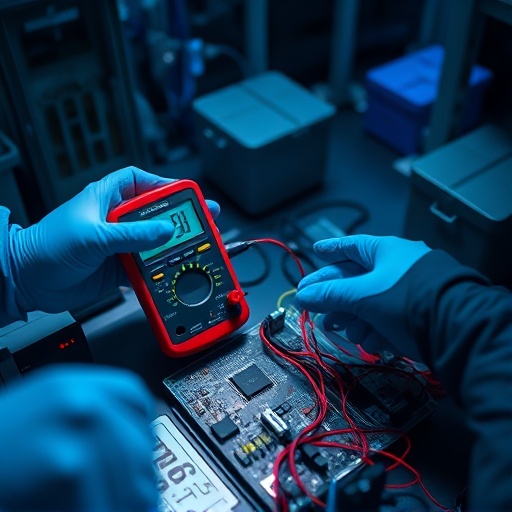
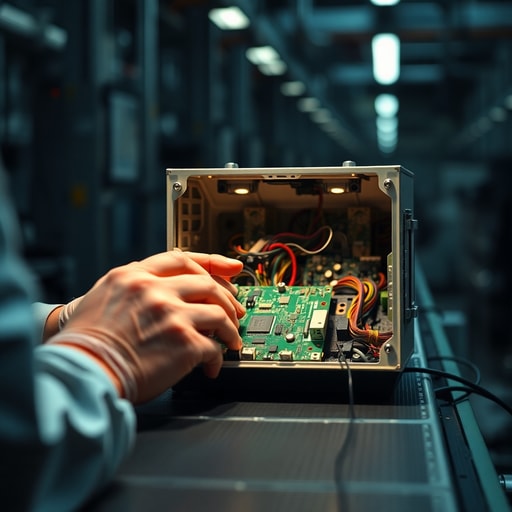
When we shift to a WiFi-enabled line, the atmosphere changes. The air is filled with the faint, static-like smell of soldering flux. Technicians aren’t just checking bolts; they are staring at monitors, verifying handshake protocols between the ESP32 module and the cloud servers. I have personally pulled units off the line during a pilot run because the WiFi signal fluctuated by 3dB. To a casual observer, the device worked fine. To a distributor, that 3dB drop is a one-star review waiting to happen.
## The WiFi Dilemma: Innovation or Liability?
Connectivity is a double-edged sword. When it works, the user experience is seamless, providing health metrics and usage data that justify a premium price. When it fails, you aren’t just selling a broken litter box; you are selling a “brick” that requires a customer service team to explain why the app won’t sync.
Many B2B buyers get dazzled by the Tuya ecosystem’s ease of implementation. It is cheap, it is fast, and it is ubiquitous. Yet, relying on a third-party cloud infrastructure means your brand’s reputation is tethered to someone else’s server stability. My contrarian take? If you aren’t prepared to invest in dedicated firmware engineers who can push OTA (over-the-air) updates, you are better off sticking to a robust, high-quality manual unit. A simple, silent, and reliable machine will always outperform a buggy “smart” device in the long run.
## Comparative Value: The B2B Calculus
| Feature | Standard (No WiFi) | Premium (WiFi Enabled) | B2B Sourcing Insight |
| :— | :— | :— | :— |
| **Tech Complexity** | Low | High | Higher complexity equals higher return risk. |
| **Customer Support** | Minimal | High | WiFi units require a tech-support strategy. |
| **Production Cost** | Baseline | +$15–$25 per unit | WiFi requires specialized QC testing. |
| **Market Appeal** | Mass/Budget | Premium/Tech-savvy | WiFi commands better margins in Tier-1 markets. |
I personally believe that the “smart” trend has peaked in its current form. We are seeing a move toward “invisible tech”—sensors that detect health issues without needing a constant, glitchy connection to a home router. If you can offer a box that tracks weight and waste cycles locally without forcing the user to wrestle with their WiFi password, you have a winner.
## Hardware Integrity: The Only Metric That Matters
Regardless of the connectivity debate, the hardware must be bulletproof. A litter box is a high-stress mechanical environment. We use hardened plastic housings that can withstand a 20lb cat jumping on them repeatedly. If the internal motor housing is flimsy, it won’t matter if you have the best WiFi module on the market.
When you look at our DDPark Smart Pet Product Catalog, you’ll notice we emphasize motor torque and anti-jam safety protocols. These aren’t just specs; they are the result of thousands of hours of testing. A unit that jams is a disaster for a distributor; a unit that stays connected but fails to rotate is a catastrophe.
## Strategy for 2026 and Beyond
The smart money in B2B pet tech is moving toward segment-specific product lines. If your brand is targeting the budget-conscious, high-volume market, avoid the WiFi trap entirely. Build a tank-like, mechanical unit that simply works every time. If you are aiming for the high-end consumer, you must offer an app, but you must also ensure that the hardware is robust enough to justify the price.
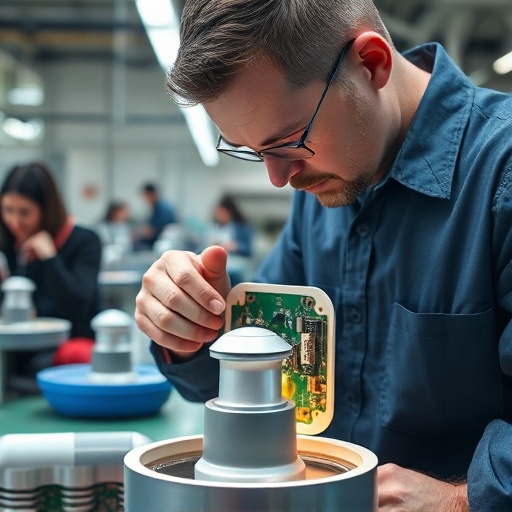
Don’t let a factory tell you that WiFi is “plug and play.” It is never plug and play. It requires rigorous stress testing, firmware optimization, and a clear plan for how to handle connectivity dropouts. We handle this for our partners by conducting 48-hour burn-in tests on every batch of smart units. We don’t ship until the firmware is stable and the sensors are calibrated.
If you are ready to move past the hype and build a product that actually lasts in the real world, let’s talk. Request a Free OEM Quote from DDPark and let us walk you through the manufacturing realities that others in the industry are too afraid to mention.
Ready to Start Your OEM Order?
Contact our B2B team today for pricing, MOQ, and custom branding options.
Frequently Asked Questions
Q: Why do some factories report higher return rates on WiFi litter boxes?
A: It almost always boils down to firmware maturity and poor signal shielding. When the internal components are not properly shielded from the motor’s electromagnetic interference, the WiFi module struggles to maintain a stable connection, leading to frequent disconnects and user frustration.
Q: Is it possible to add WiFi later to a non-WiFi model?
A: Technically yes, but economically no. Retrofitting a chassis for WiFi requires a different PCB layout, different sensor placement, and specific FCC/CE certification. You are better off designing for the feature set from the first prototype.
Q: How does DDPark ensure the software stays reliable?
A: We utilize a proprietary testing protocol that simulates high-traffic network conditions. We also maintain a strict “no-update-without-testing” policy, ensuring that any firmware patches are validated against our hardware before they ever reach the end user’s device.
Ready to Build?
Stop guessing about product reliability. Partner with a factory that treats your brand’s reputation as their own. Click here to start your inquiry and get a professional OEM assessment.