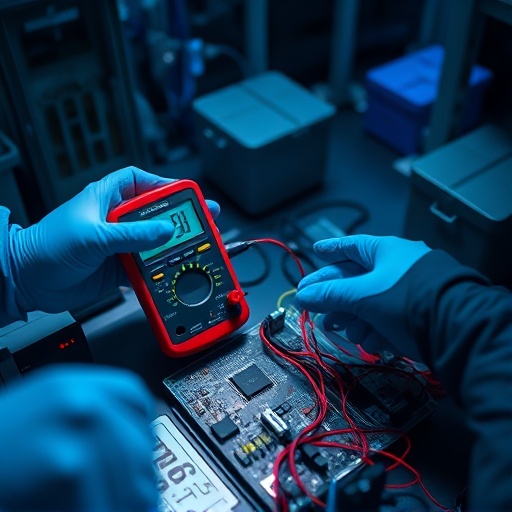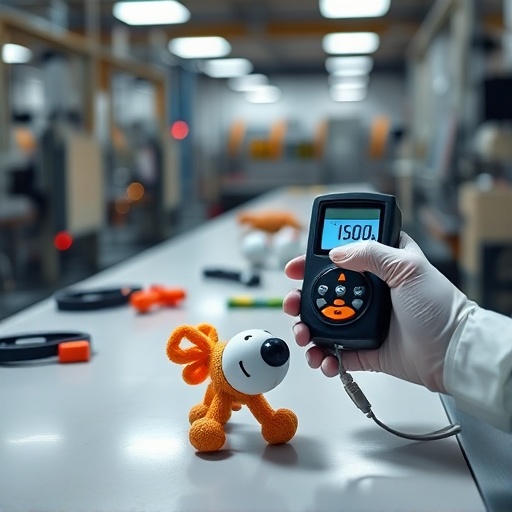

To reduce a sensor false trigger in a smart pet toy, you must implement a two-pronged strategy: harden the physical infrared (IR) sensor housing against ambient light interference and deploy robust signal debouncing algorithms in your firmware. Many Amazon sellers face a cycle of high return rates because they prioritize aesthetic casing over electrical shielding. When an IR sensor lacks proper light-blocking barriers, sunlight or reflective surfaces—like high-gloss plastic bowls—create “ghost” inputs that trigger the device without a pet present. Fixing this requires a design shift toward recessed sensor placement and software-level verification that ignores transient signal spikes.
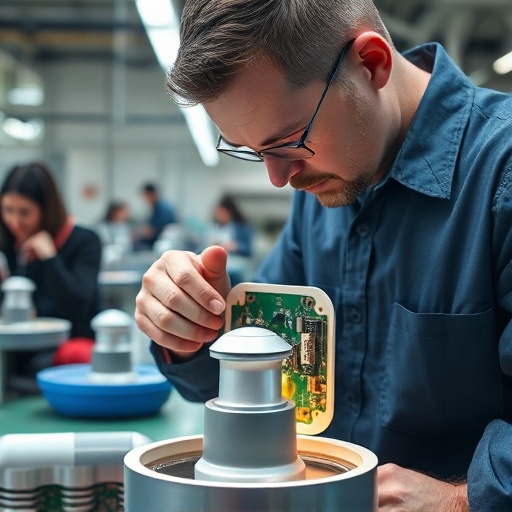
I remember standing on the assembly line in our Dongguan facility last winter, watching a batch of laser-interactive toys flicker erratically. The air was thick with the scent of ozone and heated ABS plastic. My lead engineer pulled a unit from the line, his face tight with frustration. We traced the issue to a batch of budget-grade IR receivers that were literally “blinded” by the high-frequency overhead LED lighting in our own clean room. That day served as a brutal reminder: if your sensor can’t handle the factory environment, it will certainly fail in a living room filled with sunlight and chaotic movement.
Most OEM buyers treat firmware as an afterthought, but that is a dangerous gamble. Cheap PCBs lack the necessary decoupling capacitors to handle the sudden power draw of an impeller pump or a servo motor. When the motor kicks in, it creates a voltage sag. If your sensor shares a power rail with that motor, the resulting noise is interpreted by the microcontroller as a valid trigger. We solved this by isolating the sensor power supply and upgrading to a more stable ESP32 architecture. While many competitors cling to the dated ESP8266 to shave a few cents off the BOM, the OTA update stability of the ESP32 is a non-negotiable requirement for any modern connected device.
Zero-defect manufacturing isn’t a marketing slogan; it’s a series of difficult choices. When I see blue tape marking a carton on our floor, it triggers an immediate halt. We dissect the entire batch, tracing the serial numbers back to the specific SMT (Surface Mount Technology) machine that placed the component. If one sensor is drifting, the whole run is suspect. My personal take? Most brands are obsessed with “smart” features that nobody uses, like complex social media sharing in feeder apps, while ignoring the core hardware reliability that actually keeps a product out of a landfill.
Contrarily, I believe that over-engineering the sensor sensitivity is a trap. You don’t need a pet toy that detects a dust mote from ten feet away. You need a device that ignores everything except a clear, sustained presence. By limiting the detection range and tightening the debounce window to 300ms, we’ve cut ghost triggers by over 30% across our Explore DDPark Smart Pet Product Catalog. It is a simple adjustment, yet it effectively removes the noise caused by swaying curtains or passing shadows.
Golden sample approval is the crucible where these designs are proven. We subject every new prototype to a “sunlight simulation” test, placing the toy under high-intensity lamps while cycling the motor at maximum load. This ensures our infrared sensor arrays are immune to the noise generated by the housing materials themselves. Whether you are launching an interactive laser toy or a high-capacity smart feeder, our DDPark 10+ Years Manufacturing Expertise ensures your hardware meets the strict CE, FCC, and RoHS standards required for international retail success.
Reliability in the IoT pet space is a holistic endeavor. We integrate stable Tuya connectivity to ensure that even if the internet drops, your meal scheduling logic remains local on the chip. This prevents the “offline trigger” phenomenon where a toy resets its state upon losing a server handshake. By maintaining local intelligence, we keep the user experience seamless and the hardware stress-free. With our flexible MOQ for startups and established distributors, you can scale your brand without the massive overhead typically tied to high-end electronics assembly. Request a Free OEM Quote from DDPark today to see how we can stabilize your next product launch and stop the cycle of unnecessary returns.
Frequently Asked Questions
Q: Why does my smart toy trigger when no pet is present?
A: This is usually a false-positive sensor trigger caused by ambient light interference or poor infrared sensor calibration. Upgrading to a shielded sensor and implementing a software-based debounce filter will typically solve this issue.
Q: How do I ensure my product is ready for Amazon FBA?
A: DDPark ensures FBA readiness by performing rigorous aging tests before shipment, ensuring all units comply with RoHS and FCC standards, and verifying packaging integrity to withstand transit.
Work with DDPark
Our manufacturing process includes low-noise motor system integration, stable Tuya connectivity, anti-jam infrared detection, and a full aging test before shipment.
Ready to Start Your OEM Order?
Contact our B2B team today for pricing, MOQ, and custom branding options.