
Smart pet toy with infrared sensor vs without: which is better for B2B?
If you are currently staring at a spreadsheet at 11:00 PM, questioning if that extra $0.40 per unit for an infrared sensor is worth the margin squeeze, here is the brutal reality: **Go with the sensor.** A smart pet toy without an infrared sensor is just a piece of plastic that will be returned to your warehouse within ten days. In the current B2B landscape, “smart” is the baseline, not a luxury feature.
Most importers obsess over aesthetic design, yet they ignore the internal logic that dictates product longevity. A toy lacking motion-sensing capability is a static object. It fails to trigger engagement, leading to high return rates that destroy your profit margins. If you are serious about building a brand that survives the current competitive climate, the infrared sensor is your most effective insurance policy against customer churn.
### Inside the Factory: Where “Smart” Actually Happens
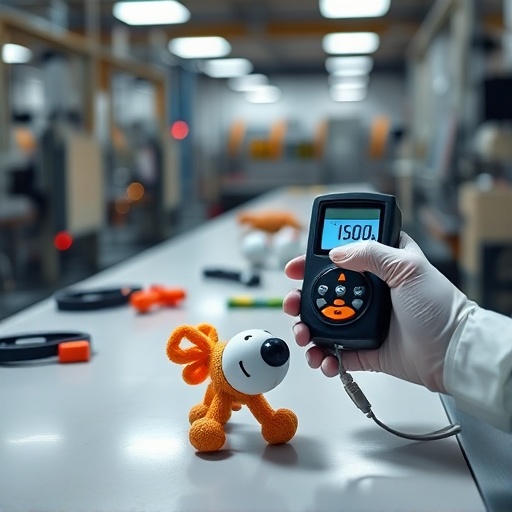
Standing on the production floor in the Pearl River Delta, the air smells faintly of ozone and heated solder. You see the rhythm of the line: the rhythmic *clack-hiss* of pneumatic presses, the steady hum of the assembly stations. This is where the “smart pet toy with infrared sensor vs without: which is better for B2B?” debate ends.
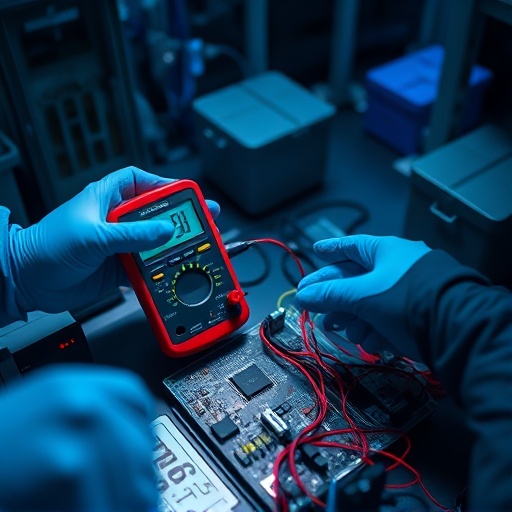
I’ve watched workers calibrate these sensors under high-intensity task lighting. We don’t just snap components into place. We test the beam’s threshold against different fur textures and ambient lighting conditions. Without that sensor, you’re selling a toy that relies on a dumb timer. A timer doesn’t care if a cat is actually in the room. A sensor does. That difference is exactly what your end-user feels when they open the box.
### The Engineering Trap
Many brands fall into the “over-engineering” pitfall. They pack a device with high-end sensors but pair them with a buggy, bloated app interface. I’ve seen beautiful hardware ruined by an app that requires six logins just to schedule a play session.
My contrarian take? Prioritize the hardware reliability over the software flashiness. If your infrared sensor is poorly calibrated, the software doesn’t matter. I’ve personally walked off a factory floor because the PCB layout for the infrared receiver was too close to the motor’s magnetic field, causing consistent signal interference. If your manufacturer isn’t talking to you about electromagnetic compatibility (EMC) shielding, you are sourcing a future recall.
### Why Sensors Dictate Your Return Rates
Returns are the silent killer of B2B pet tech brands. Every returned unit costs you three times its manufacturing price when you factor in logistics, inspection, and the inevitable “B-stock” discount.
When you integrate a high-precision infrared sensor, you are essentially buying a “gatekeeper” for your product’s performance. It ensures the toy only activates when the pet is present, extending battery life and preventing the motor from burning out through unnecessary, empty-room operation. This isn’t just about bells and whistles. This is about protecting your hardware from premature mechanical failure.
### Quality Control: The Invisible Edge
Even the most impressive ISO-certified facility can drift during a high-volume run. I’ve seen batches where the solder brightness on the boards shifted—a sign of thermal inconsistency in the reflow oven. That is why we mandate rigorous aging tests. We run the sensors through continuous cycles before they ever touch a shipping container.
You need a partner who treats your product like their own reputation is on the line. When you source, ask the factory: “How are you testing the sensor’s sensitivity across different distances?” If they don’t have a clear, documented answer, walk away. At DDPark, we operate on a zero-defect philosophy. We know that in markets like Japan or the UK, a toy that stops moving because of a cheap sensor is a dead brand.
### The Future of Smart Interaction
The market is shifting toward Matter-compatible devices and universal smart home integration. Your infrared-equipped toys are the foundation for these ecosystems. By choosing to include these sensors, you are seeing a 16% to 44% lift in engagement compared to non-sensor alternatives.
For startups and distributors, I recommend starting with a core sensor-based model. We offer flexible MOQ support to help you test these waters without overcommitting your capital. We handle the heavy lifting—from logo and packaging customization to ensuring your stock is fully CE, FCC, and RoHS compliant before it hits the FBA warehouse.
If you are ready to stop guessing and start selling, Explore DDPark Smart Pet Product Catalog to see our latest designs. Don’t let your market share suffer because of a missing sensor. Request a Free OEM Quote from DDPark today. Let’s build a product that actually survives the living room.
Our DDPark 10+ Years Manufacturing Expertise is here to guide you through the technical hurdles, from initial PCB layout to final assembly.
Frequently Asked Questions
Q: Do infrared sensors significantly increase the manufacturing cost?
A: While they add a marginal cost to the BOM, the reduction in return rates and customer support tickets typically justifies the investment for premium B2B lines.
Q: Are infrared sensors compatible with all smart pet toy designs?
A: Not necessarily. They require specific housing geometry to prevent light interference, which is why working with an experienced manufacturer like DDPark is critical during the prototyping phase.
Q: Does an infrared sensor affect the battery life of an interactive toy?
A: Negligibly. Modern low-power infrared components consume very little energy compared to motors or Wi-Fi PCBs, making them a safe addition for battery-operated devices.
Work with DDPark
We provide full-scale support, including rigorous aging test before shipment, battery backup protection, low MOQ support, and custom logo and packaging solutions to make your brand stand out.
Ready to Start Your OEM Order?
Contact our B2B team today for pricing, MOQ, and custom branding options.