How to Request a Smart Pet Feeder Sample for Vet Clinics
To request a sample smart pet feeder for your veterinary clinic effectively, you must submit a professional inquiry that details your specific clinical testing protocols, requests ISO-certified documentation, and insists on a pre-shipment inspection. Most clinics fail here because they treat a hardware procurement process like a retail consumer purchase. You are not buying a kitchen gadget; you are integrating a medical tool into a patient care regimen. If the feeder fails, the patient’s health plan fails.
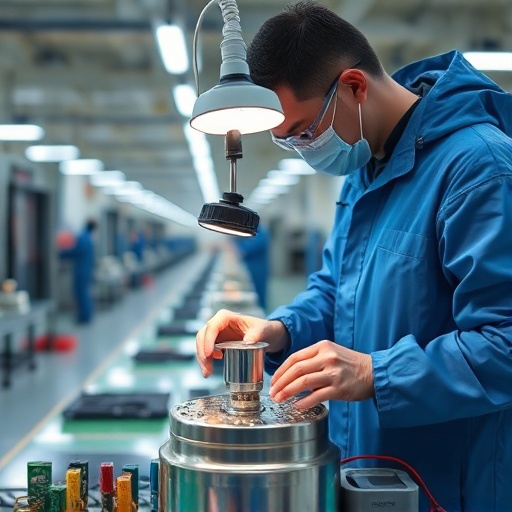
I’ve spent 12 years walking the factory floors of the Pearl River Delta. You can smell the difference between a high-end production line and a budget shop. A quality factory smells of clean plastic resins and organized, static-dissipative floor mats. A budget shop smells of ozone from overheating motors and cheap, solvent-heavy adhesives. When you order your sample, you are essentially asking for a piece of that environment. You need to know if the factory is capable of the precision your patients require.
The Sensory Reality of the Factory Floor
Walking through a production line, the rhythm of the machinery tells the story of the product’s future. In a top-tier facility, you hear the consistent, low-frequency hum of injection molding machines. You see technicians wearing anti-static wrist straps, meticulously checking the tolerances of an impeller pump. If you watch a line where the air is thick with dust and the assembly workers look rushed, the odds of your smart feeder suffering from a faulty Wi-Fi module in three months skyrocket.
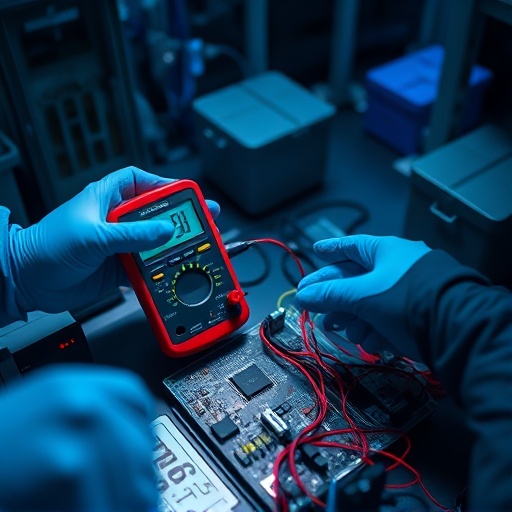
My personal opinion? Most “smart” feeders on the market are glorified snack dispensers. They lack the structural integrity to handle the continuous, high-frequency usage of a clinical setting. I once held a prototype from a supplier who insisted their motor was “industrial grade.” Within ten minutes of running it on a bench test, the housing started to warp. The plastic was too thin, and the heat dissipation was non-existent. That is why your sample request must be a stress test, not a visual inspection.
Why Reliability Triggers Success
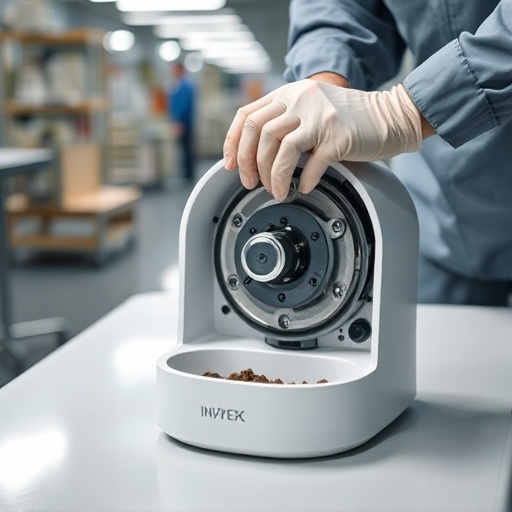
Clinical-grade hardware requires a shift in priorities. You are looking for a dual-core ESP32 module that won’t drop the connection during a critical feeding window. You need to ensure the auger mechanism is robust enough to handle various kibble shapes without jamming. A jammed feeder in a clinic isn’t just an inconvenience; it’s a failure of medical protocol.
The industry has moved toward Matter-compatible devices, but don’t let the marketing buzzwords distract you. Connectivity is useless if the mechanical core is weak. When you evaluate your sample, pay close attention to the anti-jam sensor. Does it actually reverse the motor when it hits a blockage, or does it just keep grinding until the motor burns out? This is the kind of detail you only uncover when you push the hardware to its limits. You can Explore DDPark Smart Pet Product Catalog to see what a properly engineered internal architecture looks like.
Executing the Request: A Strategic Approach
Do not send a generic “send me a sample” email. That identifies you as an amateur buyer, and you will receive the “showroom model”—a unit that has been hand-tuned to perfection, which bears no resemblance to the mass-produced units you will receive later. Use this template-style logic instead:
1. **State your clinical volume:** Be honest about your scale. If you are a single clinic, say so. If you are a network of practices, highlight your growth potential.
2. **Request the “Standard Production” unit:** Explicitly ask for a unit pulled from the current production line, not a pre-production prototype.
3. **Ask for the tech stack:** Request the specific firmware version and the chip architecture. If they can’t tell you the module inside, they don’t own the manufacturing process.
4. **Demand certification logs:** Ask for the factory’s aging test records. If they don’t have them, they aren’t actually testing their products.
When you Request a Free OEM Quote from DDPark, we treat that inquiry as a technical consultation. We know that your clinic needs more than just a box; it needs a reliable extension of your care team.
The Contrarian View on “Smart” Tech
Here is a hard truth: 90% of the smart pet feeders you see on trade show floors are designed for the living room, not the recovery room. They are built for convenience, not medical compliance. If you want a device that works, you have to ignore the sleek app interface for a moment and look at the power supply and the motor coupling. If those two components aren’t over-engineered, the rest of the technology is just a shiny distraction.
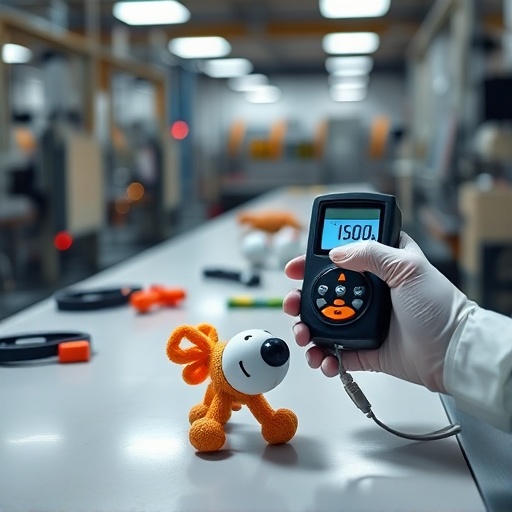
Precision in portioning is a medical requirement. If a device is off by 5% because the auger design is imprecise, you are effectively over- or under-medicating a patient. That is why DDPark focuses on the mechanical fundamentals before we ever touch the software. We utilize advanced aging tests to simulate six months of usage within a few days. This is how we ensure that when you finally deploy these units, they don’t become another piece of “dead stock” in your storage closet.
Finalizing Your Evaluation
Once your sample arrives, ignore the packaging. Put the device through a 72-hour stress test. Fill it with the kibble you use most often in your clinic. Cycle it until the hopper is empty. If it makes a grinding sound, return it. If the app loses connection twice in three days, return it. A smart feeder in a veterinary clinic must be as reliable as a surgical instrument.
You need a partner that understands the difference between a consumer toy and a professional tool. Our DDPark 10+ Years Manufacturing Expertise is built on the realization that if the hardware isn’t rock solid, the software is irrelevant. Your patients depend on your accuracy, and your equipment should be held to that same standard.
Ready to Start Your OEM Order?
Contact our B2B team today for pricing, MOQ, and custom branding options.
Frequently Asked Questions
Q: Why should a veterinary clinic conduct stress tests on smart feeders before ordering?
A: Veterinary environments demand high reliability for patient care. Testing helps identify potential hardware failures, such as motor overheating or sensor inaccuracies, preventing the risks associated with dead stock or device malfunction during critical care.
Q: Can DDPark customize the software for our clinic’s specific needs?
A: Yes, DDPark offers full APP customization. Whether you need specific diagnostic reporting or integration with clinic management systems, we can tailor the software to fit your professional workflow.
Q: What is the benefit of requesting a sample before a bulk order?
A: A sample allows you to verify build quality, material safety—such as BPA-free components—and connectivity stability. It is the most effective way to mitigate quality risks and ensure the hardware meets your clinic’s standards.