Did you know that 70% of smart litter box returns are caused by sensor calibration drift rather than mechanical failure? For brands entering the market, the MOQ for smart litter box OEM projects has shifted from rigid, high-volume mandates to flexible, scalable tiers that accommodate startups. You can realistically launch a custom-branded line with as few as 200 to 500 units, provided you prioritize firmware stability over rock-bottom unit pricing. Forget the old-school demand for 5,000-unit runs; today’s competitive edge is found in agility and rapid iteration.
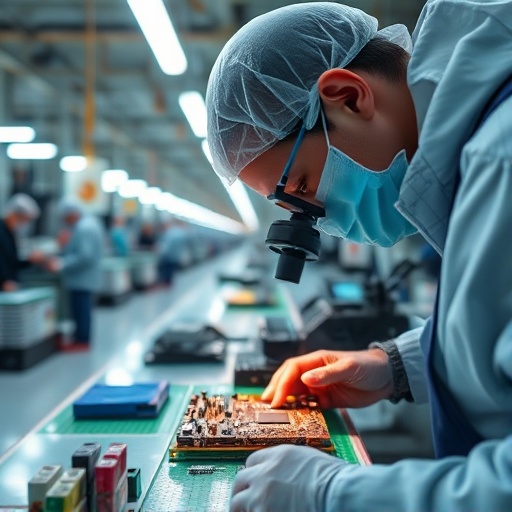
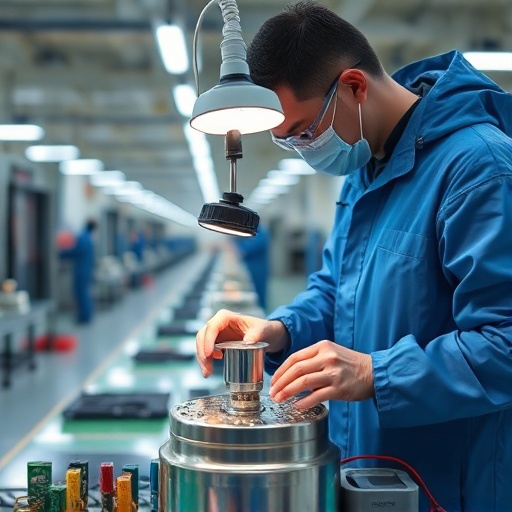
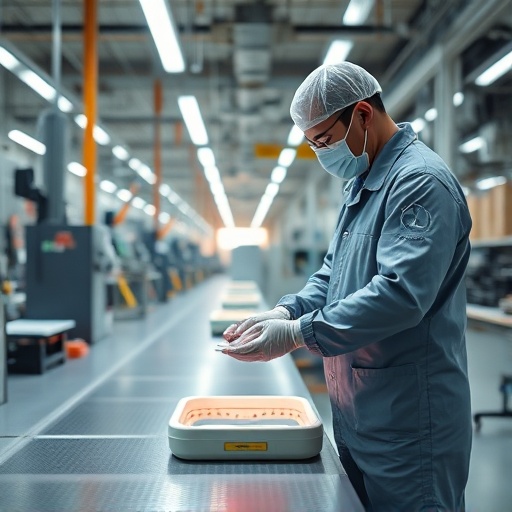
Walking the floor of our facility in the Pearl River Delta, the air carries the faint, sharp scent of ozone from the laser-cutting stations. You hear the rhythmic *clack-hiss* of pneumatic presses sealing the ABS plastic housing. It is a symphony of precision. I watched a technician yesterday spend ten minutes adjusting a single tension spring on a waste-rake assembly. He wasn’t just building a product; he was preventing a future jam that could frustrate a cat owner in London or Los Angeles. That is the reality of hardware—if you cut corners on the mold or the motor, you are just manufacturing future customer service headaches.
Many procurement managers fall into the trap of hunting for the lowest bid. This is a mistake. When you squeeze a factory on the MOQ or the unit price, they rarely cut their own margins; they cut the quality of your capacitors or the durability of your gear train. My contrarian take? You are better off paying a premium for a slightly higher MOQ if it guarantees a mature, field-tested PCB. I have seen too many “affordable” smart boxes hit the shelves only to be bricked by a buggy firmware update three months later. Stable software is the heartbeat of your brand.
Our team at DDPark operates under a zero-defect philosophy. We treat your capital like our own. By maintaining a flexible MOQ for smart litter box OEM projects, we allow your brand to test the waters without drowning in dead stock. I once saw a batch of cartons flagged by a line worker because the pallet stacking was one inch off-center. She didn’t wait for a supervisor; she pulled the entire pallet back to the wrapping station. That level of obsession is what protects your reputation when your customers unbox their units.
If you are ready to scale, consider this checklist before signing your next manufacturing agreement:
- Material Integrity: Always confirm the use of BPA-free, high-impact polymers for surfaces the cat touches.
- Thermal Management: Ensure the motor housing has sufficient ventilation to prevent overheating during 24/7 operation.
- OTA Capability: Your firmware must support remote Over-The-Air updates, or you are dead in the water.
- Component Transparency: Ask for the specific brand of infrared sensors used; if the factory can’t tell you, walk away.
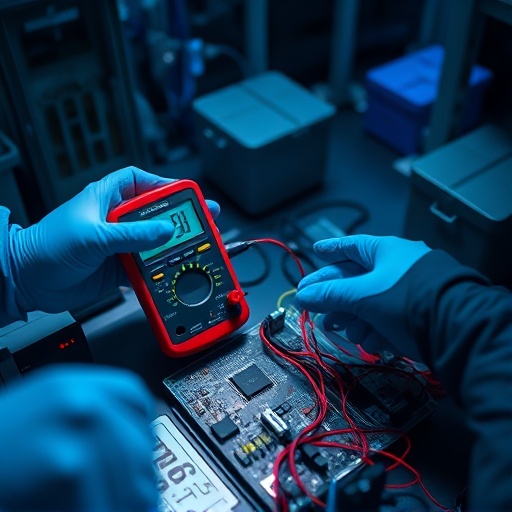
- Aging Tests: Every unit should undergo a 24-hour continuous cycle test before it ever sees a shipping container.
- Golden Sample: Never skip the final physical sign-off; that sample is your only insurance policy.
- Compliance Mapping: Verify that the electronics meet the specific regulatory standards of your target market (FCC for the US, CE for Europe).
Pet tech is not a race to the bottom. It is a race to build a product that actually works when the owner is at work. I personally believe the next wave of successful pet tech will be defined by “invisible” reliability—products that don’t need constant app resets or manual intervention. If your manufacturer is focused solely on how fast they can push units out the door, they aren’t your partner; they are a liability.
When you look at our DDPark Smart Pet Product Catalog, you will see the results of this focus. We build for the long haul, not just for the initial sale. Whether you are scaling a startup or expanding an established pet brand, our DDPark 10+ Years Manufacturing Expertise provides the bedrock you need. Stop gambling on low-quality, high-risk hardware. Request a Free OEM Quote from DDPark and let’s discuss how we can build a product that actually stays in the home.
Frequently Asked Questions
What is the typical lead time for an OEM smart litter box order?
After your golden sample is approved, production cycles usually fall between 30 and 45 days. This accounts for thorough aging tests and your specific packaging requirements.
Can DDPark handle FBA prep for Amazon sellers?
We do this every day. We handle everything from FNSKU labeling to master carton reinforcement, ensuring your product is shelf-ready the moment it hits the Amazon warehouse floor.
Work with DDPark
Experience excellence in manufacturing with our low-noise motor system, food-grade BPA-free materials, rigorous aging tests, and custom logo and packaging solutions.
Ready to Start Your OEM Order?
Contact our B2B team today for pricing, MOQ, and custom branding options.