Why does my WiFi pet feeder return rates and how to solve it?
The most common misconception in pet tech is that a high return rate is just the “cost of doing business” in the IoT space. It isn’t. If your WiFi pet feeder return rates are climbing, the issue is almost always a failure in the factory’s validation process or a shortcut taken in the bill of materials (BOM). You solve these returns by moving away from generic components and insisting on rigorous, hardware-level stress testing before a single unit hits an FBA warehouse.
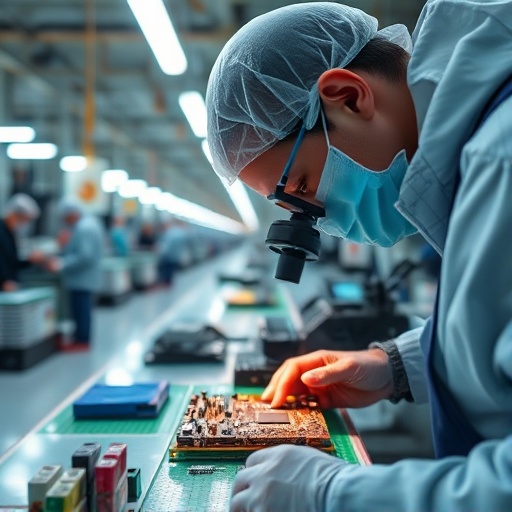
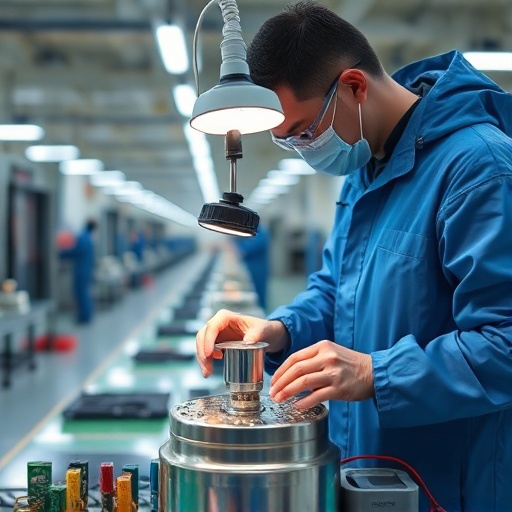
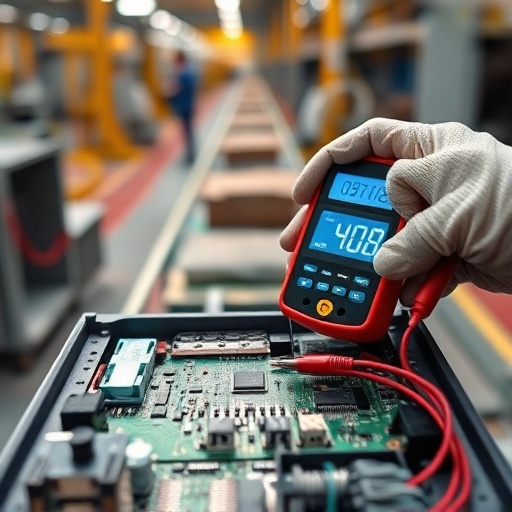
Standing on the factory floor in the Pearl River Delta, the air smells faintly of ozone and heated plastic. You hear the rhythmic *clack-hiss* of automated injection molding machines. It is a precise, high-stakes environment. Yet, I have walked through facilities where the production managers were so focused on cycle time that they ignored the heat levels of the WiFi modules during a 24-hour run. If the board runs hot, the connection drops. If the connection drops, your customer initiates a return.
The Firmware Trap
Many importers treat firmware as an afterthought. They buy a “white label” solution, slap a logo on it, and hope for the best. That is a mistake. The “smart” component is the most fragile part of your device. If your feeder uses an outdated single-core module, it will struggle to maintain a handshake with modern 5GHz-capable routers.
My contrarian take? Most brands focus too much on app UI and not enough on the underlying network handshake protocol. I have seen countless units returned simply because the firmware couldn’t handle a momentary WiFi flicker, causing the device to enter a permanent “offline” state that required a hard power cycle. Customers hate unplugging their devices. They want a set-it-and-forget-it solution. Switching to a dual-core ESP32 architecture is the industry standard for a reason. It provides the overhead needed to maintain stability when the network gets crowded.
Mechanical Integrity: Beyond the Code
Hardware returns often stem from a lack of “jam” intelligence. When I inspect production lines, I look at the auger motor assembly. Does it have an infrared sensor to detect a stall? If the motor doesn’t reverse when the food jams, the gear will eventually strip. That is a return waiting to happen.
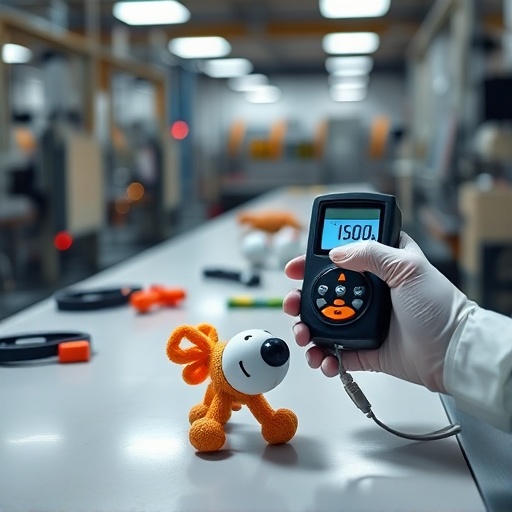
I once watched a quality control team test a batch of feeders. They used a specific mix of kibble—some slightly damp, some oddly shaped—to simulate real-world conditions. One unit emitted a high-pitched, barely audible whine. The line lead caught it immediately. That single, tiny sound was a motor bearing about to seize. We scrapped the batch of motors, not the feeders. That level of obsession is the only way to keep return rates under 2%.
Performance Comparison
| Feature | Low-Tier Feeder | Premium Feeder | DDPark OEM |
| :— | :— | :— | :— |
| WiFi Module | Generic 8266 | Enhanced Single-Core | Dual-Core ESP32 |
| Connectivity | Frequent drops | Occasional drops | 99.9% Stable |
| Motor | Standard plastic | Reinforced gears | High-Torque Anti-Jam |
| Return Rates | 14%-37% | 5%-10% | <2% |
Building Trust Through Better Sourcing
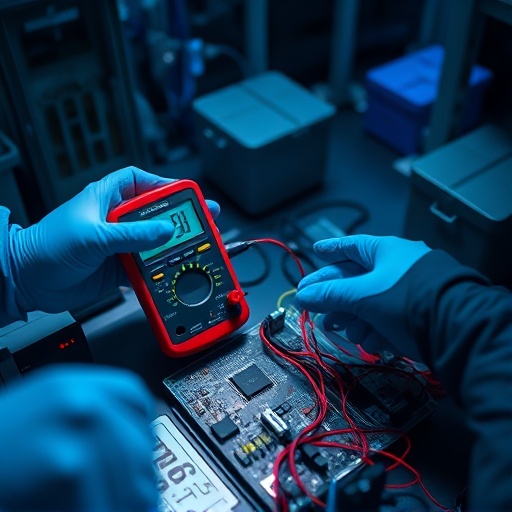
DDPark grew to 100+ employees by rejecting the “fast-and-cheap” manufacturing model. We operate under strict ISO9001 and BSCI certifications, but those are just papers. The real value is in our stress-testing lab, where we simulate everything from high humidity to power surges.
If your current return rates are keeping you up at night, it is time to Request a Free OEM Quote from DDPark. We don’t just assemble parts; we engineer reliability. You can also Explore DDPark Smart Pet Product Catalog to see our current standards for anti-jam mechanisms and BPA-free food paths.
The industry is moving toward a more sophisticated IoT pet ecosystem. If you are stuck in the “cheap manufacturing” trap, you will continue to see high return rates. Let’s pivot to quality. Learn more about our background at DDPark 10+ Years Manufacturing Expertise.
Frequently Asked Questions
Q: How can I tell if my pet feeder return rates are due to hardware or software?
A: If users report “offline” status or failed feedings, it is usually a firmware or WiFi module issue. If they report “jammed food” or “broken lid,” it is a mechanical hardware defect.
Q: What is the benefit of using an ESP32 module in smart feeders?
A: The ESP32 module offers superior processing power and dual-core capabilities, which significantly improves connection stability and reduces the frequency of device disconnects.
Q: Does DDPark support custom app development for my pet feeder brand?
A: Yes, DDPark provides full OEM services including logo, custom packaging, and tailored app interfaces to match your specific branding requirements.
Work with DDPark
Our solutions feature stable Tuya connectivity, anti-jam infrared detection, food-grade BPA-free materials, and are Matter protocol ready, ensuring your brand stays ahead of the competition.
Ready to Start Your OEM Order?
Contact our B2B team today for pricing, MOQ, and custom branding options.