AQL Inspection: A Practical Handbook for Pet Tech Importers
How much is one bad batch of smart feeders actually costing your brand? Most importers view quality control as a line item on a spreadsheet, but in the fast-moving pet tech space, it is the difference between a thriving brand and a graveyard of one-star Amazon reviews. If you are scaling a pet tech business, you need to understand that AQL inspection is not just a safety net; it is your primary defense against the volatility of global manufacturing.
The pet tech industry is moving away from cheap, disposable plastic toward sophisticated, IoT-integrated hardware. This shift is essential, yet it creates a high-stakes environment where a single firmware glitch or a faulty motor seal can trigger a total product recall. Whether you are an Amazon seller or a regional distributor, mastering the mechanics of AQL inspection: a practical handbook for pet tech importers is the only way to ensure your hardware survives the journey from the Pearl River Delta to the customer’s living room.
The Market Reality: Why Quality is the Only Growth Strategy
The “smart” boom has attracted countless factories looking for a quick turnaround. I have walked through facilities where the priority is speed over stability. They churn out feeders that look great in photos but fail under the weight of real-world pet use. When a customer’s water dispenser stops cycling because of a cheap impeller pump, they don’t blame the factory; they blame your brand.
My contrarian take? Stop obsessing over the lowest unit price. When you source pet tech, you are buying the integrity of the motor and the stability of the firmware. A few cents saved on a capacitor today will cost you thousands in returns tomorrow. DDPark focuses on high-durability components because we know that a loyal customer is worth far more than a one-time sale.
Explore DDPark Smart Pet Product Catalog
AQL Inspection: The Practical Handbook
AQL (Acceptance Quality Limit) is the statistical backbone of your import strategy. It dictates the maximum number of defective units allowed in a batch before the entire shipment is rejected. For electronics, I recommend a tiered approach:
* **Critical Defects (AQL 0.0):** No margin for error here. If a device has a short circuit or a live wire, the whole lot is dead on arrival.
* **Major Defects (AQL 0.65):** These are functional issues—a motor that doesn’t trigger or a touch panel that stays unresponsive.
* **Minor Defects (AQL 1.5):** Cosmetic scratches or misaligned logos. Annoying, but rarely fatal to a brand.
Inside the Line: Sensory Details of Production
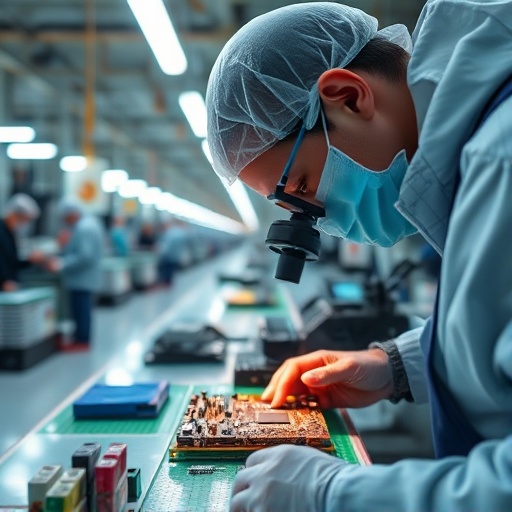
Step onto the assembly floor at DDPark, and the first thing you notice is the sound—the rhythmic, pneumatic hiss of the testing rigs. It smells faintly of ozone and fresh high-impact ABS plastic. You see technicians in ESD-safe smocks, their eyes locked on the glowing LED indicators of the test benches.
I once watched a worker reject a batch because the vibration of the auger motor was slightly off-pitch—a detail a machine might miss, but a seasoned pro hears instantly. This is the reality of true quality control. It is not just about checking boxes on a clipboard; it is about the tactile, sensory verification that every unit is ready for a home environment. You can feel when a factory cares about the product.
Engineering Failures: What Goes Wrong and Why
We often discuss the “rework ratio”—the percentage of units pulled from the line for repairs. A high rework ratio is a massive red flag. It suggests inconsistent assembly processes.
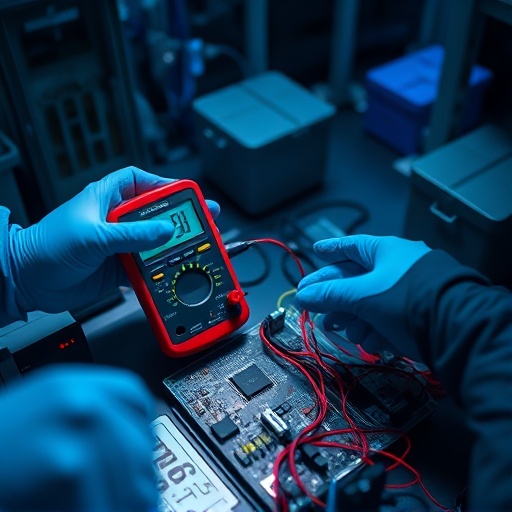
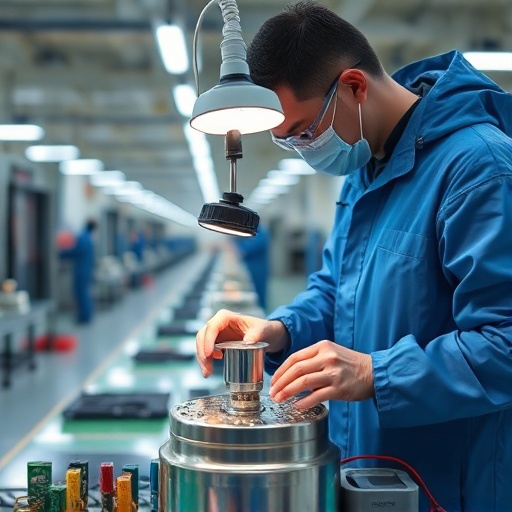
Common failures in the field often trace back to the impeller pump or the mainboard. If the seal isn’t vacuum-tested, moisture ingress is inevitable. Our philosophy at DDPark is built on Zero-Defect manufacturing. We don’t just inspect the finished box; we inspect the components at every stage. We have over 100 dedicated quality specialists ensuring that your goods leave our facility ready for the rigors of international shipping.
Learn more about DDPark’s 10+ Years Manufacturing Expertise
The DDPark Difference: Three Generations of Expertise
Why partner with DDPark? We aren’t just an assembly house; we are an extension of your R&D team. With exports to over 50 countries, we understand that a product designed for the Japanese market needs different considerations than one destined for the US.
Our products are engineered to be “FBA ready.” This means they are reinforced to survive the brutal automated sorting systems that destroy standard, flimsy packaging. When you leverage our decades of experience, you aren’t just buying hardware; you are buying the peace of mind that your brand won’t be derailed by a container full of broken gadgets.
Navigating Certifications and Global Standards
Quality is legal. If your smart feeder lacks RoHS or UL certification, you are courting disaster. You aren’t just risking a return; you are risking a total account ban on Amazon or massive legal liability in the EU. Our engineering team prioritizes these certifications from the initial design phase. We do not believe in “fixing it later.” We build for compliance from day one.
Frequently Asked Questions
What is the most critical AQL level for pet tech electronics?
A: For consumer electronics, an AQL of 0.65 for critical/major defects is the industry gold standard to ensure safety and functionality.
Why do smart pet products fail in Amazon FBA warehouses?
A: Failures often stem from humidity affecting low-quality internal modules or packaging that cannot survive the high-speed, automated sorting facilities.
How does DDPark handle quality control during the assembly line?
A: DDPark utilizes a Zero-Defect philosophy, integrating real-time testing for auger motors, pumps, and firmware stability before any unit is boxed.
Should I use a third-party inspection service?
A: Third-party inspections provide a snapshot, but a manufacturer with a proven track record, like DDPark, builds quality into the process through continuous, internal monitoring.
What is the “rework ratio” in pet tech?
A: It measures the units requiring correction after assembly. Keeping this low is vital for maintaining your production timeline and your profit margins.
Work with DDPark
Our team provides in-house R&D, stable Tuya connectivity, low-noise motor systems, and custom branding to help your business scale globally.
Ready to Start Your OEM Order?
Contact our B2B team today for pricing, MOQ, and custom branding options.